
Northeast Europe (2008–2019 CE): Resilience Amid Economic …
Years: 2008 - 2019
Northeast Europe (2008–2019 CE): Resilience Amid Economic Challenges, Geopolitical Tensions, and Social Progress
Between 2008 and 2019 CE, Northeast Europe navigated significant global economic crises, intensified geopolitical tensions stemming from Russia’s assertiveness, profound societal transformations, and sustained regional cooperation. The period saw the Baltic republics (Estonia, Latvia, and Lithuania) firmly embed themselves within the European Union and NATO, while the Nordic states (Denmark, Finland, Norway, and Sweden) continued their traditions of social progress, environmental leadership, and technological innovation.
Global Financial Crisis and Economic Recovery
The global financial crisis beginning in 2008 deeply impacted Northeast Europe, particularly the Baltic republics. Estonia, Latvia, and Lithuania endured severe recessions due to vulnerabilities in real estate, banking sectors, and excessive reliance on external capital. Latvia, hit especially hard, required an emergency financial package from the International Monetary Fund (IMF) and European partners in 2008–2009.
However, these nations showed extraordinary resilience. Estonia rapidly stabilized, joining the Eurozone in 2011, followed by Latvia in 2014 and Lithuania in 2015. Rigorous austerity measures, structural reforms, and prudent fiscal policies facilitated rapid recovery, with all three countries ultimately achieving robust growth, reduced unemployment, and improved competitiveness by 2019.
Geopolitical Tensions: Russia’s Renewed Assertiveness
Northeast Europe’s geopolitical landscape was reshaped dramatically following Russia’s annexation of Crimea in 2014 and military intervention in Ukraine. Baltic states, sharing borders and historical experiences of Soviet rule, faced heightened security concerns. These developments led to significant NATO reinforcement in the region:
-
The Enhanced Forward Presence (EFP) was established in 2017, deploying multinational battlegroups to Estonia (led by the UK), Latvia (Canada-led), and Lithuania (Germany-led), signaling NATO’s firm commitment to collective defense.
-
Increased military spending in Baltic countries further enhanced their defense capabilities and preparedness.
Simultaneously, Sweden and Finland—traditionally non-aligned—strengthened defense cooperation with NATO, deepened bilateral defense ties, and increased defense spending in response to perceived Russian threats, while still maintaining formal military non-alignment.
Finland: Stability, Innovation, and International Influence
Under Presidents Tarja Halonen (until 2012) and Sauli Niinistö (from 2012), Finland remained politically stable, economically competitive, and internationally respected. Though hit by the economic crisis, Finland leveraged technological innovation and educational excellence to recover. The Finnish model of comprehensive welfare, strong governance, high educational standards, and sustainability remained internationally admired.
Sweden: Social Progress and Economic Resilience Amid Challenges
Sweden, led by Prime Ministers Fredrik Reinfeldt (until 2014) and Stefan Löfven (from 2014), balanced economic liberalization and social welfare expansion amid immigration debates and security concerns. Sweden experienced sustained economic growth, robust employment, and technological innovation, maintaining global leadership in digital technology, automotive industry, green energy, and progressive social policies. However, immigration-related tensions, notably following the 2015 European refugee crisis, prompted domestic political shifts and intensified debates on integration policies and social cohesion.
Denmark: Economic Stability, Social Policy, and Immigration Debates
Under Prime Ministers Anders Fogh Rasmussen (until 2009), Lars Løkke Rasmussen (2009–2011, 2015–2019), and Helle Thorning-Schmidt (2011–2015), Denmark navigated economic recovery effectively, balancing strong social welfare policies with fiscal responsibility. Denmark emerged as a global leader in renewable energy, environmental sustainability, and innovative urban development. However, increasing immigration debates significantly shaped Danish domestic politics, leading to stricter immigration policies, vigorous public discourse, and intensified political polarization.
Norway: Continued Prosperity and Global Leadership
Norway, under Prime Ministers Jens Stoltenberg (until 2013) and Erna Solberg (from 2013), maintained exceptional economic prosperity from prudent management of its vast petroleum resources. Norway’s sovereign wealth fund became the largest globally, securing long-term financial stability and extensive social welfare benefits, including high-quality healthcare, education, pensions, and environmental initiatives. Despite security concerns and heightened geopolitical tensions, Norway’s economic strength, diplomatic influence, and humanitarian leadership continued to expand.
Baltic States: Societal Progress, Digital Innovation, and European Integration
Estonia, Latvia, and Lithuania flourished economically and politically within the EU framework despite economic challenges and security concerns. Estonia reinforced its digital leadership, exemplified by pioneering e-governance, cybersecurity innovation, digital citizenship programs (e-Residency), and startup-friendly economic policies.
Latvia and Lithuania similarly embraced digital transformations, economic liberalization, and substantial societal reforms, modernizing infrastructure and improving standards of living. Lithuania increasingly positioned itself as a regional innovation hub, especially in fintech, science, technology, and logistics.
Environmental Leadership and Sustainability
Northeast Europe maintained its global environmental leadership throughout this period:
-
Denmark became a world leader in wind energy, committing to substantial carbon-neutral targets.
-
Sweden and Finland continued aggressive climate action policies, investments in renewable energy, sustainable forestry, and cutting-edge environmental technologies.
-
Norway championed sustainable resource management, maritime conservation, and ecological stewardship.
-
Baltic countries significantly improved environmental governance and sustainability initiatives, aligning with stringent EU environmental standards.
Education, Technology, and Innovation
The region reaffirmed global reputations for educational excellence, technological innovation, and research investment:
-
Finland maintained global leadership in education rankings (PISA tests), emphasizing teacher quality, equity, innovation, and lifelong learning.
-
Sweden and Denmark excelled in innovation, digital entrepreneurship, biotechnology, pharmaceuticals, and automotive industries.
-
The Baltic states enhanced technological infrastructures, educational reforms, and innovative ecosystems, attracting significant startup investment and international recognition.
Societal Transformations and Cultural Flourishing
Throughout the period, Northeast Europe experienced profound societal transformations:
-
Increasing advocacy for gender equality, LGBTQ+ rights, indigenous Sámi rights, and immigrant integration shaped political discourse and social policies in Nordic states.
-
Baltic nations embraced cultural renaissance, significantly investing in cultural heritage, arts, media diversity, and creative industries.
Regional Cooperation: Baltic–Nordic Unity
Cooperation between Baltic and Nordic countries intensified through formal regional mechanisms, notably the Nordic–Baltic Eight (NB8). Regular diplomatic coordination, joint infrastructure projects, cultural exchanges, environmental collaboration, and shared security frameworks reinforced regional cohesion, mutual understanding, and collective resilience in response to geopolitical tensions.
Legacy of the Era
The era 2008–2019 CE profoundly defined Northeast Europe’s contemporary identity, resilience, geopolitical orientation, and socioeconomic dynamism. Through crisis recovery, strategic responses to geopolitical tensions, technological innovation, environmental leadership, and enhanced regional cooperation, Northeast Europe reaffirmed its global standing as an exemplar of democratic governance, social equity, economic sustainability, and regional integration. The societal achievements and transformative developments during these pivotal years established strong foundations for continued regional prosperity, democratic stability, and enduring global influence into the twenty-first century.
People
- Anders Fogh Rasmussen
- Erna Solberg
- Fredrik Reinfeldt
- Helle Thorning-Schmidt
- Jens Stoltenberg
- Lars Løkke Rasmussen
- Poul Nyrup Rasmussen
- Sauli Niinistö
- Stefan Löfven
- Tarja Halonen
Groups
- Sami people
- Denmark, Kingdom of
- Sweden, (third) Kingdom of
- Norway
- Finland, Republic of
- Iceland (Icelandic Republic)
- United Nations, The (U.N.)
- IMF (International Monetary Fund)
- Kaliningrad Oblast
- NATO (North Atlantic Treaty Organization)
- Nordic Council
- European Free Trade Association (EFTA)
- Nokia Corporation
- Estonia, Republic of
- Russian Federation
- Lithuania, Republic of
- Latvia, Republic of
- EU (European Union)
- European Economic Area (EEA)
- Eurozone
- Enhanced Forward Presence (EFP)
Commodoties
- Fish and game
- Grains and produce
- Fuels, lubricants and sealants
- Manufactured goods
- Money
- Electric power
- Pharmaceutical drugs
- Telecommunications
Subjects
- Commerce
- Watercraft
- Engineering
- Labor and Service
- Government
- Scholarship
- Custom and Law
- Technology
- Finance
- political movement
- social movements
Regions
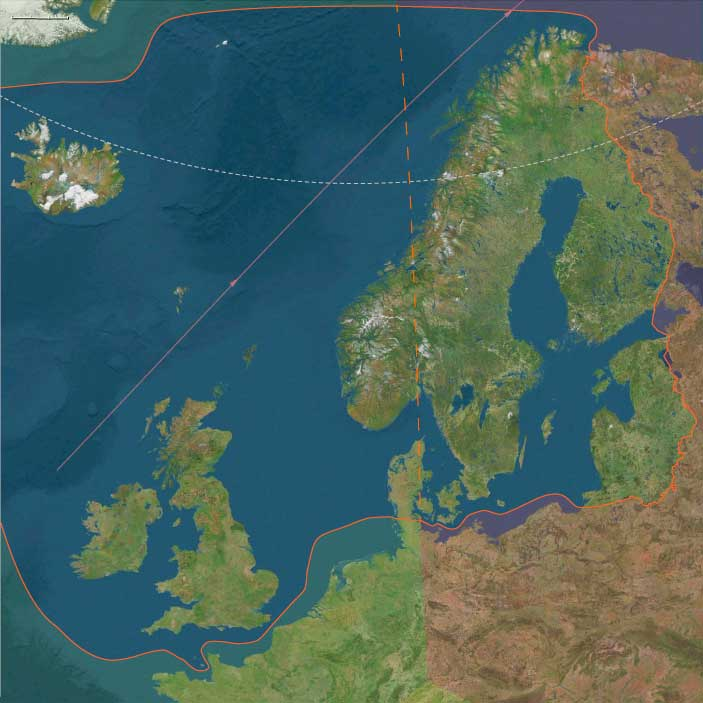
Subregions
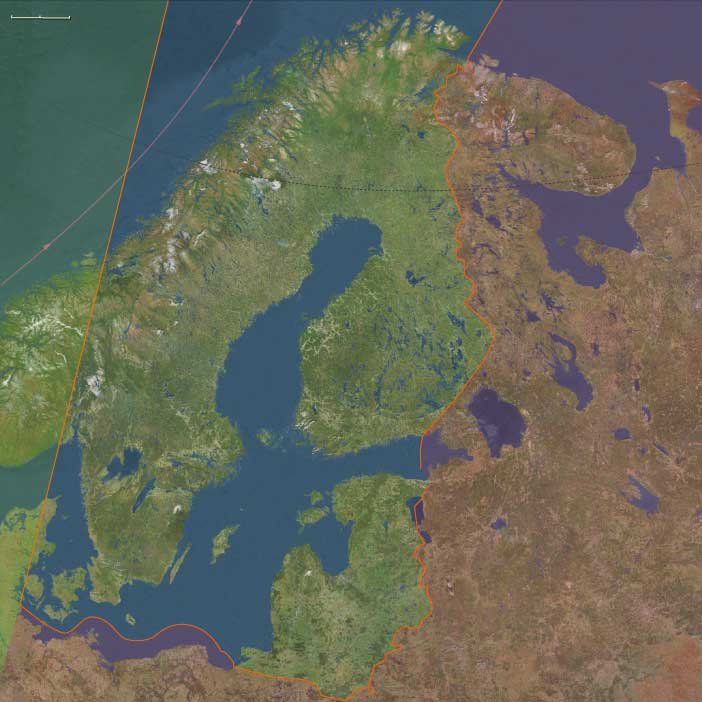
Years: 2008 - 2019
People
- Anders Fogh Rasmussen
- Erna Solberg
- Fredrik Reinfeldt
- Helle Thorning-Schmidt
- Jens Stoltenberg
- Lars Løkke Rasmussen
- Poul Nyrup Rasmussen
- Sauli Niinistö
- Stefan Löfven
- Tarja Halonen
Groups
- Sami people
- Denmark, Kingdom of
- Sweden, (third) Kingdom of
- Norway
- Finland, Republic of
- Iceland (Icelandic Republic)
- United Nations, The (U.N.)
- IMF (International Monetary Fund)
- Kaliningrad Oblast
- NATO (North Atlantic Treaty Organization)
- Nordic Council
- European Free Trade Association (EFTA)
- Nokia Corporation
- Estonia, Republic of
- Russian Federation
- Lithuania, Republic of
- Latvia, Republic of
- EU (European Union)
- European Economic Area (EEA)
- Eurozone
- Enhanced Forward Presence (EFP)
Commodoties
- Fish and game
- Grains and produce
- Fuels, lubricants and sealants
- Manufactured goods
- Money
- Electric power
- Pharmaceutical drugs
- Telecommunications
Subjects
- Commerce
- Watercraft
- Engineering
- Labor and Service
- Government
- Scholarship
- Custom and Law
- Technology
- Finance
- political movement
- social movements
Regions
Subregions