
Northeast Europe (1996–2007 CE): Baltic Integration, Nordic …
Years: 1996 - 2007
Northeast Europe (1996–2007 CE): Baltic Integration, Nordic Prosperity, and European Alignment
Between 1996 and 2007 CE, Northeast Europe underwent remarkable transitions characterized by the successful integration of Estonia, Latvia, and Lithuania into European institutions, continued socioeconomic prosperity across the Nordic states (Denmark, Norway, Sweden, Finland), and intensified regional cooperation. These years solidified democracy, accelerated economic growth, and established the region as an influential model of social equity, technological innovation, environmental leadership, and peaceful diplomatic cooperation.
Baltic Integration into European and Atlantic Institutions
The Baltic republics made historic strides toward integration with Western institutions during this period. Following significant democratic and economic reforms, Estonia, Latvia, and Lithuania achieved their most critical goals in 2004:
-
All three countries joined the European Union on May 1, 2004, marking their definitive alignment with Western European economic and political structures.
-
Simultaneously, they joined NATO on March 29, 2004, ensuring collective security guarantees and a clear break from their Soviet past.
These milestones represented a decisive geopolitical shift. The integration was underpinned by democratic consolidation, economic liberalization, extensive judicial and administrative reforms, and strong international support from Nordic and Western partners.
Estonia’s Rapid Economic and Technological Modernization
Estonia distinguished itself by rapid economic growth, significant digital advancements, and innovative governance reforms. Under Presidents Lennart Meri (1992–2001) and Toomas Hendrik Ilves (from 2006), Estonia became a global leader in digital governance, introducing groundbreaking initiatives such as e-governance, e-residency, digital voting, and pioneering cybersecurity measures. Economic liberalization policies promoted robust growth, attracting foreign investment and establishing Estonia as the most dynamic economy in the Baltic region.
Latvia and Lithuania’s Democratic Consolidation and Economic Growth
Latvia and Lithuania pursued steady democratic development and economic growth, albeit facing more complex socioeconomic challenges compared to Estonia. Both countries rapidly modernized their economies through extensive privatization, foreign investment, and European integration. Lithuania emerged as a significant regional advocate for democratic values, notably under Presidents Algirdas Brazauskas (1993–1998) and Valdas Adamkus (1998–2003, 2004–2009). Latvia, under Presidents Guntis Ulmanis (1993–1999) and Vaira Vīķe-Freiberga (1999–2007), successfully addressed complex issues related to minority rights, citizenship policies, and economic disparities, ultimately enhancing domestic cohesion and international credibility.
Finland: EU Integration, Economic Growth, and Technological Innovation
Finland rapidly solidified its place within the European Union following its 1995 accession. Under President Martti Ahtisaari (1994–2000) and President Tarja Halonen (2000–2012), Finland maintained stable economic growth, exemplary governance, and profound social welfare policies. The global success of the technology giant Nokia epitomized Finnish innovation, establishing Finland as a worldwide leader in telecommunications, technology development, and research excellence. Finland's education system became internationally recognized as one of the world's finest, reinforcing its global prestige in innovation and social policy.
Denmark: EU Integration, Welfare Stability, and Environmental Leadership
Denmark, under Prime Minister Poul Nyrup Rasmussen (1993–2001) and Prime Minister Anders Fogh Rasmussen (2001–2009), experienced continued economic stability, strong growth, and strengthened European Union participation, albeit retaining its selective opt-outs. Denmark reinforced its welfare-state model, emphasizing social equity, gender equality, comprehensive healthcare, and education. Danish leadership in renewable energy—particularly wind power—gained global recognition, making Denmark a pioneer in sustainable economic and environmental policy.
Norway: Wealth, Social Prosperity, and Continued European Caution
Norway, under Prime Ministers Gro Harlem Brundtland (until 1996), Kjell Magne Bondevik (1997–2000, 2001–2005), and Jens Stoltenberg (2000–2001, from 2005), maintained exceptional economic prosperity driven by prudent management of its extensive oil and gas reserves. Norway's wealth funded a progressive welfare state with universal healthcare, education, pensions, environmental sustainability initiatives, and strong labor rights, securing its position as one of the world's wealthiest and most equitable societies.
Despite intense domestic debate, Norway continued its policy of European ambivalence, refraining from joining the European Union. Its participation in the European Economic Area (EEA) ensured access to European markets while preserving political independence, reflecting cautious national sentiment toward European integration.
Sweden: Economic Growth, European Alignment, and Social Innovation
Sweden, under Prime Ministers Göran Persson (1996–2006) and Fredrik Reinfeldt (from 2006), experienced sustained economic growth, further expanding its renowned welfare system, strengthening social protections, and achieving international acclaim for education, healthcare, and gender equality. Sweden deepened its EU integration since joining in 1995, balancing European commitments with distinctive social-democratic traditions.
Sweden emerged as a global leader in innovation, sustainability, and corporate responsibility, producing internationally recognized companies in technology, engineering, pharmaceuticals, automotive industries, and telecommunications.
Technological Innovation and Educational Excellence
Throughout this era, the Nordic and Baltic states demonstrated extraordinary commitment to education and technological advancement. Finland and Estonia notably became global exemplars of educational achievement and digital innovation. Nordic educational institutions received worldwide acclaim for high standards, inclusivity, creativity, and alignment with cutting-edge research and industry needs.
Environmental Sustainability and Global Leadership
Northeast Europe continued its leadership in environmental policy, sustainable development, and climate awareness. Denmark and Sweden gained global recognition for pioneering renewable energy projects, notably wind and solar power. Norway championed sustainable resource management, maritime conservation, and ecological preservation. Finland maintained environmental integration into all policymaking. The Baltic states rapidly adopted European environmental standards, transforming legacy Soviet-era pollution problems and establishing new ecological benchmarks.
Cultural Flourishing and Regional Cooperation
The Baltic states vigorously revived and promoted national languages, traditions, and cultural heritage, celebrating their post-Soviet cultural renaissance. Nordic nations expanded advocacy for gender equality, human rights, indigenous Sámi rights, LGBTQ+ rights, international peacekeeping, and global humanitarianism.
Regional collaboration between Baltic and Nordic countries intensified substantially, particularly through institutions such as the Nordic-Baltic Eight (NB8), established formally in 2000, promoting shared values, regional cooperation, democratic development, and joint diplomatic efforts.
Legacy of the Era
The era 1996–2007 CE definitively shaped Northeast Europe's contemporary identity and geopolitical orientation. Estonia, Latvia, and Lithuania completed their transitions from Soviet satellite states to fully integrated European and Atlantic democracies, significantly redefining their regional and global positions. Finland, Denmark, Sweden, and Norway solidified their statuses as prosperous, technologically advanced societies renowned for social equality, innovation, environmental stewardship, and diplomatic leadership.
These years firmly positioned Northeast Europe as a global exemplar of democratic governance, economic modernization, regional integration, social justice, technological innovation, and environmental leadership, laying enduring foundations for continued peace, prosperity, and regional unity into the twenty-first century.
People
- Algirdas Brazauskas
- Anders Fogh Rasmussen
- Fredrik Reinfeldt
- Gro Brundtland
- Guntis Ulmanis
- Göran Persson
- Jens Stoltenberg
- Kjell Magne Bondevik
- Lennart Meri
- Martti Ahtisaari
- Poul Nyrup Rasmussen
- Tarja Halonen
- Toomas Hendrik Ilves
- Vaira Vīķe-Freiberga
- Valdas Adamkus
Groups
- Sami people
- Denmark, Kingdom of
- Sweden, (third) Kingdom of
- Norway
- Russian Soviet Federated Socialist Republic
- Finland, Republic of
- Iceland (Icelandic Republic)
- United Nations, The (U.N.)
- Kaliningrad Oblast
- NATO (North Atlantic Treaty Organization)
- Nordic Council
- European Free Trade Association (EFTA)
- Nokia Corporation
- Latvia, Republic of
- Lithuania, Republic of
- Estonia, Republic of
- Russian Federation
- EU (European Union)
- European Economic Area (EEA)
Topics
Commodoties
- Fish and game
- Grains and produce
- Fuels, lubricants and sealants
- Manufactured goods
- Electric power
- Pharmaceutical drugs
- Telecommunications
Subjects
- Commerce
- Watercraft
- Engineering
- Labor and Service
- Government
- Scholarship
- Custom and Law
- Technology
- political movement
- social movements
Regions
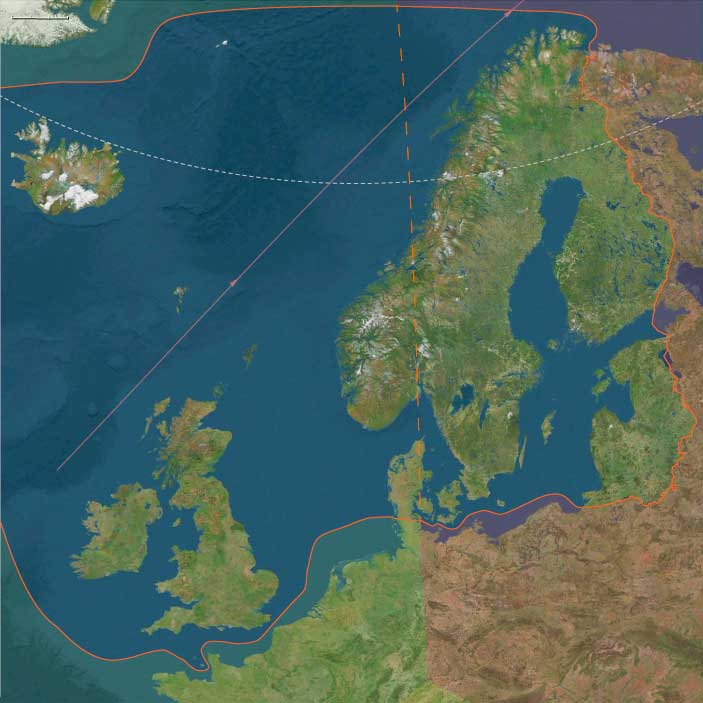
Subregions
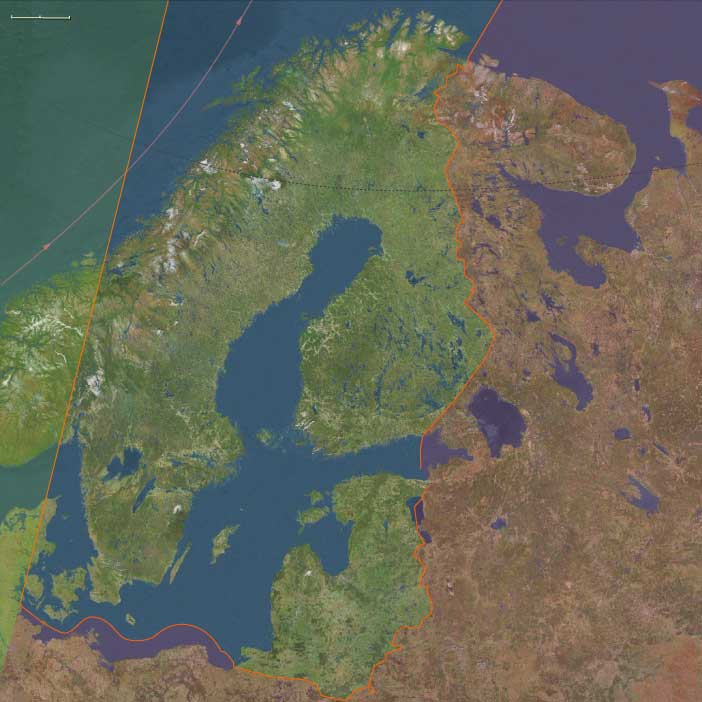
Related Events
Showing 10 events out of 764 total
Years: 1996 - 2007
People
- Algirdas Brazauskas
- Anders Fogh Rasmussen
- Fredrik Reinfeldt
- Gro Brundtland
- Guntis Ulmanis
- Göran Persson
- Jens Stoltenberg
- Kjell Magne Bondevik
- Lennart Meri
- Martti Ahtisaari
- Poul Nyrup Rasmussen
- Tarja Halonen
- Toomas Hendrik Ilves
- Vaira Vīķe-Freiberga
- Valdas Adamkus
Groups
- Sami people
- Denmark, Kingdom of
- Sweden, (third) Kingdom of
- Norway
- Russian Soviet Federated Socialist Republic
- Finland, Republic of
- Iceland (Icelandic Republic)
- United Nations, The (U.N.)
- Kaliningrad Oblast
- NATO (North Atlantic Treaty Organization)
- Nordic Council
- European Free Trade Association (EFTA)
- Nokia Corporation
- Latvia, Republic of
- Lithuania, Republic of
- Estonia, Republic of
- Russian Federation
- EU (European Union)
- European Economic Area (EEA)
Topics
Commodoties
- Fish and game
- Grains and produce
- Fuels, lubricants and sealants
- Manufactured goods
- Electric power
- Pharmaceutical drugs
- Telecommunications
Subjects
- Commerce
- Watercraft
- Engineering
- Labor and Service
- Government
- Scholarship
- Custom and Law
- Technology
- political movement
- social movements
Regions
Subregions