
Northeast Europe (1984–1995 CE): The End of …
Years: 1984 - 1995
Northeast Europe (1984–1995 CE): The End of the Cold War, Baltic Independence, and Nordic Integration
Between 1984 and 1995 CE, Northeast Europe underwent momentous transformations, highlighted by the end of the Cold War, the collapse of Soviet authority, Baltic independence movements, and deepened integration among the prosperous Nordic nations—Denmark, Norway, Sweden, and Finland. This era fundamentally reshaped regional geopolitics, economics, and cultural dynamics, creating new alignments and opportunities for the future.
Finland: Diplomatic Transition and European Integration
Finland transitioned from its Cold War-era neutrality to deeper European integration during this period. Under Presidents Mauno Koivisto (1982–1994) and Martti Ahtisaari (from 1994), Finland skillfully navigated the collapse of the Soviet Union, rapidly reorienting its foreign policy westward while preserving stable relations with Russia. Finland decisively joined the European Union in 1995, marking a historic shift from its cautious Cold War neutrality.
Economically, Finland experienced notable growth, particularly in telecommunications, spearheaded by companies like Nokia, which emerged as a global leader in mobile technology. The welfare state remained robust, offering universal healthcare, quality education, and comprehensive social security, sustaining Finland’s high living standards and social equality.
Baltic Republics: National Awakening and Independence
The Baltic republics—Estonia, Latvia, and Lithuania—witnessed extraordinary transformations. Spurred by Soviet leader Mikhail Gorbachev’s policies of glasnost (openness) and perestroika (restructuring), nationalist movements gained momentum in the late 1980s.
In 1988, the Baltic Singing Revolution—peaceful, mass demonstrations employing folk songs and cultural symbolism—emboldened resistance to Soviet rule. The Baltic Way (1989), a remarkable human chain of two million Estonians, Latvians, and Lithuanians linking hands across the three republics, signaled an unprecedented demand for independence.
In 1990–1991, amid the collapse of Soviet authority, Lithuania (March 11, 1990), Latvia (August 21, 1991), and Estonia (August 20, 1991) declared independence, quickly achieving international recognition. Soviet military intervention attempts in January 1991 (notably in Vilnius and Riga) failed, reflecting irreversible political shifts. In September 1991, all three states gained formal independence, joined the United Nations, and swiftly began democratic and economic reforms, transitioning from Soviet central planning toward market-oriented economies.
Denmark: Deepened European Integration and Welfare Expansion
Under Prime Minister Poul Schlüter (1982–1993) and subsequently Poul Nyrup Rasmussen (from 1993), Denmark solidified its role within Europe. Though Danish voters rejected the Maastricht Treaty in a 1992 referendum, a revised agreement (Edinburgh Agreement) secured approval in 1993, facilitating Denmark's continued participation in the European Union under specific opt-outs.
Denmark maintained economic prosperity, driven by advanced manufacturing, trade, finance, and innovation, while further strengthening its comprehensive welfare state, enhancing healthcare, education, social services, environmental protection, and gender equality.
Norway: Wealth, Welfare, and European Ambivalence
Norway, under Prime Ministers Kåre Willoch (1981–1986) and Gro Harlem Brundtland (1986–1989, 1990–1996), experienced sustained prosperity due to prudent management of its oil and gas reserves. Robust economic growth allowed further expansion of its welfare state, elevating Norway’s standard of living and social equality to among the world’s highest.
In 1994, Norwegians once again narrowly rejected European Union membership through a referendum, affirming Norway’s longstanding skepticism of European integration and highlighting its emphasis on preserving national sovereignty while engaging economically through agreements such as the European Economic Area (EEA) in 1994.
Sweden: European Integration and Social Innovation
Sweden experienced a crucial political and economic transition under Prime Ministers Olof Palme (until his assassination in 1986), Ingvar Carlsson (1986–1991, 1994–1996), and Carl Bildt (1991–1994). Palme’s assassination shocked Sweden, marking a turning point in Swedish politics and society. Sweden increasingly opened its economy, facing economic restructuring in the early 1990s due to global recession pressures.
Sweden decisively joined the European Union in 1995, signaling a significant shift from its earlier policy of European neutrality. Swedish society continued championing progressive policies in gender equality, human rights, environmental sustainability, and international development aid, reinforcing its global reputation as a progressive social-democratic model.
Economic and Social Transitions in the Baltics
Following independence, Estonia, Latvia, and Lithuania rapidly transitioned toward democratic governance, adopting market economies, privatizing state-owned enterprises, and reorienting trade toward Western Europe. Estonia notably implemented pioneering economic reforms, embracing digital technology and free-market policies.
Despite initial economic hardship, including unemployment and inflation, these reforms laid foundations for significant economic growth and eventual integration into European institutions. Educational and cultural institutions flourished, strongly reviving national languages, cultures, and histories suppressed during Soviet rule.
Technological Innovation, Education, and Global Competitiveness
Throughout the Nordic nations, substantial investments in education and technological infrastructure drove economic growth and global competitiveness. Finland emerged as a global technological leader, notably through Nokia. Sweden excelled in engineering, pharmaceuticals, telecommunications, and automotive sectors. Denmark maintained strength in renewable energy (wind power), biotechnology, agriculture, and innovation-driven industries. Norway diversified its oil-funded economy into advanced technology, shipping, fisheries, and sustainable development.
Environmental Leadership and Sustainable Development
Nordic countries solidified global leadership in environmental sustainability, renewable energy adoption, and ecological innovation. Denmark’s wind-power industry gained international recognition; Norway prioritized sustainable resource management; Sweden and Finland integrated environmental sustainability into policymaking, education, and industry, enhancing their international reputations as pioneers in ecological stewardship and climate awareness.
Nordic Regional Cooperation and Baltic-Nordic Integration
Regional cooperation intensified during this era. The Nordic Council promoted economic, environmental, and cultural collaboration among Denmark, Finland, Norway, Sweden, and Iceland. After independence, the Baltic states quickly sought deeper cooperation with Nordic neighbors, receiving substantial Nordic political support, development aid, technical assistance, and cultural exchanges, significantly facilitating their democratic and economic transitions.
Cultural Flourishing and Social Movements
This period witnessed vigorous cultural and social transformations. Baltic societies reclaimed national cultural identities—reviving traditional music, literature, folklore, and educational reforms. The Nordic countries intensified advocacy for gender equality, LGBTQ+ rights, peace initiatives, indigenous rights (notably Sámi), and global humanitarian efforts.
Legacy of the Era
The period 1984–1995 CE profoundly reshaped Northeast Europe. It marked the peaceful yet dramatic liberation of Estonia, Latvia, and Lithuania from Soviet control, bringing freedom, democratic governance, and market-oriented economies. Finland redefined its geopolitical position through EU membership, shifting decisively westward. Denmark and Sweden deepened their European integration, embracing EU membership while maintaining distinct Nordic welfare traditions. Norway reinforced its unique economic prosperity, emphasizing independence through EEA membership.
This era significantly defined Northeast Europe’s contemporary identity, economic alignment, democratic governance, cultural resilience, and international standing, laying the foundations for continued regional integration, European cooperation, and enduring societal progress into the twenty-first century.
People
- Carl Bildt
- Gro Brundtland
- Ingvar Carlsson
- Kåre Willoch
- Mauno Koivisto
- Mikhail Gorbachev
- Olof Palme
- Poul Nyrup Rasmussen
- Poul Schlüter
Groups
- Sami people
- Denmark, Kingdom of
- Sweden, (third) Kingdom of
- Norway
- Russian Soviet Federated Socialist Republic
- Finland, Republic of
- Union of Soviet Socialist Republics (USSR), or Soviet Union
- Estonian Soviet Socialist Republic
- Latvian Soviet Socialist Republic
- Lithuanian Soviet Socialist Republic
- Iceland (Icelandic Republic)
- United Nations, The (U.N.)
- Kaliningrad Oblast
- NATO (North Atlantic Treaty Organization)
- Nordic Council
- European Free Trade Association (EFTA)
- Nokia Corporation
- Lithuania, Republic of
- Latvia, Republic of
- Estonia, Republic of
- EU (European Union)
- European Economic Area (EEA)
Topics
Commodoties
- Fish and game
- Grains and produce
- Fuels, lubricants and sealants
- Manufactured goods
- Electric power
- Pharmaceutical drugs
- Telecommunications
Subjects
- Commerce
- Watercraft
- Engineering
- Labor and Service
- Government
- Scholarship
- Custom and Law
- Technology
- political movement
- social movements
Regions
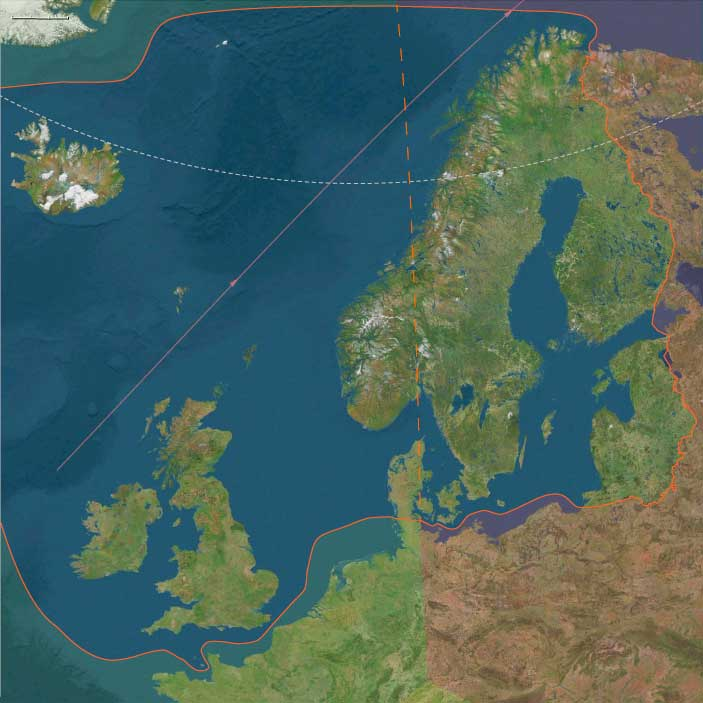
Subregions
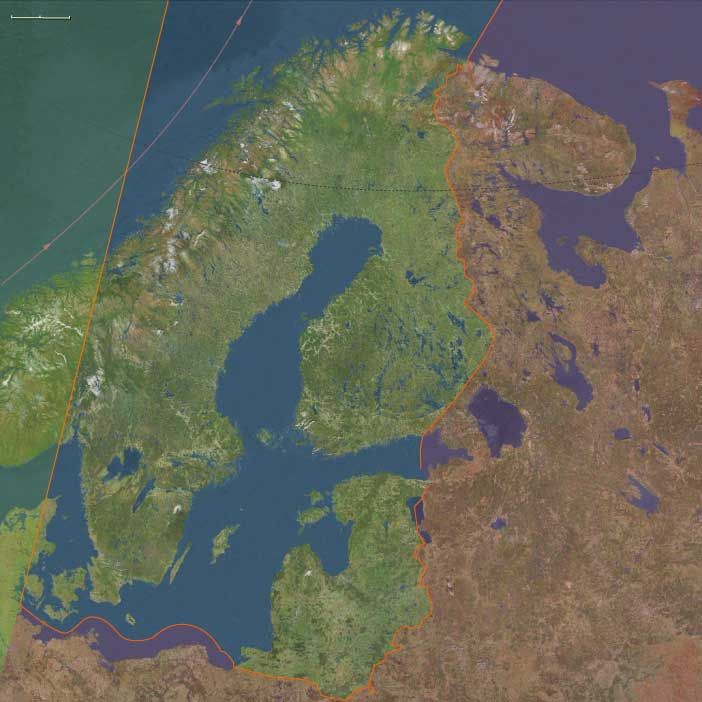
Related Events
Showing 10 events out of 1617 total
Years: 1984 - 1995
People
- Carl Bildt
- Gro Brundtland
- Ingvar Carlsson
- Kåre Willoch
- Mauno Koivisto
- Mikhail Gorbachev
- Olof Palme
- Poul Nyrup Rasmussen
- Poul Schlüter
Groups
- Sami people
- Denmark, Kingdom of
- Sweden, (third) Kingdom of
- Norway
- Russian Soviet Federated Socialist Republic
- Finland, Republic of
- Union of Soviet Socialist Republics (USSR), or Soviet Union
- Estonian Soviet Socialist Republic
- Latvian Soviet Socialist Republic
- Lithuanian Soviet Socialist Republic
- Iceland (Icelandic Republic)
- United Nations, The (U.N.)
- Kaliningrad Oblast
- NATO (North Atlantic Treaty Organization)
- Nordic Council
- European Free Trade Association (EFTA)
- Nokia Corporation
- Lithuania, Republic of
- Latvia, Republic of
- Estonia, Republic of
- EU (European Union)
- European Economic Area (EEA)
Topics
Commodoties
- Fish and game
- Grains and produce
- Fuels, lubricants and sealants
- Manufactured goods
- Electric power
- Pharmaceutical drugs
- Telecommunications
Subjects
- Commerce
- Watercraft
- Engineering
- Labor and Service
- Government
- Scholarship
- Custom and Law
- Technology
- political movement
- social movements
Regions
Subregions