
Northeast Europe (1972–1983 CE): Increased European Integration, …
Years: 1972 - 1983
Northeast Europe (1972–1983 CE): Increased European Integration, Social Progress, Soviet Stagnation, and Emerging Baltic Dissent
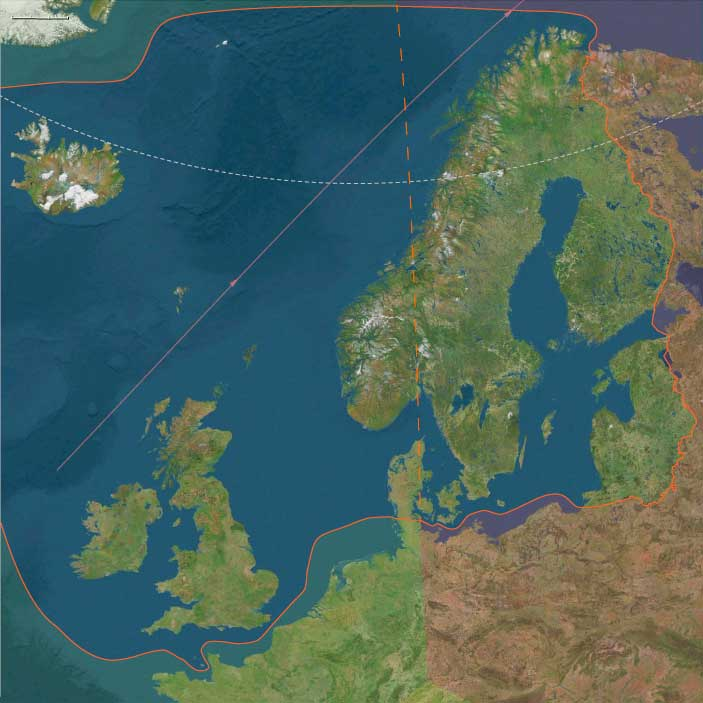
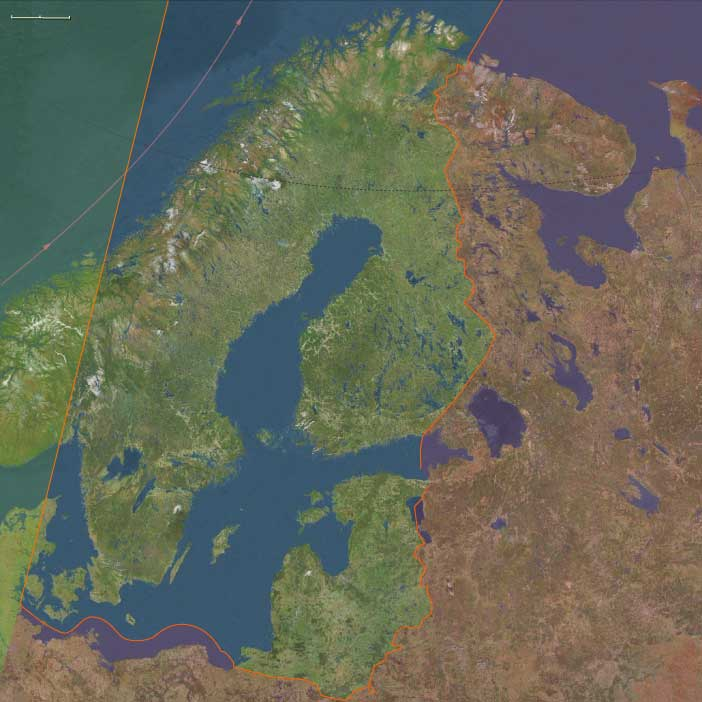
Between 1972 and 1983 CE, Northeast Europe experienced significant political, social, and economic transformations, shaped profoundly by the evolving Cold War dynamics. The Nordic countries—Denmark, Norway, Sweden, and Finland—deepened their prosperous welfare systems, embraced European integration cautiously, and emerged as global leaders in environmental and social progress. Meanwhile, the Soviet-controlled Baltic republics—Estonia, Latvia, and Lithuania—endured continued stagnation under repressive Soviet policies but witnessed the stirrings of renewed dissent and cultural awakening that would later fuel independence movements.
Finland: Pragmatic Neutrality, Economic Prosperity, and the Helsinki Accords
Under President Urho Kekkonen (r. 1956–1982), Finland continued its carefully managed policy of neutrality and cooperation with the Soviet Union, balancing Eastern influences and Western economic integration. This approach facilitated stability, economic prosperity, and considerable diplomatic influence.
Finland notably hosted the Conference on Security and Cooperation in Europe (CSCE) in Helsinki, culminating in the landmark 1975 Helsinki Accords. These accords, designed to promote détente between East and West, significantly enhanced Finland’s international diplomatic standing.
Economically, Finland continued expanding its prosperous industries in forestry, electronics (notably Nokia’s rise in technology), shipbuilding, and machinery. Extensive welfare-state programs provided healthcare, education, and social benefits, underpinning high living standards and social equality.
Baltic Republics under Soviet Control: Economic Stagnation, Cultural Repression, and Quiet Resistance
In Estonia, Latvia, and Lithuania, Soviet-imposed central planning continued causing economic stagnation, industrial inefficiency, and persistent shortages of consumer goods. Forced industrialization policies neglected local needs and stifled economic innovation.
Cultural Russification intensified during this era, but underground cultural and national resistance persisted, becoming increasingly vocal. Dissident movements quietly emerged, demanding greater cultural autonomy and human rights. The clandestine publication of banned nationalist literature (samizdat), secret cultural and religious gatherings, and hidden political discussions laid critical groundwork for subsequent independence movements.
Denmark: European Integration and Welfare Consolidation
Denmark’s key event during this era was joining the European Economic Community (EEC) on January 1, 1973, marking a decisive shift toward deeper European economic and political integration. Prime Ministers Anker Jørgensen (1972–1973, 1975–1982) and Poul Hartling (1973–1975) guided Denmark through this transformative period.
Denmark maintained robust economic growth and continued to expand its welfare state, emphasizing comprehensive healthcare, education, pensions, housing, gender equality, and social security. Environmental protection became a significant national priority, and Denmark emerged as a global leader in environmental sustainability, renewable energy innovation, particularly wind energy, and urban planning.
Norway: Oil Wealth, Welfare Expansion, and European Skepticism
Norway’s profound economic transformation continued through the responsible management of its North Sea oil reserves. Prime Minister Trygve Bratteli (1971–1972, 1973–1976) and later Prime Minister Odvar Nordli (1976–1981) oversaw significant economic and welfare-state expansion funded by burgeoning oil wealth, firmly establishing Norway as one of Europe’s richest nations.
In 1972, however, Norwegian voters narrowly rejected EEC membership in a national referendum, reflecting deep public skepticism toward European integration and concerns over national sovereignty. Instead, Norway joined the European Free Trade Association (EFTA) and signed trade agreements to maintain close ties with Europe without compromising political independence.
Social reforms dramatically improved healthcare, education, pensions, labor rights, environmental protections, and gender equality, reinforcing Norway’s model welfare state.
Sweden: Welfare Excellence, Progressive Policies, and Global Diplomacy
Sweden continued thriving under Prime Minister Olof Palme (1969–1976, 1982–1986), becoming internationally renowned for its extensive social policies, humanitarian diplomacy, environmentalism, and commitment to global peace.
Sweden’s welfare-state system expanded further, providing universal healthcare, comprehensive education, social security, childcare support, generous parental leave, and promoting gender equality in all spheres. The nation became an influential advocate for environmental sustainability, human rights, nuclear disarmament, and development aid, further elevating its global diplomatic stature.
Economic Divergence and Socioeconomic Contrasts
Nordic nations (Denmark, Norway, Sweden, Finland) experienced sustained prosperity, driven by technological innovation, industrial growth, international trade, and robust welfare states, maintaining some of the highest global standards of living.
In stark contrast, Estonia, Latvia, and Lithuania suffered ongoing economic stagnation under restrictive Soviet policies, leading to widespread shortages, environmental degradation, and deteriorating infrastructure, clearly reflecting Cold War economic divides.
Cultural Awakening and Baltic Dissent Movements
Despite Soviet repression, Estonia, Latvia, and Lithuania experienced a quiet cultural resurgence. Nationalist intellectuals, authors, artists, musicians, and educators increasingly pushed the boundaries of permissible cultural expression. Clandestine nationalist symbols, gatherings, and celebrations subtly affirmed Baltic identity against enforced Russification.
The commemoration of banned national anniversaries, private discussion circles, secret religious services, and dissemination of underground nationalist literature (samizdat) strengthened cultural consciousness, laying crucial foundations for future independence aspirations.
Technological Advancement and Educational Excellence in Nordic Nations
Throughout Denmark, Finland, Norway, and Sweden, investments in education and technological infrastructure intensified during this era. The Nordic educational systems achieved global recognition for high literacy rates, advanced technical education, research excellence, and egalitarian access. Technological progress was remarkable, particularly in telecommunications, energy, industrial design, electronics, and environmental technologies.
Environmental Awareness, Sustainability, and Social Movements
Environmental consciousness dramatically increased during the 1970s across the Nordic region, influenced by the landmark 1972 Stockholm Conference on the Human Environment, the first global environmental summit hosted by Sweden. Denmark, Norway, Finland, and Sweden became pioneers in environmental policies, sustainability practices, renewable energy research, pollution control, and urban environmental planning, setting influential global standards.
Parallel social movements in gender equality, human rights, indigenous rights (notably Sámi rights in northern Scandinavia), peace advocacy, and anti-nuclear activism gained momentum, reflecting progressive societal values and humanitarian commitments across Nordic countries.
Nordic Regional Cooperation and European Integration
Nordic regional integration deepened during this period through institutions like the Nordic Council of Ministers, promoting regional collaboration in economic, cultural, environmental, and educational affairs. Despite differing European alignments, Nordic solidarity was reinforced through cultural exchanges, economic cooperation, shared environmental goals, and common diplomatic initiatives.
Legacy of the Era
The period 1972–1983 CE significantly defined Northeast Europe’s historical path, sharpening contrasts between the prosperous, democratic Nordic countries and the oppressed Soviet-controlled Baltic republics. Finland solidified pragmatic neutrality and international diplomatic influence, notably through the Helsinki Accords. Denmark, Norway, and Sweden strengthened democratic governance, economic prosperity, social equality, environmental leadership, and European engagement. Meanwhile, Estonia, Latvia, and Lithuania, despite economic hardship and cultural repression, quietly nurtured resilient nationalist movements poised to shape their future independence struggles.
This era profoundly shaped Northeast Europe’s political frameworks, socioeconomic trajectories, environmental commitments, and cultural resilience, laying essential foundations for subsequent democratic transformations, eventual Baltic independence, and deeper European integration in the late twentieth century.
People
Groups
- Denmark, Kingdom of
- Norway
- Sweden, (third) Kingdom of
- Finland, Republic of
- Russian Soviet Federated Socialist Republic
- Union of Soviet Socialist Republics (USSR), or Soviet Union
- Lithuanian Soviet Socialist Republic
- Estonian Soviet Socialist Republic
- Latvian Soviet Socialist Republic
- United Nations, The (U.N.)
- Kaliningrad Oblast
- NATO (North Atlantic Treaty Organization)
- Nordic Council
- European Free Trade Association (EFTA)
- Nordic Council of Ministers
Topics
Subjects
Regions
Subregions
Related Events
Showing 10 events out of 2588 total
Years: 1972 - 1983
People
Groups
- Denmark, Kingdom of
- Norway
- Sweden, (third) Kingdom of
- Finland, Republic of
- Russian Soviet Federated Socialist Republic
- Union of Soviet Socialist Republics (USSR), or Soviet Union
- Lithuanian Soviet Socialist Republic
- Estonian Soviet Socialist Republic
- Latvian Soviet Socialist Republic
- United Nations, The (U.N.)
- Kaliningrad Oblast
- NATO (North Atlantic Treaty Organization)
- Nordic Council
- European Free Trade Association (EFTA)
- Nordic Council of Ministers
Topics
Subjects
Regions
Subregions