
Northeast Europe (1924–1935 CE): Consolidation of Independence, …
Years: 1924 - 1935
Northeast Europe (1924–1935 CE): Consolidation of Independence, Democratic Challenges, and Economic Transformation
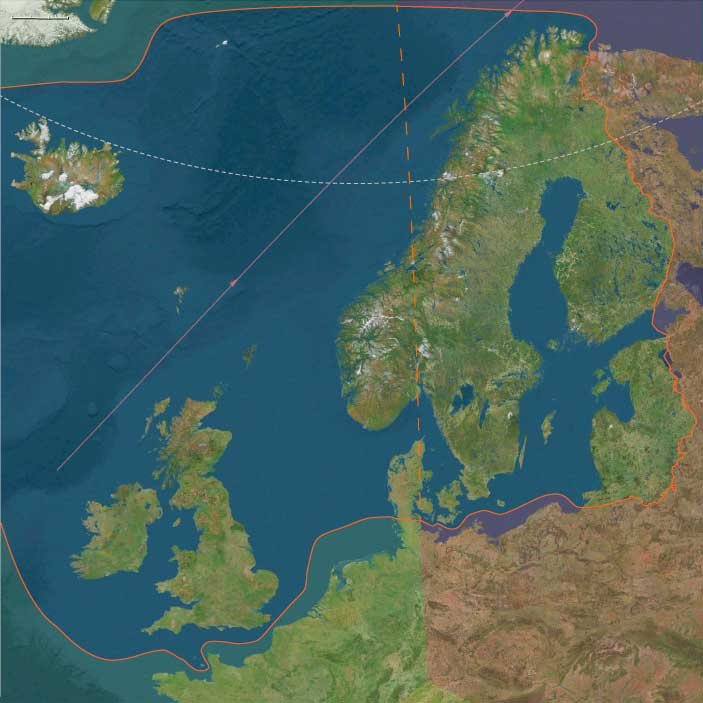
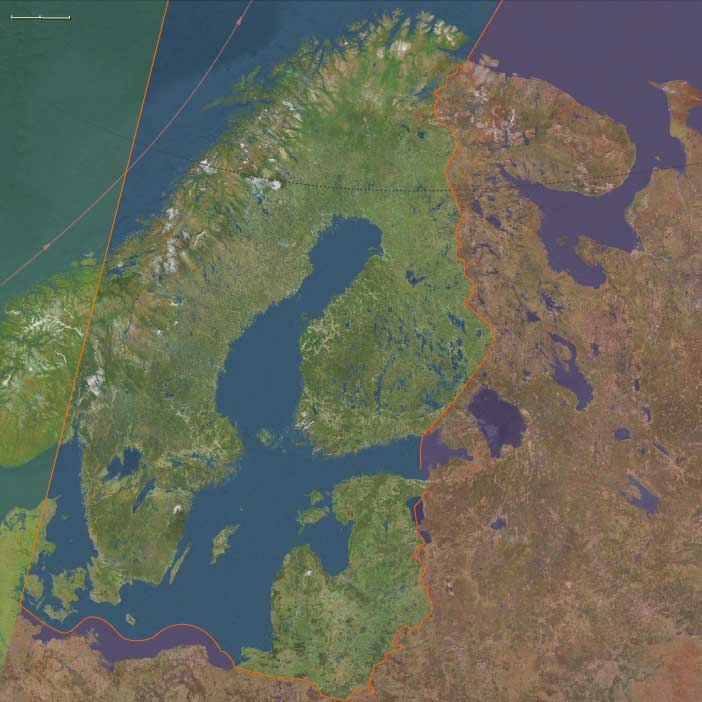
Between 1924 and 1935 CE, Northeast Europe experienced significant developments marked by the consolidation of national independence, robust cultural and educational progress, evolving democratic practices, and economic modernization. Finland, Estonia, Latvia, and Lithuania navigated complexities of sovereignty and democratic governance amid global economic turmoil. Denmark, Sweden, and Norway advanced further toward stable democracy, welfare reforms, and economic resilience, while Germany's shifting politics under the emerging Nazi regime began influencing regional geopolitical realities.
Finland: Democratic Stability, Economic Modernization, and Nordic Orientation
After recovering from the divisive Civil War of 1918, Finland continued its democratic consolidation, stabilizing politically under a parliamentary republic established by the Constitution of 1919. The presidency of Lauri Kristian Relander (1925–1931) and subsequently Pehr Evind Svinhufvud (1931–1937) exemplified stability, reinforcing Finland’s democratic institutions. Despite lingering political divisions between conservatives, social democrats, and the rural-based Agrarian League, Finland maintained a functioning democracy.
Economically, Finland modernized steadily, with industrialization driven by its robust timber, paper, and pulp industries. Infrastructure improvements—including transportation networks, railway expansions, and port enhancements—facilitated trade and commerce. Finland increasingly oriented economically and culturally toward Scandinavia, laying the foundations for future cooperation.
Estonia and Latvia: Parliamentary Democracy, Economic Reform, and Cultural Flourishing
Estonia and Latvia experienced dynamic parliamentary democracies in the early interwar years. In Estonia, parliamentary politics flourished initially under a constitution fostering democratic participation. Economic reforms, particularly land reform, stimulated agriculture, promoted industrial development, and reinforced urban growth in cities like Tallinn and Tartu. However, the global economic crisis after 1929 triggered political instability and led to the authoritarian regime under Konstantin Päts following a bloodless coup in 1934, intended to stabilize governance.
Latvia similarly experienced dynamic democratic participation initially, with active parliamentary debates shaping national policies. Under President Jānis Čakste (1922–1927) and later Alberts Kviesis (1930–1936), Latvia promoted economic modernization, agrarian reform, and educational expansion. However, as in Estonia, economic pressures and rising nationalist sentiments resulted in democratic backsliding. In 1934, Prime Minister Kārlis Ulmanis established an authoritarian regime, suspending parliament to ensure stability amid economic distress and political fragmentation.
Lithuania: Democratic Challenges and Authoritarian Consolidation
Lithuania navigated difficult democratic processes during this period. Initially a parliamentary republic, Lithuania faced internal political tensions exacerbated by the ongoing territorial dispute with Poland over Vilnius. These pressures culminated in a decisive political shift in 1926 when nationalist forces led by Antanas Smetona established an authoritarian government after a bloodless coup, suspending parliamentary democracy. Under Smetona’s presidency, Lithuania pursued centralized political control, economic development, and extensive cultural and educational initiatives to bolster Lithuanian national identity.
Denmark, Sweden, and Norway: Democratic Stability and Welfare State Foundations
Denmark, Sweden, and Norway continued to demonstrate democratic resilience, expanding their welfare states significantly.
-
Denmark maintained a stable democratic system characterized by coalition governments and robust social welfare policies, particularly during economic hardships following the Great Depression. Major social and educational reforms reinforced national cohesion and stability.
-
Sweden solidified its parliamentary democracy, notably under the governance of the Social Democratic Party led by Per Albin Hansson, who served as Prime Minister from 1932 onwards. The Swedish government implemented comprehensive welfare state reforms, addressing unemployment, education, housing, and public healthcare.
-
Norway similarly reinforced its democratic institutions, continuing to advance social welfare policies and education. Prime Minister Johan Ludwig Mowinckel and his successors oversaw critical economic and social initiatives, further embedding democratic norms and expanding citizens' rights.
These nations’ political and economic stability became a regional hallmark, fostering prosperity and democratic governance.
Economic Transformations and Global Economic Crisis
Throughout Northeast Europe, economic modernization significantly advanced in the 1920s, with industrial growth in timber, shipbuilding, textiles, agriculture, and manufacturing. Infrastructure developments enhanced regional economic integration and facilitated international trade.
The onset of the Great Depression (1929–1933), however, dramatically impacted all nations. Finland, Estonia, Latvia, and Lithuania experienced severe economic downturns, widespread unemployment, and declining exports. These hardships strained democratic governance and catalyzed authoritarian responses, notably in Estonia (Päts), Latvia (Ulmanis), and Lithuania (Smetona). Conversely, Denmark, Sweden, and Norway managed economic distress through comprehensive welfare measures, labor reforms, and social policies, thereby stabilizing their democracies.
Urbanization and Social Developments
Urbanization continued intensively, reshaping demographic and social landscapes. Cities including Helsinki, Tallinn, Riga, Kaunas, Vilnius, Copenhagen, Oslo, and Stockholm experienced rapid growth, fostering middle-class expansion, cultural innovation, and improved standards of living. Urban centers became hubs for modernist architecture, vibrant artistic movements, and progressive social policies, influencing broader national identities.
Rise of Nationalist Movements and Authoritarian Trends
Economic hardships and national insecurities after the Great Depression intensified nationalist movements, particularly in Estonia, Latvia, and Lithuania, contributing directly to authoritarian shifts. Leaders like Päts, Ulmanis, and Smetona justified authoritarian governance as stabilizing responses to economic instability and political fragmentation. This trend reflected broader European movements towards authoritarianism during economic crisis periods.
Germany's Regional Influence under Nazism
The rise of the Nazi Party and Adolf Hitler’s ascension to power in Germany (1933) significantly impacted Northeast Europe. Germany’s economic recovery and assertive foreign policy under Nazism affected trade relations, regional diplomacy, and security considerations. Baltic states increasingly felt pressure from Germany's expansive geopolitical ambitions. Simultaneously, Finland cautiously navigated relations, mindful of potential German economic opportunities and Soviet threats.
Cultural and Educational Flourishing
Despite political challenges, Northeast Europe's cultural and intellectual life flourished remarkably. Finland reinforced its cultural identity through music, literature, and educational advancements, symbolized by composer Jean Sibelius, whose symphonic compositions became national treasures. Estonia, Latvia, and Lithuania expanded national education systems, promoting native languages, history, and culture, further embedding distinct national identities.
Scandinavian countries, especially Sweden and Denmark, contributed significantly to European cultural trends, particularly modernist literature, art, design, and social thought, bolstered by flourishing educational and cultural institutions.
Diplomatic Alignments and Regional Cooperation
During this era, diplomatic alignments intensified as geopolitical tensions rose. Finland, Estonia, Latvia, and Lithuania sought security through diplomatic initiatives, cautiously balancing relations with Germany and the Soviet Union. Simultaneously, inter-Scandinavian cooperation strengthened significantly, marked by increased diplomatic collaboration, cultural exchanges, and economic agreements among Denmark, Sweden, and Norway.
Legacy of the Era
The period 1924–1935 CE critically shaped Northeast Europe’s historical trajectory, characterized by national consolidations, democratic challenges, and economic transformations. Finland maintained democratic institutions despite global economic pressures. Estonia, Latvia, and Lithuania transitioned from vibrant parliamentary democracies to authoritarian regimes amid intense economic and political instability. Denmark, Sweden, and Norway emerged as exemplary stable democracies, laying robust foundations for future welfare states.
Collectively, these developments significantly influenced Northeast Europe’s political landscapes, social structures, cultural identities, and diplomatic relations, setting the stage for future challenges in the volatile decade leading toward the Second World War.
People
- Adolf Hitler
- Alberts Kviesis
- Antanas Smetona
- Jean Sibelius
- Johan Ludwig Mowinckel
- Jānis Čakste
- Konstantin Päts
- Kārlis Ulmanis
- Lauri Kristian Relander
- Pehr Evind Svinhufvud
- Per Albin Hansson
Groups
- Christians, Roman Catholic
- Lutheranism
- Denmark, Kingdom of
- Sweden, (third) Kingdom of
- Norway
- Finland, Republic of
- Russian Soviet Federated Socialist Republic
- Estonia, independent republic of
- Latvia
- Lithuania
- Germany, Weimar Republic of
- League of Nations, The
- Union of Soviet Socialist Republics (USSR), or Soviet Union
Topics
Commodoties
Subjects
- Commerce
- Writing
- Watercraft
- Painting and Drawing
- Performing Arts
- Labor and Service
- Government
- Custom and Law
- political movement
Regions
Subregions
Years: 1924 - 1935
People
- Adolf Hitler
- Alberts Kviesis
- Antanas Smetona
- Jean Sibelius
- Johan Ludwig Mowinckel
- Jānis Čakste
- Konstantin Päts
- Kārlis Ulmanis
- Lauri Kristian Relander
- Pehr Evind Svinhufvud
- Per Albin Hansson
Groups
- Christians, Roman Catholic
- Lutheranism
- Denmark, Kingdom of
- Sweden, (third) Kingdom of
- Norway
- Finland, Republic of
- Russian Soviet Federated Socialist Republic
- Estonia, independent republic of
- Latvia
- Lithuania
- Germany, Weimar Republic of
- League of Nations, The
- Union of Soviet Socialist Republics (USSR), or Soviet Union
Topics
Commodoties
Subjects
- Commerce
- Writing
- Watercraft
- Painting and Drawing
- Performing Arts
- Labor and Service
- Government
- Custom and Law
- political movement
Regions
Subregions