
Northeast Europe (1780–1791 CE): Enlightened Reform, Military …
Years: 1780 - 1791
Northeast Europe (1780–1791 CE): Enlightened Reform, Military Ambitions, and Scientific Innovation
Between 1780 and 1791 CE, Northeast Europe experienced a dynamic period characterized by enlightened reforms, ambitious military campaigns, significant scientific discoveries, and sustained economic and cultural development. Sweden under Gustav III pursued renewed military objectives alongside internal reforms, Denmark–Norway maintained strategic neutrality and domestic modernization, and Prussia under Frederick the Great and subsequently Frederick William II continued administrative efficiency and economic stability. The era was also marked by notable scientific advancements, exemplified by the groundbreaking work of Swedish chemist Peter Jacob Hjelm.
Sweden: Gustav III’s Enlightened Absolutism and Military Ambitions
King Gustav III (r. 1771–1792), having restored royal absolutism in Sweden in 1772, continued extensive internal reforms aimed at strengthening the monarchy, modernizing administration, and advancing cultural life. Alongside domestic reforms, Gustav pursued ambitious foreign policy objectives, notably attempting to revise the territorial outcomes of the earlier Great Northern War. In 1788, Sweden declared war against Russia, seeking to reclaim lost territories along Finland’s eastern border.
The Russo-Swedish War and the Anjala League Mutiny
During the ensuing conflict (1788–1790), known as the Russo-Swedish War, an important internal incident was the mutiny of a faction of Finnish officers within the Swedish military, known as the Anjala League. The mutineers, led prominently by former Swedish army colonel Göran Sprengtporten, aimed to avoid provoking severe Russian retaliation against Finland. Although swiftly suppressed and lacking broad support among Finnish officers, the mutiny highlighted increasing war-weariness among many Finns, particularly Finnish nobles, who were growing weary of Finland's frequent role as a battleground between Sweden and Russia.
Due to Russia’s simultaneous military commitments in a major conflict against the Ottoman Empire, Sweden secured an advantageous diplomatic settlement in the Treaty of Värälä (1790), effectively ending the conflict without territorial changes. Thus, despite Gustav III’s ambitious objectives, the territorial boundaries of Finland remained unchanged, preserving the status quo while leaving underlying tensions unresolved.
Scientific Advancement: Hjelm’s Isolation of Molybdenum
During this period, Sweden also witnessed significant scientific progress. In 1781–1782, Swedish chemist Peter Jacob Hjelm, encouraged by colleague Carl Wilhelm Scheele, successfully isolated the metal molybdenum. By heating a paste composed of molybdenum oxide and linseed oil at high temperatures in a crucible, Hjelm achieved the first-ever isolation of this element. Naming the newly discovered metal from the Greek molybdos, meaning “lead,” Hjelm’s achievement represented a major advancement in European chemical science, underscoring Sweden’s continued prominence in scientific and industrial chemistry research.
Danish–Norwegian Neutrality and Enlightened Domestic Reforms
Under the rule of King Christian VII (r. 1766–1808), Denmark–Norway continued to focus on domestic modernization and cautious neutrality in regional politics. Economic prosperity increased through investments in infrastructure, agriculture, and maritime commerce. Copenhagen became increasingly vibrant as a center of commerce, culture, and Enlightenment-inspired education, maintaining stability and economic growth amidst broader European geopolitical uncertainties.
Prussian Stability under Frederick II and Frederick William II
Prussia under Frederick II (Frederick the Great) (r. 1740–1786), and later under Frederick William II (r. 1786–1797), maintained disciplined governance, economic stability, and strategic territorial control. Frederick II’s enlightened reforms in education, administration, and agriculture persisted, bolstering Prussia’s economic and administrative efficiency, especially in territories around Königsberg (Kaliningrad).
Economic Prosperity and Urban Stability
Key urban centers across Northeast Europe, including Stockholm, Copenhagen, Königsberg, Riga, and Reval (Tallinn), continued to thrive economically, benefiting from maritime trade, improved infrastructure, and stable governance. Regional economic integration deepened, supported by expanding merchant networks and commercial growth, contributing substantially to urban prosperity and stability.
Finland: Agricultural Improvements and the Burden of Warfare
Finland, still under Swedish rule, experienced continued agricultural productivity and internal economic stability. Improvements in scientific agriculture—such as the continued use of potatoes, building upon earlier advancements—enhanced food security and economic resilience. However, the Russo-Swedish War of 1788–1790 reinforced concerns among Finns about the persistent vulnerability and risks associated with Finland’s geopolitical position, as highlighted by the Anjala League incident.
Stability and Incremental Progress in the Baltic Territories
The Baltic territories—Estonia, Latvia, and Lithuania—experienced steady economic growth and internal stability. Predominantly governed by Baltic-German nobility, these regions maintained relative tranquility, with urban centers such as Riga and Reval thriving economically and culturally. Enlightenment-inspired local reforms and educational advancements gradually enhanced regional prosperity and stability.
Cultural Flourishing and Intellectual Life
Cultural and educational institutions flourished across Northeast Europe. King Gustav III significantly patronized arts and sciences in Sweden, establishing influential institutions including the Swedish Academy (Svenska Akademien) in 1786. Denmark–Norway and Prussia continued to nurture academic and cultural development, supporting Enlightenment ideals and intellectual advancement throughout the region.
Diplomatic Pragmatism and Regional Realignment
Diplomatic interactions during this era remained pragmatic and cautious. Sweden’s brief military ambition against Russia revealed clear limitations on Swedish geopolitical influence and highlighted Finland’s vulnerability. Denmark–Norway maintained neutrality and stability, while Prussia skillfully avoided involvement in destabilizing conflicts, preserving regional stability and internal growth.
Legacy of the Era
The period from 1780 to 1791 CE significantly impacted Northeast Europe through Sweden’s ambitious yet ultimately inconclusive war efforts, critical internal political events like the Anjala League mutiny, and landmark scientific advancements exemplified by Hjelm’s discovery of molybdenum. These developments shaped regional geopolitical relationships, reinforced internal political and economic stability, and promoted continued scientific and cultural vitality, laying a strong foundation for future historical trajectories.
People
- Christian VII
- Frederick William II of Prussia
- Frederick the Great
- Georg Magnus Sprengtporten
- Gustav III of Sweden
- Peter Jacob Hjelm
- Peter the Great
Groups
- Polytheism (“paganism”)
- Latvians, or Letts (Eastern Balts)
- Estonians
- Christians, Roman Catholic
- Finland under Swedish rule
- Crown of the Kingdom of Poland
- Lutheranism
- Sweden, (second) Kingdom of
- Denmark-Norway, Kingdom of
- Forest Finns
- Courland and Semigallia, Duchy of
- Polish-Lithuanian Commonwealth (Commonwealth of the Two Nations)
- Finland, (Swedish) Grand Duchy of
- Pomerania, Swedish
- Prussia, Kingdom of
- Pomerania, Swedish
- Baltic governorates
- Livonia, Governorate of
- Estonia, Governorate of
- Russian Empire
Topics
Subjects
Regions
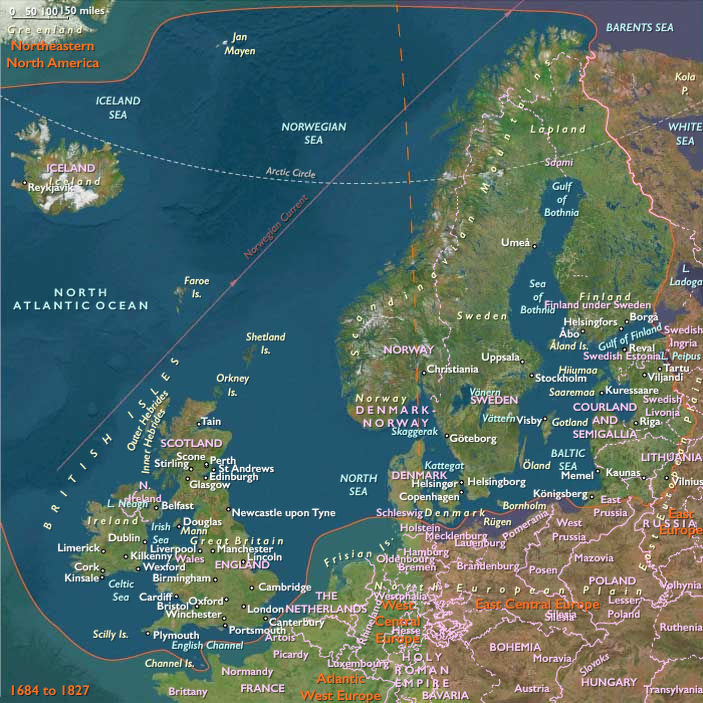
Subregions
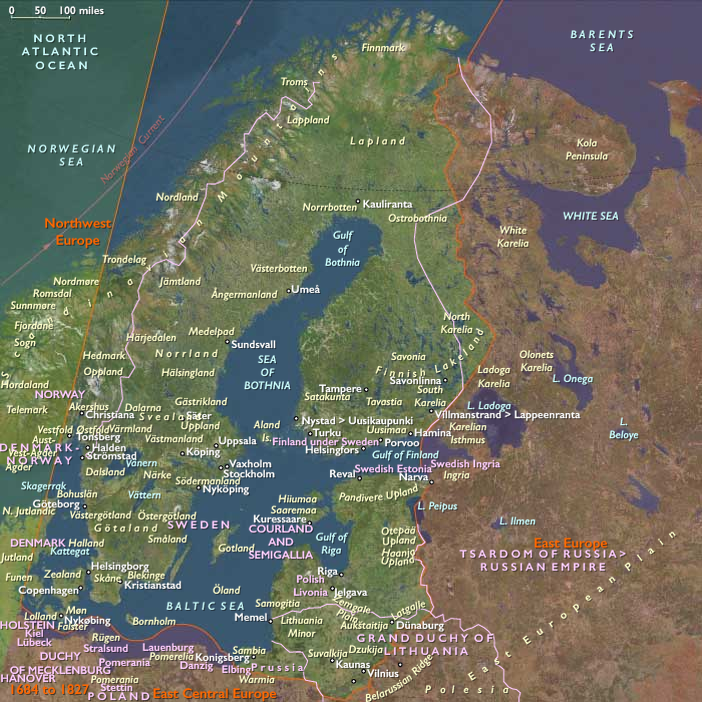
Years: 1780 - 1791
People
- Christian VII
- Frederick William II of Prussia
- Frederick the Great
- Georg Magnus Sprengtporten
- Gustav III of Sweden
- Peter Jacob Hjelm
- Peter the Great
Groups
- Polytheism (“paganism”)
- Latvians, or Letts (Eastern Balts)
- Estonians
- Christians, Roman Catholic
- Finland under Swedish rule
- Crown of the Kingdom of Poland
- Lutheranism
- Sweden, (second) Kingdom of
- Denmark-Norway, Kingdom of
- Forest Finns
- Courland and Semigallia, Duchy of
- Polish-Lithuanian Commonwealth (Commonwealth of the Two Nations)
- Finland, (Swedish) Grand Duchy of
- Pomerania, Swedish
- Prussia, Kingdom of
- Pomerania, Swedish
- Baltic governorates
- Livonia, Governorate of
- Estonia, Governorate of
- Russian Empire
Topics
Subjects
Regions
Subregions