
Northeast Europe (1756–1767 CE): Wartime Struggles, Diplomatic …
Years: 1756 - 1767
Northeast Europe (1756–1767 CE): Wartime Struggles, Diplomatic Shifts, and Social Progress
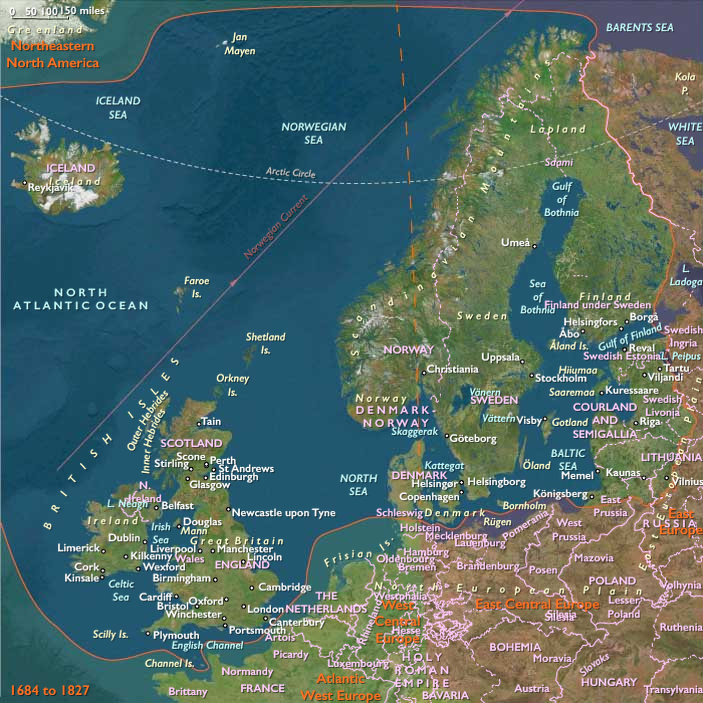
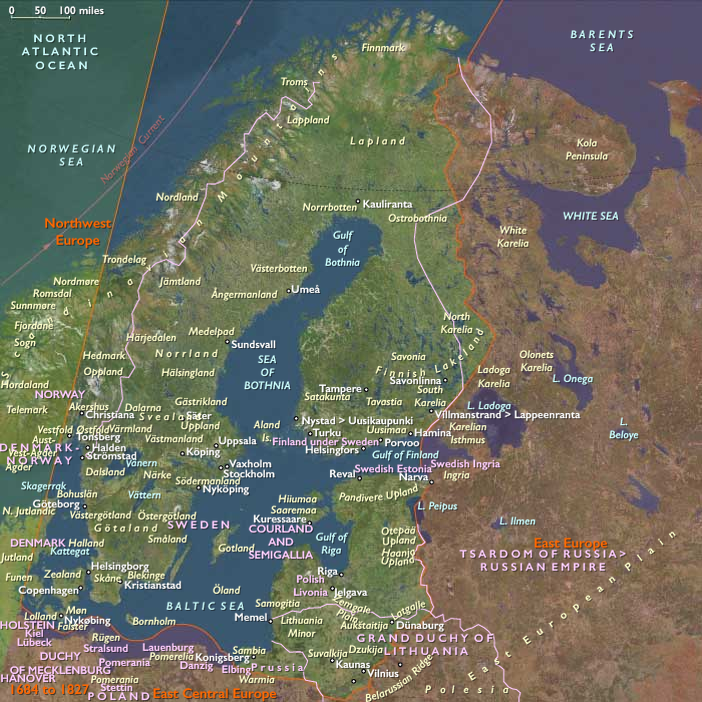
Between 1756 and 1767 CE, Northeast Europe was marked by wartime involvement, particularly influenced by the broader European conflicts of the Seven Years’ War (1756–1763), internal political adjustments, and continued economic and social progress. Sweden pursued renewed, though limited, military ambitions, Denmark–Norway navigated neutrality and economic expansion, Prussia emerged resilient from wartime challenges, and the Baltic territories—including Estonia, Latvia, and Lithuania—experienced gradual recovery and stabilization.
Sweden’s Limited Involvement in the Seven Years’ War
Sweden, under King Adolf Frederick (r. 1751–1771), participated briefly in the Seven Years’ War as part of a broader European coalition aimed at weakening Prussian influence. Encouraged by the dominant Hat party, Swedish forces invaded Prussian Pomerania in 1757, hoping to regain lost prestige and territory. However, due to limited military resources and unclear strategic objectives, Sweden achieved little success. In 1762, the conflict concluded without territorial changes for Sweden, highlighting the kingdom’s diminished geopolitical status and prompting further internal reflection on its international ambitions.
Danish–Norwegian Neutrality and Economic Growth
Under King Frederick V (r. 1746–1766) and subsequently Christian VII (from 1766), Denmark–Norway carefully maintained neutrality throughout the Seven Years’ War, strategically capitalizing on the conflict by enhancing trade and economic prosperity. Maritime commerce expanded significantly, particularly benefiting Copenhagen and other Danish-Norwegian ports. Continued investments in infrastructure, education, and agricultural productivity strengthened the kingdom’s internal stability and economic resilience, providing a stable foundation despite broader European instability.
Prussian Resilience and Strengthening under Frederick the Great
Prussia, led by King Frederick II (Frederick the Great) (r. 1740–1786), endured severe challenges during the Seven Years’ War, facing powerful European coalitions intent on reducing Prussian influence. Through skilled military strategy and diplomatic maneuvering, Prussia survived despite initial setbacks, emerging from the conflict battered yet ultimately strengthened. This period reinforced Prussia’s reputation as a resilient and influential state, solidifying its importance to Northeast Europe's geopolitical balance and strengthening economic and military institutions, notably in Königsberg (Kaliningrad).
Economic Resilience and Urban Stability in the Baltic
Cities within the Northeast Europe subregion—including Stockholm, Copenhagen, Königsberg, Riga, and Reval (Tallinn)—displayed notable economic resilience despite wartime disruptions. Enhanced governance, robust merchant networks, and carefully maintained neutrality (in Denmark–Norway’s case) facilitated continued prosperity. Maritime trade thrived, particularly through Danish and Swedish ports, reflecting broader regional economic stability and growth.
Stability and Continued Agricultural Progress in Finland
In Finland, remaining under Swedish administration, internal stability persisted despite Sweden’s limited military engagements. Agricultural productivity further improved, partly due to ongoing adoption of innovations such as those introduced earlier by Eva Ekeblad. These advances continued to bolster food security and economic stability within Finland, effectively mitigating the effects of external geopolitical tensions and limited wartime disruptions.
Social Progress and Cultural Advancement
Throughout Northeast Europe, cultural and educational institutions continued to flourish, benefiting from sustained investments and patronage. Prominent universities and academies in Stockholm, Copenhagen, and Königsberg actively promoted intellectual and scientific progress. Notable advancements occurred in literature, natural sciences, agriculture, and philosophy, reflecting the era's broader Enlightenment ideals.
Political Developments in the Baltic Territories
The Baltic territories of Estonia, Latvia, and Lithuania continued recovering from earlier wartime disruptions and stabilized economically and socially. Under stable governance structures, predominantly influenced by local Baltic-German nobility and sustained urban commercial activity, these territories experienced steady economic recovery and relative internal tranquility, despite continuing external diplomatic pressures.
Diplomatic Realignments and Regional Stability
Diplomatic interactions remained complex, characterized by careful maneuvering and pragmatic neutrality. Sweden’s unsuccessful military venture against Prussia underscored its reduced geopolitical influence. Denmark–Norway skillfully leveraged its neutrality to maintain stability and economic growth, while Prussia emerged diplomatically strengthened by successfully weathering wartime challenges. External influences, notably from Russia—though primarily beyond this subregion—continued indirectly impacting Northeast Europe's diplomatic strategies and territorial alignments.
Legacy of the Era
The period from 1756 to 1767 CE significantly influenced Northeast Europe’s geopolitical balance, economic resilience, and cultural trajectory. Sweden's limited wartime involvement reaffirmed its reduced regional status, prompting internal reflection and economic pragmatism. Denmark–Norway’s strategic neutrality fostered economic prosperity and stability, and Prussia’s endurance in the Seven Years’ War firmly positioned it as an influential and resilient state within Northeast Europe. Collectively, these developments contributed significantly to shaping diplomatic relationships, economic stability, and cultural advancement across the region, establishing foundational conditions for subsequent historical periods.
People
- Adolf Frederick, King of Sweden
- Christian VII
- Eva Ekeblad
- Frederick V of Denmark
- Frederick the Great
- Peter the Great
Groups
- Polytheism (“paganism”)
- Latvians, or Letts (Eastern Balts)
- Estonians
- Christians, Roman Catholic
- Finland under Swedish rule
- Crown of the Kingdom of Poland
- Lutheranism
- Sweden, (second) Kingdom of
- Denmark-Norway, Kingdom of
- Forest Finns
- Courland and Semigallia, Duchy of
- Polish-Lithuanian Commonwealth (Commonwealth of the Two Nations)
- Finland, (Swedish) Grand Duchy of
- Pomerania, Swedish
- Prussia, Kingdom of
- Livonia, Governorate of
- Estonia, Governorate of
- Russian Empire
- Baltic governorates
Topics
Subjects
Regions
Subregions
Years: 1756 - 1767
People
- Adolf Frederick, King of Sweden
- Christian VII
- Eva Ekeblad
- Frederick V of Denmark
- Frederick the Great
- Peter the Great
Groups
- Polytheism (“paganism”)
- Latvians, or Letts (Eastern Balts)
- Estonians
- Christians, Roman Catholic
- Finland under Swedish rule
- Crown of the Kingdom of Poland
- Lutheranism
- Sweden, (second) Kingdom of
- Denmark-Norway, Kingdom of
- Forest Finns
- Courland and Semigallia, Duchy of
- Polish-Lithuanian Commonwealth (Commonwealth of the Two Nations)
- Finland, (Swedish) Grand Duchy of
- Pomerania, Swedish
- Prussia, Kingdom of
- Livonia, Governorate of
- Estonia, Governorate of
- Russian Empire
- Baltic governorates
Topics
Subjects
Regions
Subregions