
Northeast Europe (1744–1755 CE): Diplomatic Stability, Economic …
Years: 1744 - 1755
Northeast Europe (1744–1755 CE): Diplomatic Stability, Economic Development, and Scientific Progress
Between 1744 and 1755 CE, Northeast Europe experienced relative diplomatic stability, steady economic growth, significant agricultural innovation, and notable cultural advancements. Sweden persisted under parliamentary governance during its Age of Liberty, Denmark–Norway maintained strategic neutrality, Prussia continued to strengthen under Frederick the Great, and significant scientific contributions emerged, exemplified by the innovations of Swedish scientist Eva Ekeblad. External pressures from the rising Russian Empire continued influencing the region, particularly through ongoing strategic territorial adjustments and diplomatic interactions, though internal developments within Russia proper, including events in Saint Petersburg, remain outside the scope of this subregional narrative.
Sweden’s Age of Liberty and Parliamentary Governance
Sweden, under King Frederick I (r. 1720–1751) and subsequently Adolf Frederick (r. 1751–1771), maintained its parliamentary governance known as the Age of Liberty. Internal political rivalry between the influential Hat and Cap parties persisted, shaping both domestic policy and foreign relations. Despite diminished international stature, Sweden experienced steady economic recovery, improved agricultural practices, and notable scientific advances that significantly benefited the population.
Eva Ekeblad’s Agricultural Innovations and Recognition
A pivotal figure of this period was the Swedish aristocrat and scientist Eva Ekeblad (née De la Gardie). In 1746, Ekeblad communicated groundbreaking research to the Royal Swedish Academy of Sciences, detailing practical methods to produce flour and alcohol from potatoes. Although introduced to Sweden as early as 1658, potatoes had previously been cultivated exclusively by the aristocracy. Ekeblad’s innovations transformed the potato into a staple food source throughout Sweden, significantly improving food security, increasing grain supplies by replacing wheat, rye, and barley previously used for alcohol production, and substantially reducing the frequency and severity of famines.
Ekeblad’s additional scientific contributions further benefited society. In 1751, she developed a method for bleaching cotton textiles and yarn using soap, and in 1752, replaced hazardous ingredients in cosmetics with safer potato flour. Her innovative use of potato flowers as hair ornaments helped popularize the plant among the Swedish population. In recognition of her pioneering research, Ekeblad became the first woman elected to the Royal Swedish Academy of Sciences in 1748. Although never actively participating in meetings and later designated as an honorary rather than a full member due to gender restrictions, her achievements remained widely acknowledged and influential.
External Influence and Territorial Adjustments from Russia
Throughout this era, the external pressure and diplomatic influence of the Russian Empire continued to significantly shape Northeast Europe’s political and territorial landscape. Particularly notable was the continuing impact of previous Russian territorial gains from Sweden, such as the strategically vital southeastern areas of Finland including the fortress city of Viipuri (Vyborg). Although internal developments within Russia proper fall outside the scope of this narrative, Russian diplomatic interactions remained influential in Northeast European political alignments and strategic decisions.
Danish–Norwegian Stability and Economic Consolidation
Under Kings Christian VI (r. 1730–1746) and Frederick V (r. 1746–1766), Denmark–Norway sustained diplomatic neutrality, cautiously navigating regional politics. Internally, significant economic reforms, infrastructural improvements, and maritime commerce facilitated stable economic growth. Urban centers, notably Copenhagen, experienced increased cultural vitality, contributing to Denmark–Norway’s prosperity and stability.
Prussian Strengthening under Frederick the Great
Prussia, led by King Frederick II (Frederick the Great) (r. 1740–1786), intensified internal reforms, bolstering military strength, governmental efficiency, and economic resilience. Enlightened absolutist policies improved education, administration, and economic structures within territories such as the Kaliningrad (Königsberg) region, positioning Prussia as an influential and increasingly powerful Central European state, prudently navigating regional diplomacy.
Economic Expansion and Urban Prosperity
Major Northeast European urban centers—including Stockholm, Copenhagen, Königsberg, and Riga—experienced ongoing economic expansion. Continued peace, stable governance, and flourishing merchant networks facilitated robust maritime commerce and increased regional economic integration, significantly enhancing the prosperity and resilience of these cities.
Territorial Stability and Agricultural Advances in Finland
Despite previous territorial concessions to Russia, Finland remained internally stable under Swedish administration. Agricultural productivity improved notably during this period, bolstered by innovations like those introduced by Ekeblad, significantly enhancing food security and economic stability throughout Finland and offsetting challenges posed by territorial adjustments.
Cultural Flourishing and Scientific Advancements
Educational and cultural institutions in Sweden, Denmark–Norway, and Prussia received renewed investment, supporting cultural enrichment and intellectual advancement. Eva Ekeblad’s scientific breakthroughs epitomized the era’s spirit of intellectual curiosity and pragmatic innovation, significantly impacting regional agriculture, economics, and daily life.
Diplomatic Maneuvering and Regional Stability
Diplomatic activities remained strategically cautious as Northeast European powers adjusted to their post-Great Northern War realities. Sweden sought to stabilize its reduced geopolitical status through careful diplomacy, Denmark–Norway preserved neutrality and stability, and Prussia prudently navigated regional politics, each mindful of Russia’s continuing external influence.
Legacy of the Era
The period from 1744 to 1755 CE was crucial in stabilizing Northeast Europe's diplomatic relationships, promoting regional economic prosperity, and significantly advancing cultural and scientific progress. Agricultural innovations led by Eva Ekeblad exemplified enlightened inquiry's transformative impact on societal well-being, significantly enhancing food security and economic resilience. The careful diplomatic maneuvering and internal strengthening of Sweden, Denmark–Norway, and Prussia, coupled with the continuing external influence of Russia, profoundly shaped the region’s geopolitical trajectory and cultural development.
People
- Adolf Frederick, King of Sweden
- Augustus III of Poland
- Christian VI
- Eva Ekeblad
- Frederick I of Sweden
- Frederick IV of Denmark
- Frederick V of Denmark
- Frederick the Great
- Peter the Great
Groups
- Polytheism (“paganism”)
- Latvians, or Letts (Eastern Balts)
- Estonians
- Christians, Roman Catholic
- Finland under Swedish rule
- Crown of the Kingdom of Poland
- Lutheranism
- Sweden, (second) Kingdom of
- Denmark-Norway, Kingdom of
- Forest Finns
- Courland and Semigallia, Duchy of
- Polish-Lithuanian Commonwealth (Commonwealth of the Two Nations)
- Finland, (Swedish) Grand Duchy of
- Pomerania, Swedish
- Prussia, Kingdom of
- Livonia, Governorate of
- Estonia, Governorate of
- Russian Empire
- Baltic governorates
Topics
Subjects
Regions
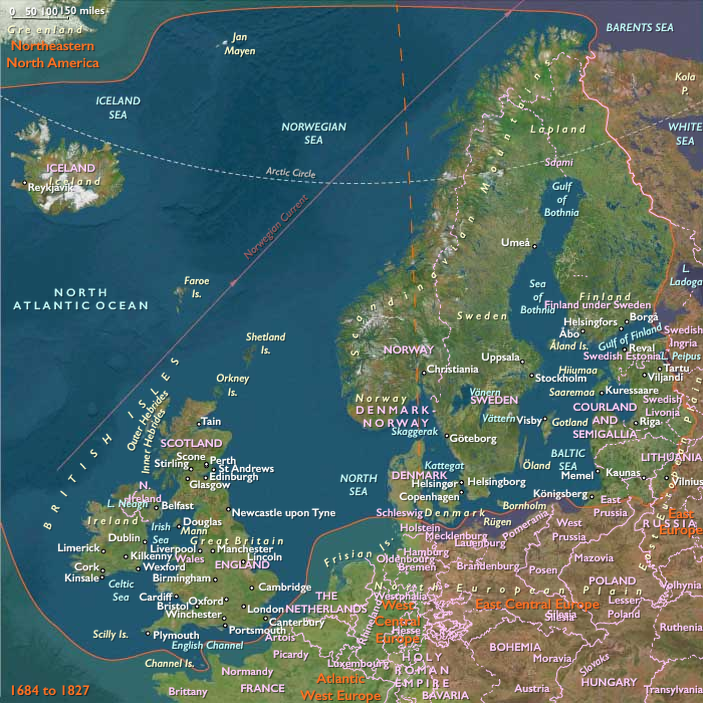
Subregions
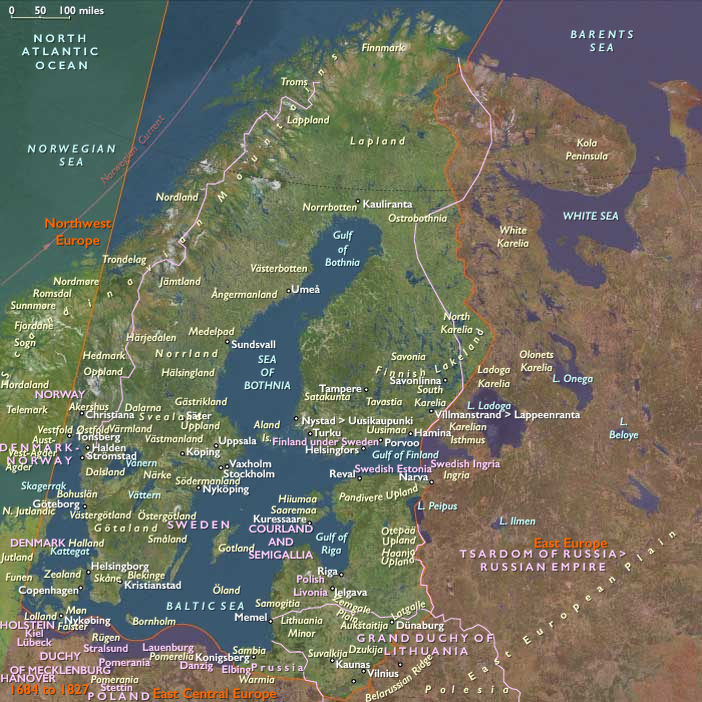
Years: 1744 - 1755
People
- Adolf Frederick, King of Sweden
- Augustus III of Poland
- Christian VI
- Eva Ekeblad
- Frederick I of Sweden
- Frederick IV of Denmark
- Frederick V of Denmark
- Frederick the Great
- Peter the Great
Groups
- Polytheism (“paganism”)
- Latvians, or Letts (Eastern Balts)
- Estonians
- Christians, Roman Catholic
- Finland under Swedish rule
- Crown of the Kingdom of Poland
- Lutheranism
- Sweden, (second) Kingdom of
- Denmark-Norway, Kingdom of
- Forest Finns
- Courland and Semigallia, Duchy of
- Polish-Lithuanian Commonwealth (Commonwealth of the Two Nations)
- Finland, (Swedish) Grand Duchy of
- Pomerania, Swedish
- Prussia, Kingdom of
- Livonia, Governorate of
- Estonia, Governorate of
- Russian Empire
- Baltic governorates
Topics
Subjects
Regions
Subregions