
Northeast Europe (1720–1731 CE): Postwar Stability, Diplomatic …
Years: 1720 - 1731
Northeast Europe (1720–1731 CE): Postwar Stability, Diplomatic Realignments, and Economic Recovery
Between 1720 and 1731 CE, Northeast Europe experienced stabilization, diplomatic realignment, and economic recovery following the devastating conclusion of the Great Northern War. This era marked the definitive end of Sweden’s imperial status, the ascendance of Russia as a dominant European power, strategic consolidation by Denmark–Norway, cautious Prussian diplomacy, and sustained regional economic and cultural recovery.
Conclusion of the Great Northern War: The Treaty of Nystad (Uusikaupunki)
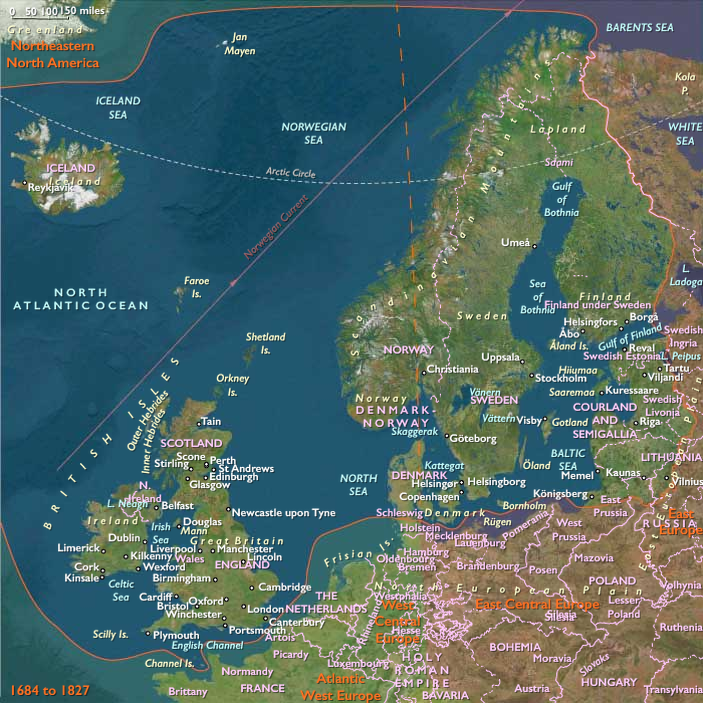
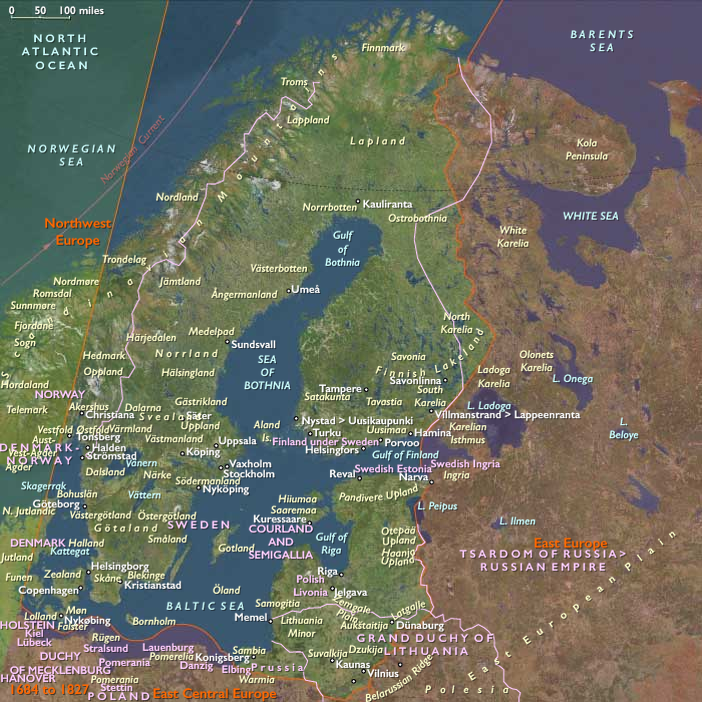
The Great Northern War officially concluded on August 30, 1721, with the signing of the Peace of Nystad (Swedish: Uusikaupunki). Sweden ceded substantial territories on the southern and eastern shores of the Baltic Sea—including critical regions such as Estonia, Livonia, Ingria, and significant parts of Karelia—to Russia. In addition, Sweden was compelled to pay a substantial indemnity to Russia. In return, Russian forces evacuated occupied areas of Finland, retaining only strategically important territory along Finland’s southeastern border, notably including the vital fortress city of Viipuri (Vyborg).
These territorial and economic concessions drastically reduced Sweden’s influence and ended its role as a Baltic empire. The scale of Sweden's human losses from the war was immense: approximately 200,000 men perished, with roughly 150,000 from present-day Sweden and 50,000 from Finland.
Russia’s Emergence as the Dominant Baltic Power
In contrast to Sweden’s decline, Russia decisively emerged from the war as the leading regional power, replacing Sweden as the primary force in Baltic geopolitics. Tsar Peter I ("Peter the Great") further consolidated Russia’s newfound position, transforming the nation into a significant European empire. Peter continued administrative, military, and economic reforms, and rapidly developed the newly founded city of Saint Petersburg into a major cultural and economic center, symbolizing Russia's dominant presence in the Baltic.
Swedish Transition into the Age of Liberty
Under Frederick I (r. 1720–1751), Sweden transitioned into the Age of Liberty, characterized by parliamentary governance and a reduction in royal authority. Political factions such as the Hats and Caps gained prominence, reshaping Sweden’s internal governance. The Swedish government prioritized economic recovery, social stabilization, and diplomatic caution in the face of diminished international standing.
Danish–Norwegian Strategic Stability and Economic Growth
Denmark–Norway, under Frederick IV (r. 1699–1730), capitalized on Sweden’s reduced influence, maintaining careful neutrality while consolidating control over maritime trade and enhancing territorial defenses. Internal administrative and economic reforms led to stability, infrastructure improvements, and steady regional prosperity, with a particular emphasis on strengthening Copenhagen and other key urban centers.
Prussian Diplomatic Prudence and Internal Consolidation
Prussia, led by King Frederick William I (r. 1713–1740), adhered to cautious diplomacy, avoiding direct involvement in regional conflicts. Frederick William’s disciplined military and administrative reforms ensured internal stability, economic prosperity, and established Prussia’s foundation as a formidable Central European state.
Economic Revitalization and Urban Resilience
Despite wartime disruptions, major urban centers—Stockholm, Copenhagen, Königsberg, Riga, and particularly Saint Petersburg—experienced gradual economic revitalization. Renewed maritime trade, effective merchant networks, and stable governance facilitated regional prosperity and economic integration, significantly mitigating the broader impacts of the war.
Finland’s Territorial Adjustments and Stabilization
Following Russian withdrawal, Finland remained a part of a diminished Sweden but faced significant territorial adjustments along its southeastern border, notably losing the fortress city of Viipuri and surrounding areas to Russia. Nevertheless, Finland underwent internal administrative stabilization, economic recovery, and improved agricultural productivity, adjusting effectively to its altered geopolitical status within the Swedish kingdom.
Cultural and Intellectual Resurgence
Across Northeast Europe, cultural and educational institutions flourished. Universities and academies benefited from renewed royal and private patronage, significantly advancing scholarly activities and intellectual discourse. Prominent scholars, artists, and scientists continued to enrich the region’s cultural identity despite lingering postwar challenges.
Diplomatic Maneuvering and Realignment
Diplomatic interactions grew increasingly complex as regional powers adapted to the drastically altered postwar environment. Sweden pursued diplomatic rapprochement with former adversaries, Russia consolidated its dominance, Denmark–Norway maintained cautious neutrality, and Prussia navigated regional politics with pragmatic diplomacy, laying the groundwork for sustained regional stability.
Legacy of the Era
The era from 1720 to 1731 CE fundamentally reshaped Northeast Europe through territorial adjustments, diplomatic realignments, and economic recovery. Sweden's substantial territorial losses under the Treaty of Nystad, combined with severe demographic impacts, firmly ended its imperial status. Russia’s ascendance as a major European empire significantly redefined regional geopolitics, shaping territorial boundaries, diplomatic relations, and cultural developments for subsequent generations.
People
Groups
- Polytheism (“paganism”)
- Karelians
- Latvians, or Letts (Eastern Balts)
- Estonians
- Christians, Roman Catholic
- Finland under Swedish rule
- Crown of the Kingdom of Poland
- Lutheranism
- Sweden, (second) Kingdom of
- Prussia, Duchy of
- Denmark-Norway, Kingdom of
- Forest Finns
- Russia, Tsardom of
- Swedish Empire
- Courland and Semigallia, Duchy of
- Estonia, Duchy of (Swedish Estonia)
- Polish-Lithuanian Commonwealth (Commonwealth of the Two Nations)
- Finland, (Swedish) Grand Duchy of
- Ingria, Swedish
- Livonia, Swedish
- Pomerania, Swedish
- Estonia, Governorate of
- Baltic governorates
- Livonia, Governorate of
- Russian Empire
Topics
Subjects
Regions
Subregions
Years: 1720 - 1731
People
Groups
- Polytheism (“paganism”)
- Karelians
- Latvians, or Letts (Eastern Balts)
- Estonians
- Christians, Roman Catholic
- Finland under Swedish rule
- Crown of the Kingdom of Poland
- Lutheranism
- Sweden, (second) Kingdom of
- Prussia, Duchy of
- Denmark-Norway, Kingdom of
- Forest Finns
- Russia, Tsardom of
- Swedish Empire
- Courland and Semigallia, Duchy of
- Estonia, Duchy of (Swedish Estonia)
- Polish-Lithuanian Commonwealth (Commonwealth of the Two Nations)
- Finland, (Swedish) Grand Duchy of
- Ingria, Swedish
- Livonia, Swedish
- Pomerania, Swedish
- Estonia, Governorate of
- Baltic governorates
- Livonia, Governorate of
- Russian Empire
Topics
Subjects
Regions
Subregions