
Northeast Europe (1672–1683 CE): Regional Rivalries, Diplomatic …
Years: 1672 - 1683
Northeast Europe (1672–1683 CE): Regional Rivalries, Diplomatic Shifts, and Cultural Continuity
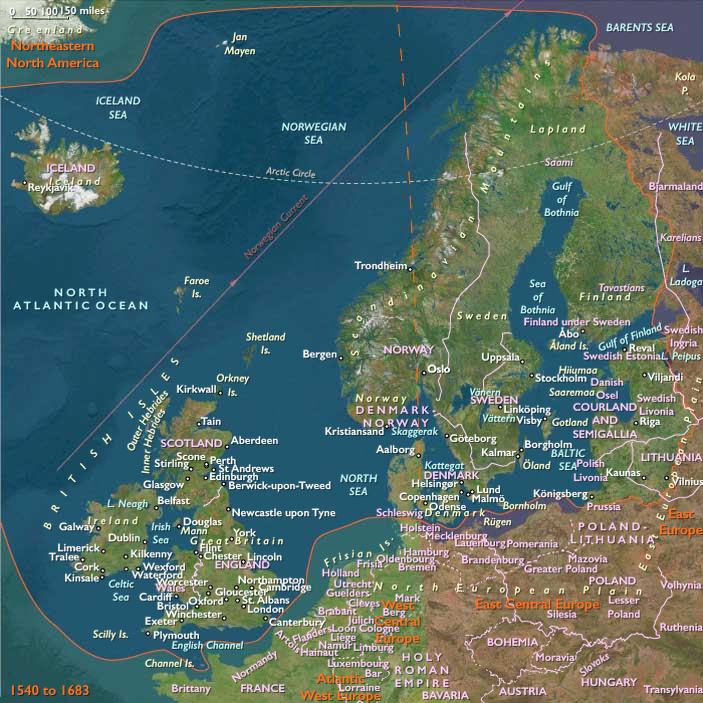
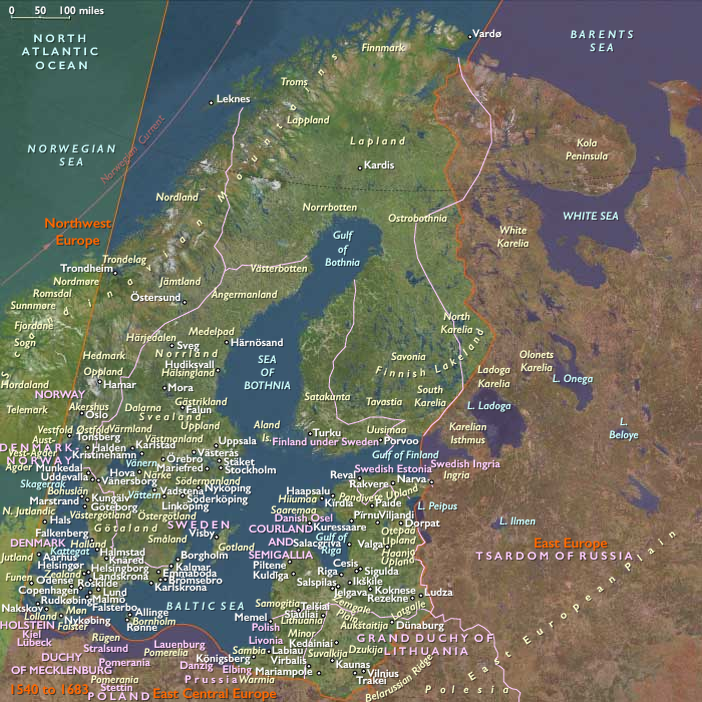
Between 1672 and 1683 CE, Northeast Europe experienced renewed regional rivalries, significant diplomatic shifts, and sustained cultural and economic developments. This era marked the maturation of Swedish absolutism, intensified Danish–Swedish tensions, continued cautious Muscovite expansion, and the steady economic and intellectual growth of urban centers.
Swedish Absolutism and Military Reforms
Under King Charles XI (r. 1672–1697), Sweden solidified its absolutist monarchy, strengthening royal authority through significant administrative and military reforms. Charles XI implemented a comprehensive military reorganization, bolstering Sweden’s defensive capabilities and reinforcing control over Baltic territories, notably Estonia, Livonia, Scania, and key urban centers like Reval (Tallinn), Riga, and Narva.
Danish–Swedish Rivalry and Strategic Maneuvering
Denmark–Norway, under King Christian V (r. 1670–1699), intensified efforts to counterbalance Sweden’s regional dominance. Strategic military preparations and diplomatic maneuvers characterized Danish policies, aiming to reclaim territories lost to Sweden and protect vital Baltic maritime interests, significantly increasing regional tensions.
Polish–Lithuanian Commonwealth's Continued Challenges
The Polish–Lithuanian Commonwealth, under King John III Sobieski (r. 1674–1696), struggled with internal political fragmentation and external pressures from Sweden, Muscovy, and the Ottoman Empire. Despite these challenges, Sobieski’s diplomatic skill and military successes stabilized the Commonwealth's territories, preserving its critical geopolitical role in Northeast Europe.
Muscovy’s Steady Expansion and Diplomacy
Under Tsar Alexis I until 1676, followed by his successor Feodor III, Muscovy maintained cautious territorial ambitions, gradually expanding influence in contested frontier regions. Strategic diplomatic engagements sought incremental gains without provoking large-scale conflicts, laying foundations for future territorial aspirations in the Baltic.
Prussian Consolidation and Economic Strength
The Duchy of Prussia, led by Frederick William I (the Great Elector), further consolidated internal governance, strengthened military capabilities, and maintained strategic neutrality. Königsberg and other Prussian cities flourished economically, reinforcing Prussia’s position as a stable and influential player amid broader regional tensions.
Economic Prosperity and Urban Stability
Major cities including Reval (Tallinn), Riga, Königsberg, and Visby continued to experience economic prosperity. Maritime commerce, active merchant communities, and efficient urban administration ensured sustained economic stability and integration, serving as significant regional economic anchors despite geopolitical uncertainties.
Cultural and Intellectual Continuity
Protestant educational institutions, particularly influenced by Lutheranism, continued flourishing, enhancing literacy rates, scholarly achievements, and cultural expression. Universities and academies supported ongoing intellectual innovation and cultural development, enriching Northeast Europe's cultural identity.
Scientific and Scholarly Developments
Northeast Europe maintained a robust tradition in scientific inquiry and scholarship, building upon intellectual legacies from earlier periods. Continued advancements in astronomy, mathematics, and natural sciences reinforced the region’s reputation as a significant center for early modern intellectual and scientific progress.
Diplomatic Complexity and Strategic Alliances
Diplomatic interactions during this era remained strategically complex, characterized by shifting alliances, cautious negotiations, and careful balancing of territorial ambitions. Relations among Sweden, Denmark–Norway, Poland–Lithuania, Muscovy, and Prussia demonstrated ongoing regional caution, highlighting the delicate diplomatic management necessary for maintaining regional stability.
Legacy of the Era
The period from 1672 to 1683 CE profoundly shaped Northeast Europe through intensified regional rivalries, diplomatic realignments, and sustained cultural and economic advancements. These developments significantly influenced subsequent historical trajectories, establishing enduring regional boundaries, political alliances, and cultural identities for future generations.
People
- Alexis Romanov
- Charles XI of Sweden
- Christian V
- Feodor III Alexeevich Romanov
- Frederick William, Elector of Brandenburg
- John III Sobieski
Groups
- Polytheism (“paganism”)
- Latvians, or Letts (Eastern Balts)
- Estonians
- Christians, Roman Catholic
- Finland under Swedish rule
- Crown of the Kingdom of Poland
- Lutheranism
- Sweden, (second) Kingdom of
- Prussia, Duchy of
- Denmark-Norway, Kingdom of
- Forest Finns
- Russia, Tsardom of
- Courland and Semigallia, Duchy of
- Swedish Empire
- Estonia, Duchy of (Swedish Estonia)
- Polish-Lithuanian Commonwealth (Commonwealth of the Two Nations)
- Finland, (Swedish) Grand Duchy of
- Ingria, Swedish
- Livonia, Swedish
- Pomerania, Swedish
Subjects
Regions
Subregions
Years: 1672 - 1683
People
- Alexis Romanov
- Charles XI of Sweden
- Christian V
- Feodor III Alexeevich Romanov
- Frederick William, Elector of Brandenburg
- John III Sobieski
Groups
- Polytheism (“paganism”)
- Latvians, or Letts (Eastern Balts)
- Estonians
- Christians, Roman Catholic
- Finland under Swedish rule
- Crown of the Kingdom of Poland
- Lutheranism
- Sweden, (second) Kingdom of
- Prussia, Duchy of
- Denmark-Norway, Kingdom of
- Forest Finns
- Russia, Tsardom of
- Courland and Semigallia, Duchy of
- Swedish Empire
- Estonia, Duchy of (Swedish Estonia)
- Polish-Lithuanian Commonwealth (Commonwealth of the Two Nations)
- Finland, (Swedish) Grand Duchy of
- Ingria, Swedish
- Livonia, Swedish
- Pomerania, Swedish
Subjects
Regions
Subregions