
Northeast Europe (1660–1671 CE): Consolidation of Power, …
Years: 1660 - 1671
Northeast Europe (1660–1671 CE): Consolidation of Power, Diplomatic Stability, and Cultural Growth
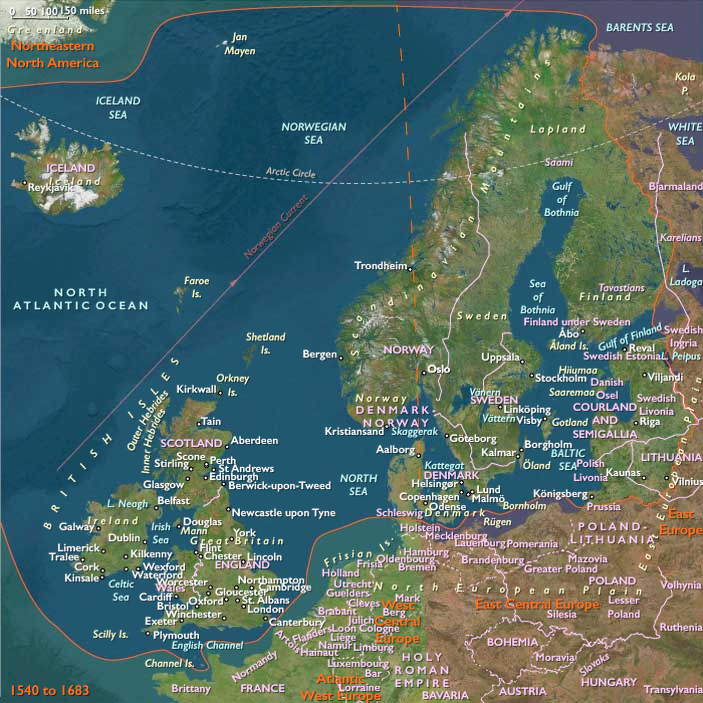
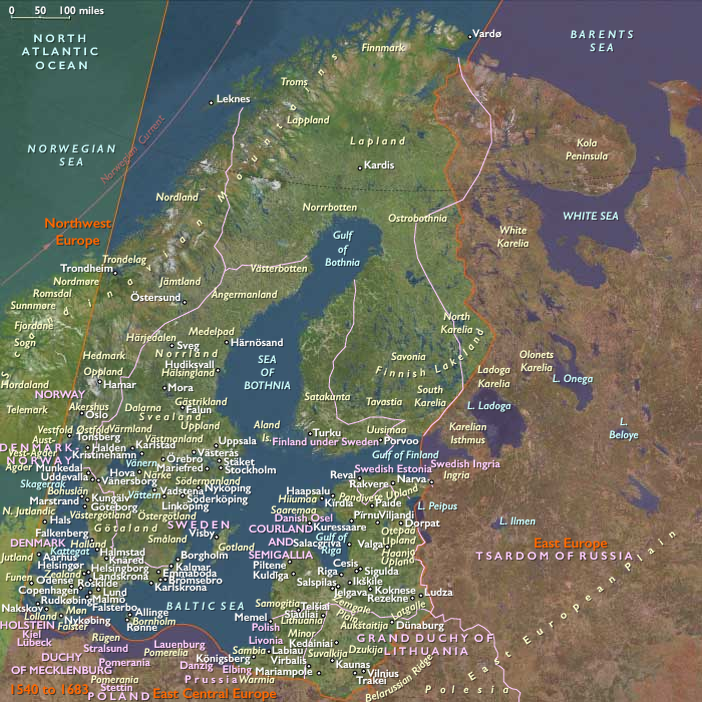
Between 1660 and 1671 CE, Northeast Europe transitioned into a period of relative stability following significant earlier conflicts, characterized by diplomatic consolidation, sustained Swedish power, cautious Muscovite ambitions, and cultural and economic growth. This period marked strategic realignments among regional powers and increased prosperity in urban centers.
Sweden's Territorial Consolidation and Governance
Under Charles XI (from 1660, with regency until 1672), Sweden continued consolidating its territorial acquisitions in Livonia, Estonia, Scania, and other Baltic territories secured through the Treaty of Roskilde (1658). Sweden enhanced administrative governance and military fortifications in key strategic cities, notably Reval (Tallinn), Riga, and Narva, reinforcing its status as the leading regional power.
Denmark–Norway’s Efforts Toward Stability
Following territorial losses to Sweden, Frederick III of Denmark–Norway concentrated on internal governance reforms, strengthening royal authority and stabilizing economic and social structures. Diplomatic efforts prioritized peace and strategic alliances to counterbalance continued Swedish dominance, setting foundations for future recovery.
Polish–Lithuanian Commonwealth's Internal Struggles and Stability Efforts
The Polish–Lithuanian Commonwealth, under John II Casimir Vasa until his abdication in 1668, grappled with ongoing internal divisions and external threats. Despite challenges, diplomatic initiatives and internal reforms aimed to restore administrative efficiency, military capabilities, and economic stability, cautiously preserving the Commonwealth’s regional influence.
Muscovy’s Strategic Preparations and Expansion
Under Tsar Alexis I, Muscovy steadily reinforced internal stability and administrative governance, cautiously preparing for future territorial expansions into contested regions. Diplomatic activities emphasized strategic patience, maintaining careful regional engagement, and gradually strengthening military capabilities in anticipation of future opportunities.
Prussian Neutrality and Economic Prosperity
The Duchy of Prussia, under Duke Frederick William I (the Great Elector), maintained strategic neutrality and strong internal governance, fostering continued economic growth. Königsberg and other Prussian cities flourished economically, reinforcing Prussia’s status as a stable and influential entity amid regional uncertainties.
Economic Flourishing in Major Urban Centers
Cities including Reval (Tallinn), Riga, Königsberg, and Visby continued thriving economically through robust maritime trade, strengthened merchant networks, and efficient urban governance. Their prosperity bolstered regional stability and facilitated economic integration, despite broader geopolitical complexities.
Cultural and Educational Development
Protestant educational and cultural institutions experienced sustained growth, particularly through Lutheran influences. Universities, academies, and scholarly societies flourished, advancing literacy rates, cultural expression, and intellectual discourse, significantly enriching Northeast Europe's cultural heritage.
Scientific Advancements and Intellectual Exchanges
Northeast Europe continued its strong tradition in science and scholarship, notably influenced by figures such as Tycho Brahe. Regional scholars significantly advanced astronomy, mathematics, and natural sciences, enhancing the area's reputation as a prominent center of intellectual and scientific innovation.
Strategic Diplomatic Realignments
Diplomatic interactions during this period reflected strategic caution and stability-oriented realignments. Regional powers, including Sweden, Denmark–Norway, Poland–Lithuania, Muscovy, and Prussia, engaged in careful diplomatic negotiations to balance territorial interests, maintain stability, and manage ongoing geopolitical tensions.
Legacy of the Era
The era from 1660 to 1671 CE profoundly influenced Northeast Europe's historical evolution through diplomatic consolidation, cautious territorial ambitions, and notable cultural achievements. These developments established enduring regional alignments, diplomatic relationships, and cultural identities, significantly shaping the region’s subsequent historical trajectory.
People
- Alexis Romanov
- Charles XI of Sweden
- Frederick III of Denmark
- Frederick William, Elector of Brandenburg
- John II Casimir Vasa
- Tycho Brahe
Groups
- Polytheism (“paganism”)
- Latvians, or Letts (Eastern Balts)
- Estonians
- Christians, Roman Catholic
- Finland under Swedish rule
- Hanseatic League
- Crown of the Kingdom of Poland
- Lutheranism
- Sweden, (second) Kingdom of
- Prussia, Duchy of
- Denmark-Norway, Kingdom of
- Forest Finns
- Russia, Tsardom of
- Estonia, Duchy of (Swedish Estonia)
- Courland and Semigallia, Duchy of
- Polish-Lithuanian Commonwealth (Commonwealth of the Two Nations)
- Finland, (Swedish) Grand Duchy of
- Ingria, Swedish
- Livonia, Swedish
- Pomerania, Swedish
Subjects
Regions
Subregions
Related Events
Showing 10 events out of 31243 total
Years: 1660 - 1671
People
- Alexis Romanov
- Charles XI of Sweden
- Frederick III of Denmark
- Frederick William, Elector of Brandenburg
- John II Casimir Vasa
- Tycho Brahe
Groups
- Polytheism (“paganism”)
- Latvians, or Letts (Eastern Balts)
- Estonians
- Christians, Roman Catholic
- Finland under Swedish rule
- Hanseatic League
- Crown of the Kingdom of Poland
- Lutheranism
- Sweden, (second) Kingdom of
- Prussia, Duchy of
- Denmark-Norway, Kingdom of
- Forest Finns
- Russia, Tsardom of
- Estonia, Duchy of (Swedish Estonia)
- Courland and Semigallia, Duchy of
- Polish-Lithuanian Commonwealth (Commonwealth of the Two Nations)
- Finland, (Swedish) Grand Duchy of
- Ingria, Swedish
- Livonia, Swedish
- Pomerania, Swedish
Subjects
Regions
Subregions