
Northeast Europe (1588–1599 CE): Post-War Stabilization, Continued …
Years: 1588 - 1599
Northeast Europe (1588–1599 CE): Post-War Stabilization, Continued Rivalries, and Cultural Flourishing
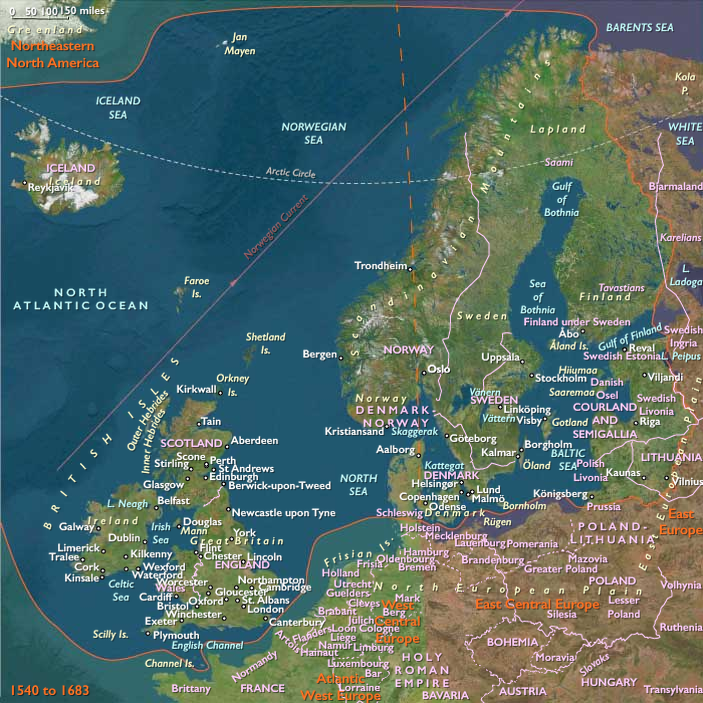
Between 1588 and 1599 CE, Northeast Europe transitioned from prolonged warfare to relative stabilization following the conclusion of the Livonian War. This period saw cautious diplomatic realignments, internal political consolidations, continued economic resilience, and significant cultural and intellectual developments, even as regional rivalries persisted.
Aftermath and Stabilization Following the Livonian War
The Treaty of Plussa (1583) and the Truce of Yam-Zapolsky (1582) ended hostilities, allowing Northeast Europe a brief respite from decades of warfare. Territories previously ravaged by conflict, especially in Livonia, began recovery processes through reconstruction and economic revitalization, although geopolitical tensions remained high among former combatants.
Swedish Consolidation and Governance in Estonia and Livonia
Under John III (r. until 1592) and subsequently his son Sigismund III Vasa, Sweden solidified its control over northern Livonia and Estonia. Sweden improved administrative governance, reinforced defensive fortifications in key cities such as Reval (Tallinn) and Narva, and encouraged continued settlement by communities like the Forest Finns, enhancing Sweden’s territorial stability and economic strength.
Polish–Lithuanian Commonwealth’s Internal Strength and Regional Influence
The Polish–Lithuanian Commonwealth under Sigismund III Vasa (r. from 1587) sought internal stability and consolidation of its extensive Livonian territories. The Commonwealth maintained effective administrative control, promoted economic recovery, and strengthened diplomatic relationships, solidifying its role as a central power influencing Northeast Europe’s geopolitical landscape.
Denmark–Norway’s Maritime and Diplomatic Ambitions
Under Christian IV (r. from 1588), Denmark–Norway actively strengthened its Baltic maritime interests. The kingdom invested in naval expansion, enhanced fortifications, and diplomatic initiatives aimed at balancing Swedish and Polish–Lithuanian influence, further complicating regional dynamics.
Muscovy’s Internal Challenges and Territorial Adjustments
Following the death of Ivan IV (the Terrible) in 1584 and the subsequent ascension of Feodor I, Muscovy grappled with significant internal governance challenges. Despite diplomatic truces, Muscovy continued strategic preparations aimed at future territorial revisions, maintaining regional tension.
Economic Stability and Growth in the Duchy of Prussia
Under Duke Albert Frederick, the secularized Duchy of Prussia sustained political neutrality, robust internal governance, and continued economic prosperity, particularly through thriving urban centers like Königsberg. Prussia’s strategic diplomatic neutrality and economic strength provided regional stability amidst surrounding geopolitical shifts.
Continued Economic Vitality of Urban Centers
Major urban centers such as Reval (Tallinn), Riga, Königsberg, and Visby on Gotland furthered their economic resilience. Stable maritime commerce, active merchant networks, and effective urban governance fostered regional prosperity and helped recover from the war’s disruptions.
Cultural, Educational, and Religious Flourishing
Protestantism, especially Lutheranism, deepened its influence, driving further educational reforms and cultural developments. Schools and universities flourished, promoting literacy, intellectual advancements, and cultural production across Northeast Europe. However, religious tensions, particularly between Protestant and Catholic communities, continued to influence internal and external politics significantly.
Intellectual and Scientific Contributions
The region continued to benefit from intellectual advancements, exemplified by the continuing impact of Danish astronomer Tycho Brahe, whose meticulous astronomical observations remained influential, setting the stage for future scientific developments and consolidating Northeast Europe as a significant center of scholarly activity.
Diplomatic Realignments and Strategic Maneuvering
Diplomatic interactions remained intricate as regional powers navigated post-war realities. Negotiations and alliances sought to balance territorial interests, mitigate ongoing rivalries, and secure lasting stability, reflecting continued geopolitical caution among major powers.
Legacy of the Era
The era from 1588 to 1599 CE significantly shaped Northeast Europe's trajectory through post-war stabilization, cultural advancements, and continued diplomatic complexity. These developments laid critical foundations for subsequent regional stability, territorial delineations, and cultural identities, guiding Northeast Europe into the seventeenth century.
People
- Albert Frederick, Duke of Prussia
- Christian IV
- Feodor I of Russia
- Ivan IV
- John III Vasa
- Sigismund III Vasa
- Tycho Brahe
Groups
- Polytheism (“paganism”)
- Latvians, or Letts (Eastern Balts)
- Estonians
- Christians, Roman Catholic
- Finland under Swedish rule
- Hanseatic League
- Crown of the Kingdom of Poland
- Lutheranism
- Sweden, (second) Kingdom of
- Prussia, Duchy of
- Denmark-Norway, Kingdom of
- Forest Finns
- Russia, Tsardom of
- Estonia, Duchy of (Swedish Estonia)
- Courland and Semigallia, Duchy of
- Livonia, Duchy of (Polish Estonia and Latvia)
- Polish-Lithuanian Commonwealth (Commonwealth of the Two Nations)
- Finland, (Swedish) Grand Duchy of
- Ingria, Swedish
Topics
Subjects
Regions
Subregions

Years: 1588 - 1599
People
- Albert Frederick, Duke of Prussia
- Christian IV
- Feodor I of Russia
- Ivan IV
- John III Vasa
- Sigismund III Vasa
- Tycho Brahe
Groups
- Polytheism (“paganism”)
- Latvians, or Letts (Eastern Balts)
- Estonians
- Christians, Roman Catholic
- Finland under Swedish rule
- Hanseatic League
- Crown of the Kingdom of Poland
- Lutheranism
- Sweden, (second) Kingdom of
- Prussia, Duchy of
- Denmark-Norway, Kingdom of
- Forest Finns
- Russia, Tsardom of
- Estonia, Duchy of (Swedish Estonia)
- Courland and Semigallia, Duchy of
- Livonia, Duchy of (Polish Estonia and Latvia)
- Polish-Lithuanian Commonwealth (Commonwealth of the Two Nations)
- Finland, (Swedish) Grand Duchy of
- Ingria, Swedish
Topics
Subjects
Regions
Subregions