
Northeast Europe (1576–1587 CE): Climactic Phases of …
Years: 1576 - 1587
Northeast Europe (1576–1587 CE): Climactic Phases of the Livonian War and Geopolitical Realignments
Between 1576 and 1587 CE, Northeast Europe experienced the climactic phases of the Livonian War, marked by complex geopolitical rivalries, continued territorial reconfigurations, and strategic diplomatic realignments. This era significantly impacted the region’s political structures, economic vitality, and cultural transformations, laying foundations for future stability.
Climax of the Livonian War
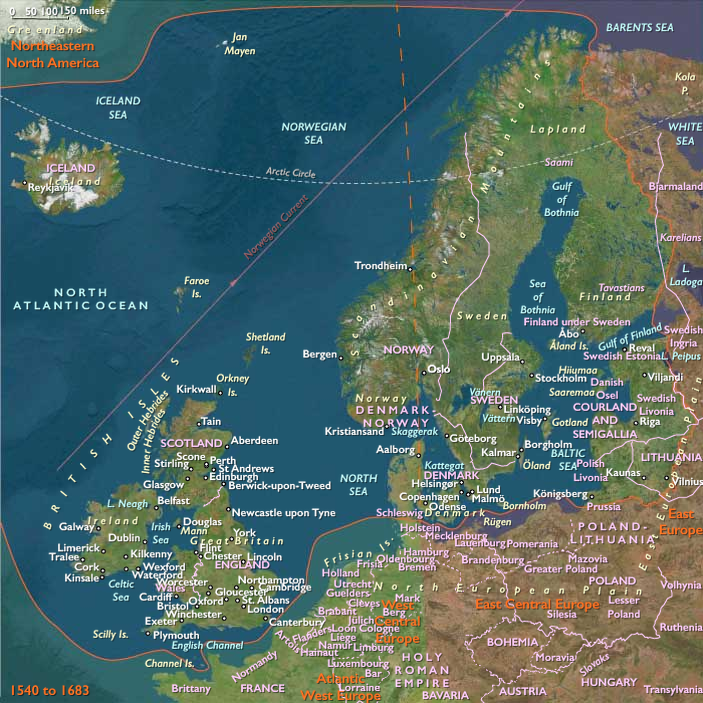
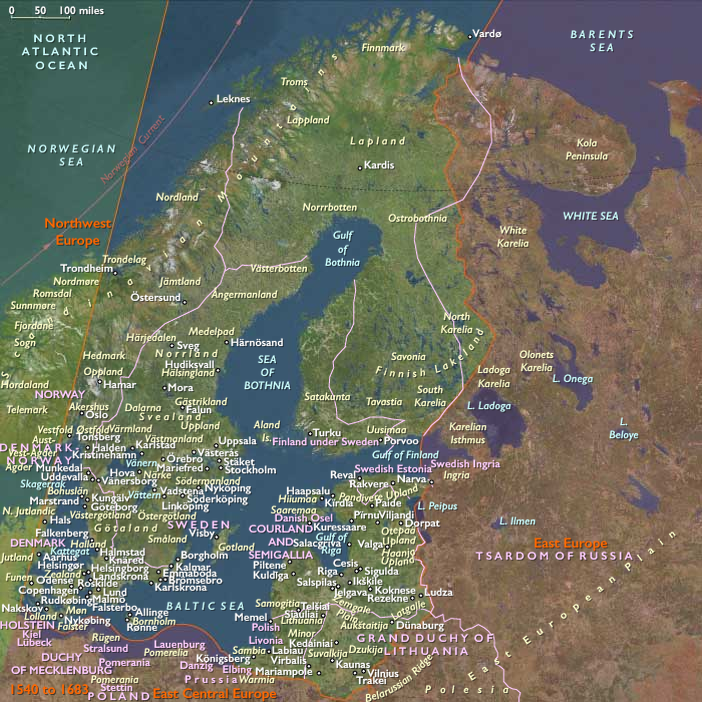
The Livonian War (1558–1583) reached its decisive stages during this period, with continuing military engagements among Muscovy, Sweden, Denmark–Norway, and the Polish–Lithuanian Commonwealth. Persistent warfare devastated Livonian territories, causing profound demographic and economic disruptions. The prolonged conflict ultimately exhausted regional resources, prompting major powers to seek strategic resolutions.
Polish–Lithuanian Commonwealth’s Ascendance
Under King Stefan Batory (r. 1576–1586), the Polish–Lithuanian Commonwealth strengthened its position in Livonia through decisive military victories against Muscovy, including the successful siege of Polotsk (1579) and the strategic campaigns of 1580–1581. These successes significantly enhanced Polish–Lithuanian dominance in Livonia, consolidating southern territories and establishing stronger administrative control, thus shaping regional geopolitics.
Swedish Consolidation and Expansion
Sweden, under King John III, consolidated territorial control over northern Livonia and Estonia, reinforcing strategic fortifications in critical cities like Reval (Tallinn) and Narva. Swedish administrative reforms and fortified defenses safeguarded economic interests and provided stability, allowing continued colonization and settlement efforts, notably involving Forest Finns, thus strengthening Sweden's geopolitical influence along the eastern Baltic.
Danish–Norwegian Influence and Maritime Interests
Under Frederick II, Denmark–Norway remained deeply engaged in Baltic geopolitics, securing strategic maritime routes and contesting Swedish and Polish–Lithuanian ambitions. Danish influence in Courland and Baltic islands strengthened through active diplomacy and naval deployments, further intensifying regional rivalries.
Muscovite Setbacks and Territorial Adjustments
Muscovy, under Ivan IV (the Terrible), faced significant setbacks during this era. Repeated military defeats and internal administrative challenges weakened Muscovite positions in Livonia. Muscovy’s territorial ambitions suffered crucial limitations, prompting diplomatic negotiations and shifts in strategy to mitigate losses.
Stability and Economic Growth in the Duchy of Prussia
The secularized Duchy of Prussia, under Duke Albert Frederick, continued maintaining cautious neutrality, promoting internal stability and economic growth, particularly in urban centers like Königsberg. Its strategic location enabled sustained economic prosperity despite broader regional instability, positioning Prussia favorably within the shifting geopolitical landscape.
Economic Resilience in Major Urban Centers
Key cities such as Reval (Tallinn), Riga, Königsberg, and Visby on Gotland maintained economic resilience through sustained maritime commerce and robust merchant networks. These urban economies provided crucial regional stability, mitigating adverse impacts from ongoing military conflicts and geopolitical uncertainty.
Religious and Cultural Developments
Protestantism, especially Lutheranism, solidified further across Northeast Europe, significantly reshaping educational practices, cultural identities, and social institutions. Meanwhile, Catholic–Protestant tensions remained prevalent, influencing political alliances, internal governance, and regional diplomacy.
Scientific and Intellectual Advancements
Advancements continued through intellectual figures such as Danish astronomer Tycho Brahe, whose astronomical research during this period furthered understanding of celestial mechanics, solidifying Northeast Europe’s role as an emerging center of scientific and intellectual development.
Diplomatic Realignments and Peace Negotiations
Diplomatic negotiations intensified significantly as regional powers sought to end protracted conflicts. Complex diplomatic maneuvers culminated in preliminary peace negotiations, setting the stage for eventual resolutions and redefined territorial boundaries. These efforts marked significant strategic shifts among regional powers, reflecting emerging geopolitical realignments.
Legacy of the Era
The era from 1576 to 1587 CE profoundly shaped Northeast Europe's historical trajectory, characterized by decisive military outcomes, strategic territorial adjustments, and sustained economic and intellectual developments. These dynamics laid crucial foundations for future political stability, territorial configurations, and cultural identities, influencing the region significantly into the seventeenth century.
People
- Albert Frederick, Duke of Prussia
- Frederick II of Denmark-Norway
- Ivan IV
- John III Vasa
- Stephen Báthory
- Tycho Brahe
Groups
- Polytheism (“paganism”)
- Latvians, or Letts (Eastern Balts)
- Estonians
- Christians, Roman Catholic
- Finland under Swedish rule
- Hanseatic League
- Crown of the Kingdom of Poland
- Lutheranism
- Sweden, (second) Kingdom of
- Prussia, Duchy of
- Denmark-Norway, Kingdom of
- Forest Finns
- Russia, Tsardom of
- Estonia, Duchy of (Swedish Estonia)
- Courland and Semigallia, Duchy of
- Livonia, Duchy of (Polish Estonia and Latvia)
- Polish-Lithuanian Commonwealth (Commonwealth of the Two Nations)
- Livonia, Kingdom of
- Finland, (Swedish) Grand Duchy of
- Ingria, Swedish
Topics
Subjects
Regions
Subregions
Years: 1576 - 1587
People
- Albert Frederick, Duke of Prussia
- Frederick II of Denmark-Norway
- Ivan IV
- John III Vasa
- Stephen Báthory
- Tycho Brahe
Groups
- Polytheism (“paganism”)
- Latvians, or Letts (Eastern Balts)
- Estonians
- Christians, Roman Catholic
- Finland under Swedish rule
- Hanseatic League
- Crown of the Kingdom of Poland
- Lutheranism
- Sweden, (second) Kingdom of
- Prussia, Duchy of
- Denmark-Norway, Kingdom of
- Forest Finns
- Russia, Tsardom of
- Estonia, Duchy of (Swedish Estonia)
- Courland and Semigallia, Duchy of
- Livonia, Duchy of (Polish Estonia and Latvia)
- Polish-Lithuanian Commonwealth (Commonwealth of the Two Nations)
- Livonia, Kingdom of
- Finland, (Swedish) Grand Duchy of
- Ingria, Swedish
Topics
Subjects
Regions
Subregions