
Northeast Europe (1204–1215 CE): Livonian Crusade, Conquest, …
Years: 1204 - 1215
Northeast Europe (1204–1215 CE): Livonian Crusade, Conquest, and Baltic Defiance
Introduction
Between 1204 and 1215 CE, Northeast Europe entered a transformative period marked by the formal intensification of the Livonian Crusade, significant territorial conquests, and resolute Baltic resistance. This era dramatically reshaped the region through coordinated Danish and German military actions, further Swedish expansion, and the determined defense by local Baltic tribes.
The Livonian Crusade and Military Colonization
The Livonian Crusade, constituting the German and Danish conquest and colonization of medieval Livonia (modern-day Latvia and Estonia), accelerated during this period. Prompted by Pope Celestine III's call in 1193, these campaigns represented the final major wave of forced Christianization in Europe, targeting pagan peoples along the Baltic's eastern shores—among Europe's last non-Christian communities.
Danish King Valdemar II "the Victorious" (r. 1202–1241) significantly advanced Danish interests by establishing control over key Estonian territories. Simultaneously, the German Livonian Brothers of the Sword solidified their presence by establishing and fortifying strategic outposts, notably the city of Riga (founded in 1201), which quickly became a critical military and trading hub.
Danish and German Territorial Gains
Under Valdemar II, Denmark expanded aggressively into Estonia, successfully subjugating significant areas of northern Estonia, laying the groundwork for long-term Danish control. German crusaders, working closely with the Danes, targeted southern regions, systematically subduing and converting local populations such as the Livs and Latgallians, establishing enduring crusader states that dramatically reshaped local political structures.
Swedish Colonization and Baltic Estrangement
Swedish expansion into southern Finland continued robustly, furthering colonization and Christian missionary efforts. This growth in Swedish presence accelerated the cultural and political estrangement of Estonians south of the Gulf of Finland from their Finnish kinsmen to the north, setting distinct trajectories for these culturally related yet increasingly separated communities.
Baltic Resistance and Enduring Defiance
The Baltic peoples, particularly the Estonians, Latvians, Lithuanians, and Curonians, vigorously resisted the crusaders' advances. Tribes fortified strategic locations, formed defensive alliances, and launched effective counterattacks. Their resistance delayed and complicated crusader expansion, exemplifying persistent defiance against foreign domination.
Economic and Urban Development
The era witnessed significant economic development and urban expansion. Riga, newly founded by German crusaders, rapidly became a pivotal economic center in the Baltic region. Simultaneously, traditional trading hubs like Visby on Gotland further consolidated their position as influential commercial and maritime centers, linking Scandinavia, German territories, and the broader Baltic region.
Ecclesiastical Influence and Cultural Integration
Christian ecclesiastical institutions, led by powerful bishops and supported by monastic orders, rapidly expanded their influence. They oversaw the systematic conversion of local populations, integrating them into Latin Christendom. Riga became an influential ecclesiastical hub, significantly facilitating cultural and religious transformation throughout Livonia.
Legacy of the Era
The years 1204–1215 CE profoundly reshaped Northeast Europe through the intensification of the Livonian Crusade, dramatic military conquests, and steadfast Baltic resistance. This era firmly established Christian rule and cultural dominance in the region, laying crucial foundations for subsequent political, social, and religious dynamics that would persist for centuries.
People
Groups
- Polytheism (“paganism”)
- Prussians, Old, or Baltic (Western Balts)
- Finns
- Curonians (Western Balts)
- Latgalians (Eastern Balts)
- Latvians, or Letts (Eastern Balts)
- Lithuanians (Eastern Balts)
- Estonians
- Livs
- Estonia, independent
- Denmark, Kingdom of
- Norway, independent Kingdom of
- Hanseatic league (informally organized)
- Sweden, Kingdom of
- Christians, Roman Catholic
- Finland under Swedish rule
- Riga, Bishopric/Archbishopric of
- Teutonic Knights of Acre (House of the Hospitalers of Saint Mary of the Teutons in Jerusalem)
- Knights of the Sword (Order of the Livonian Brothers of the Sword, or Livonian Knights)
- Terra Mariana (Livonian Confederation)
Topics
Subjects
Regions
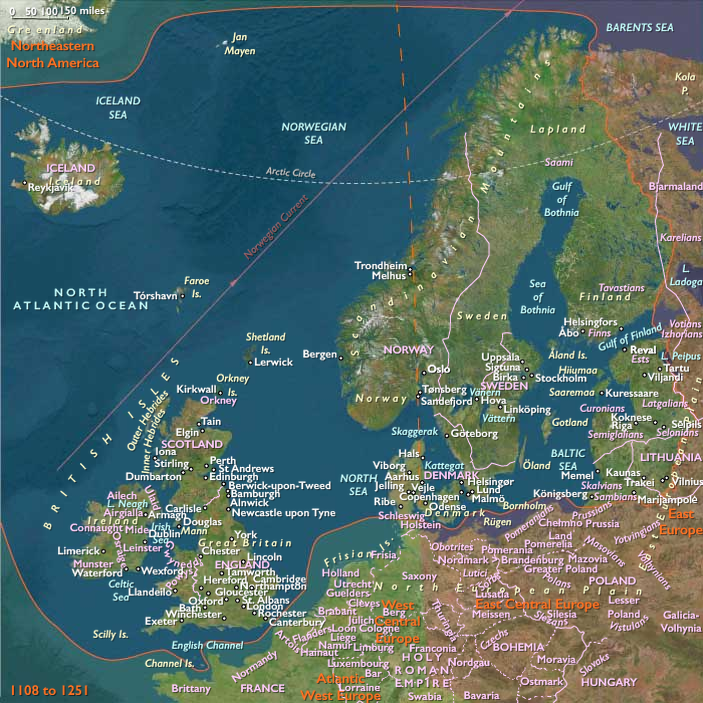
Subregions
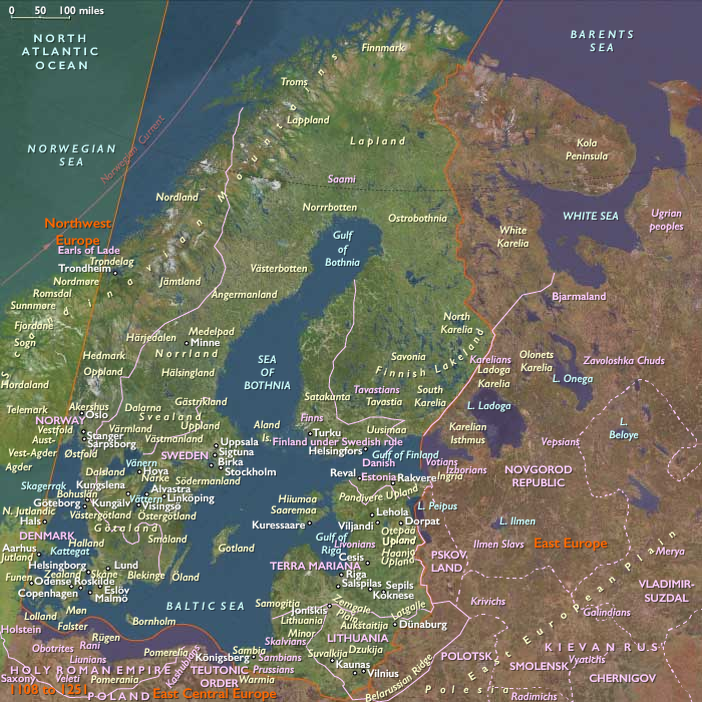
Related Events
Showing 1 events out of 1 total
Years: 1204 - 1215
People
Groups
- Polytheism (“paganism”)
- Prussians, Old, or Baltic (Western Balts)
- Finns
- Curonians (Western Balts)
- Latgalians (Eastern Balts)
- Latvians, or Letts (Eastern Balts)
- Lithuanians (Eastern Balts)
- Estonians
- Livs
- Estonia, independent
- Denmark, Kingdom of
- Norway, independent Kingdom of
- Hanseatic league (informally organized)
- Sweden, Kingdom of
- Christians, Roman Catholic
- Finland under Swedish rule
- Riga, Bishopric/Archbishopric of
- Teutonic Knights of Acre (House of the Hospitalers of Saint Mary of the Teutons in Jerusalem)
- Knights of the Sword (Order of the Livonian Brothers of the Sword, or Livonian Knights)
- Terra Mariana (Livonian Confederation)
Topics
Subjects
Regions
Subregions