
Northeast Europe (1192–1203 CE): Northern Crusades, Military …
Years: 1192 - 1203
Northeast Europe (1192–1203 CE): Northern Crusades, Military Conquest, and Baltic Transformation
Introduction
Between 1192 and 1203 CE, Northeast Europe entered a decisive phase marked by the formal initiation and escalation of the Northern Crusades, territorial expansion by Scandinavian kingdoms, and sustained resistance by the pagan Baltic tribes. This era profoundly transformed the region through military conquest, forced conversions, and the establishment of enduring Christian domains.
Formalization of the Northern Crusades
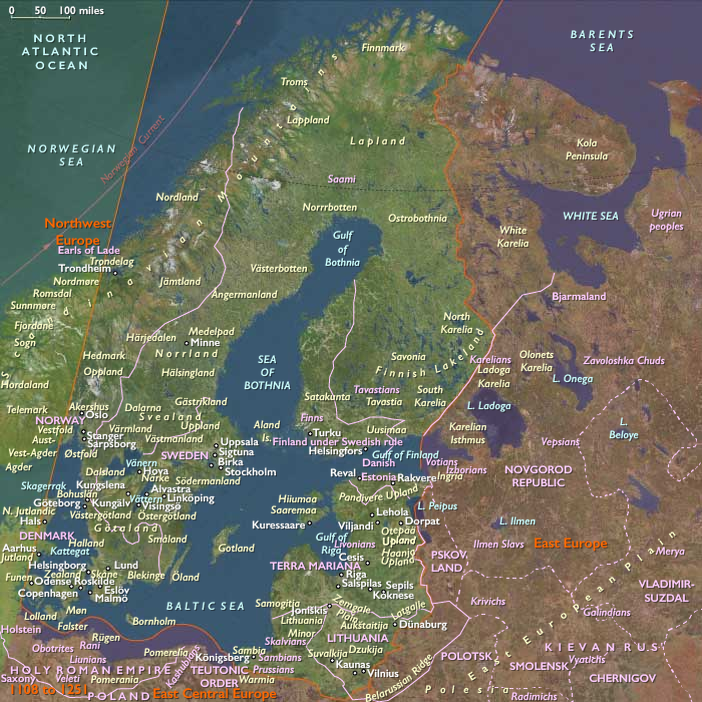
The official commencement of the Northern Crusades was marked by Pope Celestine III's call in 1193, which aimed explicitly at forcibly converting pagan peoples along the southern and eastern shores of the Baltic Sea. Although Scandinavian kingdoms and the Holy Roman Empire had begun subjugating neighboring pagan populations, such as the Polabian Wends, Sorbs, and Obotrites, notably beginning with the Wendish Crusade in 1147, this papal endorsement intensified and legitimated further military campaigns.
The Catholic kings of Denmark and Sweden, the German Livonian and Teutonic military orders, and their allies increasingly coordinated their efforts, aggressively extending Christian rule through conquest, conversion, and military occupation of Baltic territories.
Danish and German Military Advances
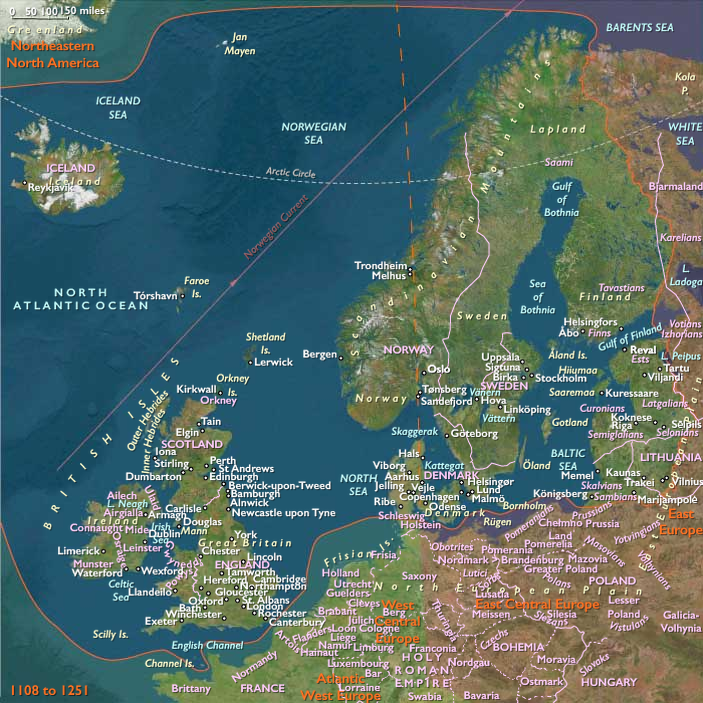
Denmark under King Canute VI (r. 1182–1202) significantly expanded its territorial ambitions, consolidating control along the southern Baltic coast, including strategic points in modern-day Pomerania and the island of Rügen. Danish and German forces systematically targeted pagan tribes, including the Livs, Latgallians, and Estonians, initiating a long period of forced conversion, occupation, and cultural transformation.
The German crusading orders, notably the Livonian Brothers of the Sword, established strong fortifications and military outposts, greatly enhancing their capability to subjugate local populations and sustain military dominance.
Swedish Crusading and Expansion
Swedish campaigns continued vigorously, focusing notably on southern Finland and intermittently against neighboring Russian territories. Although many of these military campaigns would later be characterized as crusades by romantic nationalist historians in the nineteenth century, contemporary motivations included territorial expansion, control over trade routes, and the propagation of Christianity. These efforts significantly accelerated Swedish colonization in southern Finland and deepened cultural separation between Finnish populations and their southern Baltic kin, particularly the Estonians.
Baltic Resistance and Military Occupation
Pagan tribes such as the Semigallians, Curonians, Prussians, and the Finns faced relentless military campaigns. Defeat often led to forced baptism, military occupation, or in severe cases, extermination. However, Baltic populations remained defiant, fiercely defending their territories through organized alliances, guerilla tactics, and sustained fortifications, despite significant territorial losses.
Economic Growth and Urban Expansion
Economic vitality continued to rise, with trading hubs like Visby on Gotland strengthening their roles as centers of commerce between Scandinavia, German territories, and Baltic lands. Danish cities such as Roskilde and Lund flourished due to increased royal investment, thriving merchant guilds, and expanding urban infrastructure that supported growing trade networks.
Ecclesiastical Influence and Cultural Consolidation
The influence of the Catholic Church significantly increased with expanding crusader-controlled territories. Monastic communities, particularly Cistercian establishments, grew extensively, providing education, legal structures, and cultural institutions. Clerical authorities became pivotal figures in newly conquered regions, advancing Christianization and integrating Baltic territories more deeply into the broader Latin Christian cultural sphere.
Legacy of the Era
The era from 1192 to 1203 CE was transformative, permanently reshaping Northeast Europe's cultural, political, and religious landscapes. The initiation and escalation of the Northern Crusades dramatically altered the region through military conquest and forced religious conversion, setting patterns of interaction and conflict that would persist for centuries. Baltic resistance persisted, even as the foundations for enduring Christian political and cultural dominance were established.
People
Groups
- Polytheism (“paganism”)
- Prussians, Old, or Baltic (Western Balts)
- Finns
- Latgalians (Eastern Balts)
- Latvians, or Letts (Eastern Balts)
- Lithuanians (Eastern Balts)
- Estonians
- Livs
- Semigallians (Eastern Balts)
- Curonians (Western Balts)
- Estonia, independent
- Denmark, Kingdom of
- Norway, independent Kingdom of
- Hanseatic league (informally organized)
- Sweden, Kingdom of
- Christians, Roman Catholic
- Cistercians, Order of the (White Friars)
- Finland under Swedish rule
- Teutonic Knights of Acre (House of the Hospitalers of Saint Mary of the Teutons in Jerusalem)
Topics
Subjects
Regions
Subregions
Years: 1192 - 1203
People
Groups
- Polytheism (“paganism”)
- Prussians, Old, or Baltic (Western Balts)
- Finns
- Latgalians (Eastern Balts)
- Latvians, or Letts (Eastern Balts)
- Lithuanians (Eastern Balts)
- Estonians
- Livs
- Semigallians (Eastern Balts)
- Curonians (Western Balts)
- Estonia, independent
- Denmark, Kingdom of
- Norway, independent Kingdom of
- Hanseatic league (informally organized)
- Sweden, Kingdom of
- Christians, Roman Catholic
- Cistercians, Order of the (White Friars)
- Finland under Swedish rule
- Teutonic Knights of Acre (House of the Hospitalers of Saint Mary of the Teutons in Jerusalem)
Topics
Subjects
Regions
Subregions