
Northeast Europe (1144–1155 CE): Royal Power, Early …
Years: 1144 - 1155
Northeast Europe (1144–1155 CE): Royal Power, Early Northern Crusades, and Emerging Conflict
Introduction
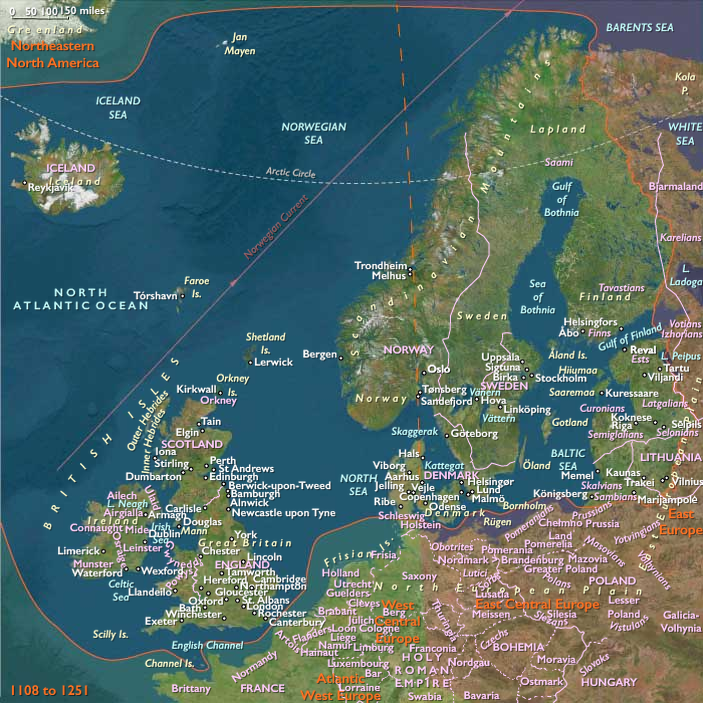
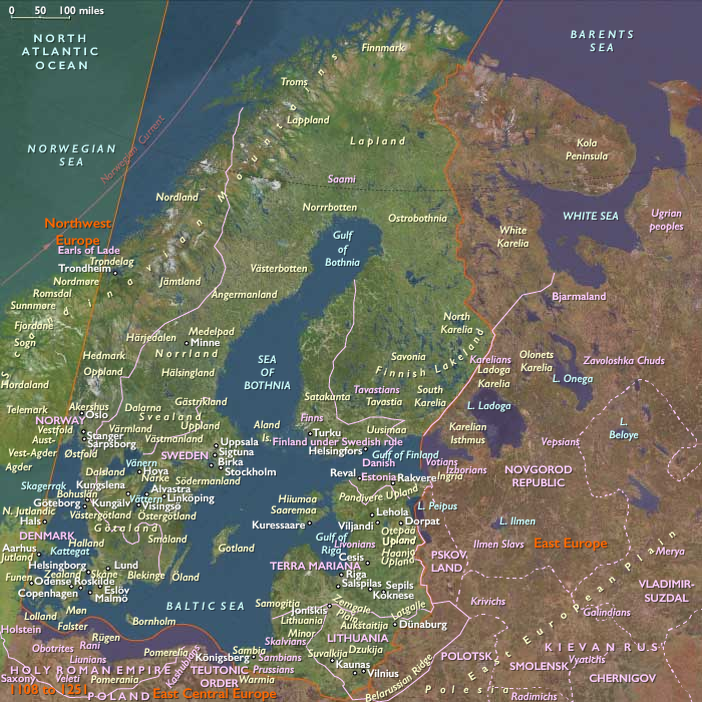
Between 1144 and 1155 CE, Northeast Europe was shaped by intensified crusading zeal, consolidation of royal power, and growing conflict between Christian kingdoms and neighboring pagan tribes. This era witnessed the formal beginnings of the Northern Crusades, aimed at forcibly converting Baltic peoples to Christianity, significantly influencing future regional dynamics.
Strengthening of Royal Authority
In Denmark, following the turbulent reign and death of King Erik Emune (r. 1134–1137), his successor King Sweyn III Grathe (r. 1146–1157) struggled to maintain central authority amid persistent dynastic rivalry. Noble factions competed fiercely, weakening Denmark internally and diverting resources toward political conflict rather than external expansion.
In Sweden, King Sverker I (r. ca. 1130–1156) strengthened royal governance by consolidating control over previously fragmented territories. Sverker's reign stabilized internal politics, providing conditions conducive to early crusading missions and territorial consolidation.
Commencement of the Northern Crusades
This era marked the formal onset of the Northern Crusades, beginning around 1147, driven primarily by German crusaders and Scandinavian monarchs. These crusades targeted the forcibly conversion of pagan tribes including the Slavs, Balts, Estonians, and Finns to Christianity. The military and religious campaigns initiated in this era continued for centuries, profoundly shaping the political and cultural landscape of the Baltic region.
Notably, the legendary First Swedish Crusade around 1155, led by King Erik IX ("Saint Erik") and Bishop Henry of Uppsala, focused on Finland. Although historical specifics are limited and steeped in later tradition, this expedition symbolized Sweden's burgeoning ambitions for territorial and religious expansion eastward.
Economic Expansion and Urban Growth
Urbanization advanced notably during this period. The strategic trading center of Visby on Gotland enhanced its prominence as a key node in Baltic commerce. Additionally, Danish cities such as Roskilde and Lund saw incremental growth driven by thriving trade networks and merchant activities, foreshadowing their later centrality in regional economic life.
Baltic Resistance and Fortifications
Baltic tribes—including ancestors of modern Estonians, Latvians, and Lithuanians—resisted fiercely against incursions from crusaders. Fortified settlements expanded considerably, and local populations demonstrated a readiness to repel external threats. This active resistance laid the foundations for enduring regional conflicts, as Baltic tribes sought to preserve their autonomy and traditional beliefs against mounting external pressures.
Ecclesiastical Influence and Cultural Expansion
Ecclesiastical institutions, particularly monastic foundations such as the Cistercians, gained further prominence, fostering education, literacy, and religious reforms. The Church significantly shaped regional cultural norms, legal systems, and political institutions, reinforcing Christian influence in local governance.
Legacy of the Era
The era 1144–1155 CE critically impacted Northeast Europe's historical trajectory through intensified royal ambitions, the onset of the Northern Crusades, and persistent Baltic resistance. These developments initiated enduring patterns of religious conflict, territorial expansion, and cultural interaction that profoundly influenced Northeast Europe for generations to follow.
People
- Eric II of Denmark
- Eric IX of Sweden
- Henry (bishop of Finland)
- Sverker I of Sweden
- Sweyn III of Denmark
Groups
- Polytheism (“paganism”)
- Finns
- Balts
- Latvians, or Letts (Eastern Balts)
- Lithuanians (Eastern Balts)
- Estonians
- Estonia, independent
- Slavs, West
- Denmark, Kingdom of
- Norway, independent Kingdom of
- Hanseatic league (informally organized)
- Sweden, Kingdom of
- Christians, Roman Catholic
- Cistercians, Order of the (White Friars)
- Finland under Swedish rule
Topics
Subjects
Regions
Subregions
Years: 1144 - 1155
People
- Eric II of Denmark
- Eric IX of Sweden
- Henry (bishop of Finland)
- Sverker I of Sweden
- Sweyn III of Denmark
Groups
- Polytheism (“paganism”)
- Finns
- Balts
- Latvians, or Letts (Eastern Balts)
- Lithuanians (Eastern Balts)
- Estonians
- Estonia, independent
- Slavs, West
- Denmark, Kingdom of
- Norway, independent Kingdom of
- Hanseatic league (informally organized)
- Sweden, Kingdom of
- Christians, Roman Catholic
- Cistercians, Order of the (White Friars)
- Finland under Swedish rule
Topics
Subjects
Regions
Subregions