
Northeast Asia (2008–2019 CE) Strategic Development, …
Years: 2008 - 2019
Northeast Asia (2008–2019 CE)
Strategic Development, Cultural Preservation, and New Ethnohistorical Insights
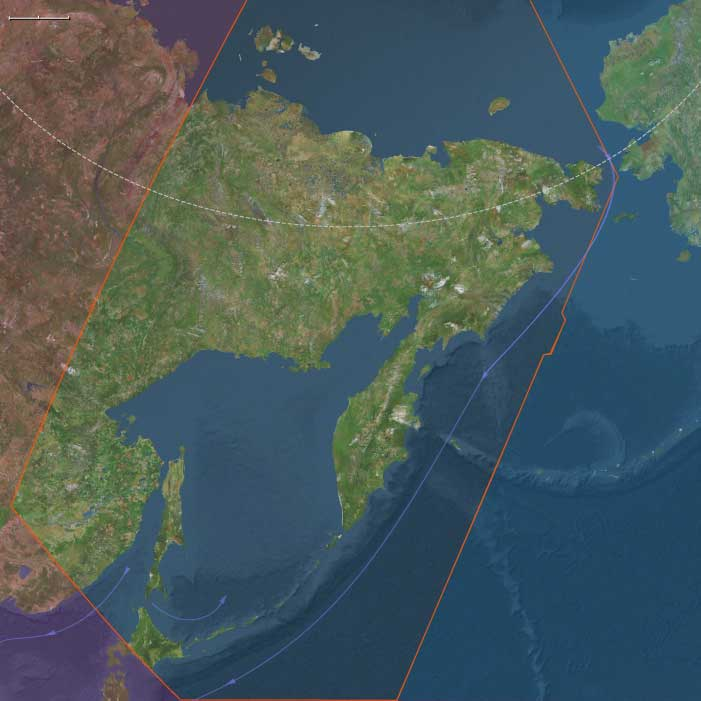
From 2008 to 2019, Northeast Asia—comprising eastern Siberia (east of 130°E), northeastern China's Heilongjiang province, northern Primorsky Krai, and most of Hokkaido, excluding its southwestern portion—continued on a trajectory defined by strategic economic developments, intensified cultural preservation, groundbreaking ethnological research, and mounting environmental concerns.
Economic integration within the region accelerated, driven primarily by China's ambitious Belt and Road Initiative (BRI). The initiative significantly impacted Heilongjiang province and Primorsky Krai, facilitating infrastructure projects, including railways, highways, and logistics hubs. Vladivostok emerged prominently as a focal point for economic cooperation, hosting the Eastern Economic Forum annually from 2015, attracting significant international participation and investment.
Japan persisted in diplomatic dialogues with Russia regarding the contested Kuril Islands. Despite intermittent high-level discussions, including meetings between leaders Shinzo Abe and Vladimir Putin, a resolution remained unattained. Nonetheless, the dialogues spurred increased cultural exchanges and economic partnerships between Hokkaido and adjacent Russian regions, particularly in tourism, fisheries, and energy development.
Indigenous peoples, notably the Evenki, Chukchi, Koryaks, Itelmen, Oroks, Nivkhs, and other groups, further advanced their advocacy for recognition and rights. The creation of Kamchatka Krai in 2007—consolidating Kamchatka Oblast and the Koryak Autonomous Okrug—began yielding improved administrative oversight, though challenges in governance and socioeconomic disparities persisted. Efforts to preserve indigenous cultural practices and languages increased, supported by regional and international initiatives aimed at protecting cultural heritage and promoting sustainable development.
New ethnological and linguistic research provided significant insights into the historical migrations and relationships among indigenous populations. Studies showed that the Chukchi are a relatively recent people who separated from the Koryaks between 800 and 1,000 years ago. The Koryaks themselves emerged from the Tokarev archaeological culture, which inhabited southern Kamchatka between 2,800 and 1,500 years ago. DNA research revealed that Proto-Koryaks migrated from the Lower Amur Valley, historically connected to the Baikal region via river systems. Furthermore, linguistic analysis highlighted the Nivkh as the sole surviving speakers of the Amuric language group, linking them to the ancient Amurian Civilization, instrumental in populating Northeast Asia's coastal territories.
Environmental challenges became increasingly pronounced during this era, highlighting vulnerabilities posed by climate change, biodiversity loss, and pollution. Severe wildfires in Siberia, declining fish stocks, and threats to critical habitats underscored the urgency for comprehensive environmental policies. Conservation groups intensified their efforts, collaborating with governments and local communities to establish protected areas and implement sustainable resource management practices.
The region's economic progress frequently clashed with environmental sustainability, as rapid industrial expansion continued to exert significant ecological pressures. Indigenous communities advocated for balanced development approaches, emphasizing the interconnectedness of environmental health, cultural preservation, and economic sustainability.
By 2019, Northeast Asia remained a dynamic region defined by strategic economic initiatives, rich ethnohistorical discoveries, cultural resilience, and environmental challenges. These interconnected factors underscored the need for cooperative governance, sustainable practices, and ongoing dialogue among regional stakeholders, setting the foundation for future stability and integrated growth.
People
Groups
- Koryaks
- Chukchi
- Nivkh people
- Evens, or Eveny
- Yukaghirs
- Ainu people
- Buddhism
- Siberian Yupiks
- Itelmens
- Evenks
- Alyutors
- Kereks
- Heilongjiang
- United States of America (US, USA) (Washington DC)
- Japan, Showa Period
- Primorsky Krai
- Khabarovsk Krai
- China, People's Republic of
- Magadan Oblast
- Korea, (Sixth) Republic of (South Korea)
- Russian Federation
- Sakha (Yakut) Republic
- Chukotka Autonomous Okrug
- Kamchatka Krai
- Belt and Road Initiative (BRI or B&R)
Commodoties
Subjects
Regions

Subregions
Years: 2008 - 2019
People
Groups
- Koryaks
- Chukchi
- Nivkh people
- Evens, or Eveny
- Yukaghirs
- Ainu people
- Buddhism
- Siberian Yupiks
- Itelmens
- Evenks
- Alyutors
- Kereks
- Heilongjiang
- United States of America (US, USA) (Washington DC)
- Japan, Showa Period
- Primorsky Krai
- Khabarovsk Krai
- China, People's Republic of
- Magadan Oblast
- Korea, (Sixth) Republic of (South Korea)
- Russian Federation
- Sakha (Yakut) Republic
- Chukotka Autonomous Okrug
- Kamchatka Krai
- Belt and Road Initiative (BRI or B&R)
Commodoties
Subjects
Regions
Subregions