
Northeast Asia (1996–2007 CE) Economic Integration, …
Years: 1996 - 2007
Northeast Asia (1996–2007 CE)
Economic Integration, Indigenous Advocacy, and Environmental Preservation
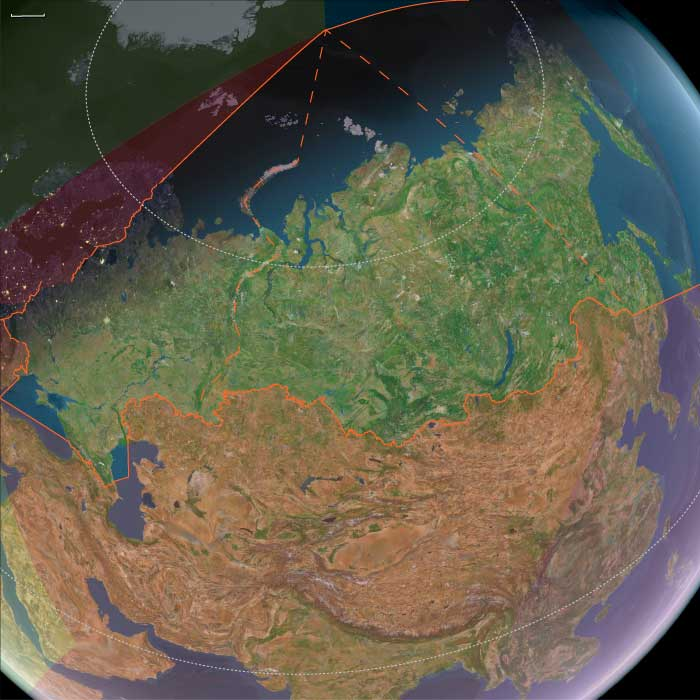
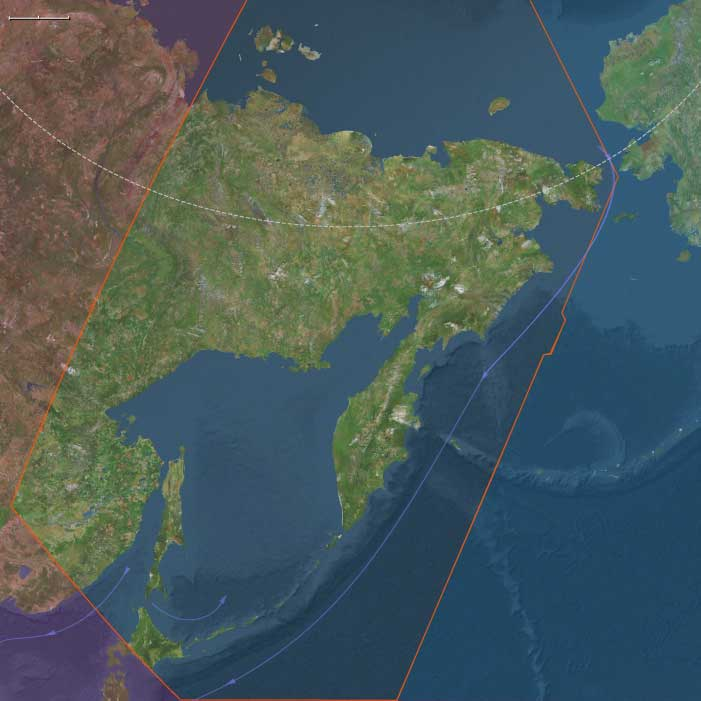
Between 1996 and 2007, Northeast Asia—encompassing eastern Siberia (east of 130°E), northeastern China's Heilongjiang province, northern Primorsky Krai, and most of Hokkaido excluding its southwestern portion—experienced ongoing economic integration, increased advocacy for indigenous rights, and heightened environmental preservation efforts.
Economic ties between Russia, China, Japan, and South Korea deepened significantly during this period. Northeastern China, particularly Heilongjiang province, solidified its position as a critical hub for Sino-Russian trade. Investments from China flowed into resource extraction, infrastructure development, and cross-border economic cooperation zones. Primorsky Krai emerged as a strategic gateway for Russia's trade with Asia-Pacific markets, with the port city of Vladivostok gaining increased prominence.
Japan continued diplomatic efforts to resolve the long-standing dispute over the Kuril Islands with Russia. Although formal resolution remained elusive, diplomatic dialogues persisted, occasionally advancing economic cooperation and cultural exchanges between Hokkaido and neighboring Russian territories.
Indigenous peoples, including the Evenki, Chukchi, Koryaks, Itelmen, and other native groups, intensified their advocacy for recognition, rights, and sustainable development practices. The establishment of entities like the Sakha Republic and Chukotka Autonomous Okrug enabled greater regional autonomy, fostering local governance initiatives to better manage resources and cultural heritage. Additionally, the formation of Kamchatka Krai in 2007, through the merger of Kamchatka Oblast and the Koryak Autonomous Okrug, marked another significant administrative restructuring aimed at improving governance and economic management in the region.
Environmental issues garnered increased attention, driven by concerns over biodiversity loss, resource depletion, and climate change impacts. International and local conservation groups collaborated to protect vulnerable ecosystems and endangered species. Initiatives aimed at mitigating deforestation, managing fisheries sustainably, and curbing industrial pollution gained momentum, influencing policy shifts toward environmental sustainability.
Despite these advancements, challenges persisted. Economic growth often exacerbated environmental pressures, particularly through intensified resource extraction and infrastructural expansion. Indigenous communities continued facing socioeconomic disparities and ongoing threats to their traditional lifestyles, necessitating further advocacy and policy interventions.
By 2007, Northeast Asia had evolved into a region characterized by deeper economic interdependence, heightened indigenous advocacy, and proactive environmental conservation. These dynamics set the stage for ongoing regional development, emphasizing sustainable practices, cultural preservation, and international cooperation.
People
Groups
- Koryaks
- Chukchi
- Nivkh people
- Evens, or Eveny
- Yukaghirs
- Ainu people
- Buddhism
- Siberian Yupiks
- Itelmens
- Evenks
- Alyutors
- Kereks
- Heilongjiang
- United States of America (US, USA) (Washington DC)
- Union of Soviet Socialist Republics (USSR), or Soviet Union
- Japan, Showa Period
- Koryak Okrug
- Kamchatka Oblast
- Khabarovsk Krai
- Primorsky Krai
- China, People's Republic of
- Magadan Oblast
- Korea, (Sixth) Republic of (South Korea)
- Russian Federation
- Sakha (Yakut) Republic
- Chukotka Autonomous Okrug
- Kamchatka Krai
Topics
Commodoties
Subjects
Regions
Subregions
Years: 1996 - 2007
People
Groups
- Koryaks
- Chukchi
- Nivkh people
- Evens, or Eveny
- Yukaghirs
- Ainu people
- Buddhism
- Siberian Yupiks
- Itelmens
- Evenks
- Alyutors
- Kereks
- Heilongjiang
- United States of America (US, USA) (Washington DC)
- Union of Soviet Socialist Republics (USSR), or Soviet Union
- Japan, Showa Period
- Koryak Okrug
- Kamchatka Oblast
- Khabarovsk Krai
- Primorsky Krai
- China, People's Republic of
- Magadan Oblast
- Korea, (Sixth) Republic of (South Korea)
- Russian Federation
- Sakha (Yakut) Republic
- Chukotka Autonomous Okrug
- Kamchatka Krai
Topics
Commodoties
Subjects
Regions
Subregions