
Northeast Asia (1984–1995 CE) Shifts in …
Years: 1984 - 1995
Northeast Asia (1984–1995 CE)
Shifts in Geopolitics, Economic Transition, and Environmental Challenges
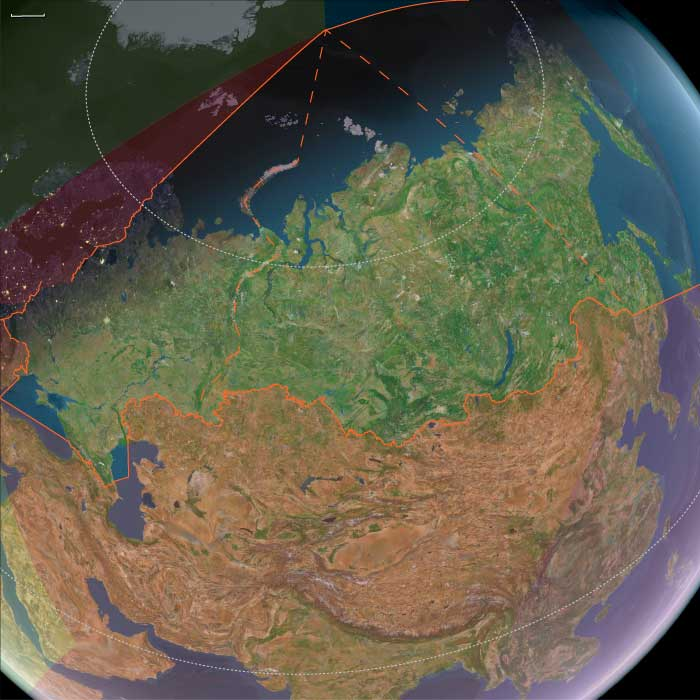
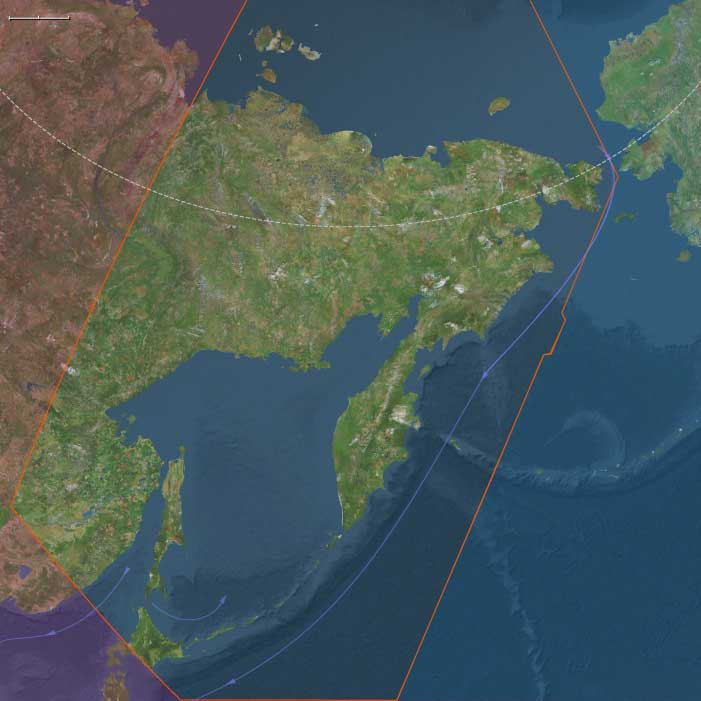
Between 1984 and 1995, Northeast Asia—encompassing eastern Siberia (east of 130°E), northeastern China's Heilongjiang province, northern Primorsky Krai, and most of Hokkaido excluding its southwestern portion—experienced significant geopolitical shifts, economic transitions, and deepening environmental challenges.
The later stages of the Cold War saw considerable change in regional geopolitics. Under the leadership of Mikhail Gorbachev, the Soviet Union introduced policies of glasnost (openness) and perestroika (restructuring), aiming to reform and revitalize the Soviet economy and society. These changes resulted in decreased military tension and a shift toward diplomatic engagement, notably with Japan over the disputed Kuril Islands. However, despite improved diplomatic dialogue, resolution of this territorial conflict remained elusive, continuing to influence regional security dynamics.
With the collapse of the Soviet Union in 1991, Northeast Asia entered a period of profound economic transformation. The newly formed Russian Federation faced substantial economic challenges, including sharp declines in industrial output, resource extraction disruptions, and deteriorating infrastructure. Economic hardship was widespread, affecting both urban populations and indigenous communities such as the Evenki, Chukchi, Koryaks, and Itelmen, whose traditional lifestyles had already been severely disrupted by decades of industrialization and militarization.
The establishment of the Sakha Republic and the Chukotka Autonomous Okrug in 1992 marked significant administrative and political shifts. These new regional entities aimed to provide greater autonomy and self-determination for indigenous peoples, enhancing local governance and cultural preservation.
The economic restructuring process opened Northeast Asia to increased foreign investment, especially from neighboring China, Japan, and South Korea. Investment primarily targeted resource extraction industries, fisheries, and infrastructure projects, leading to intensified exploitation of regional resources. China's northeastern province of Heilongjiang expanded its industrial capacity and cross-border trade, becoming an economic focal point for Sino-Russian cooperation.
Environmental degradation continued to pose significant challenges. Persistent industrial activity, including mining and large-scale fishing, exacerbated ecological damage, resulting in severe water pollution, habitat destruction, and declining fish stocks. Increased deforestation and air pollution further threatened regional biodiversity and public health. The recognition of these environmental crises grew steadily, prompting local and international calls for more stringent conservation and sustainability measures.
Indigenous communities increasingly advocated for the protection of their traditional lands and rights, joining broader international movements supporting indigenous cultural preservation and environmental justice. These advocacy efforts gradually influenced governmental policies, leading to modest improvements in the recognition and support for indigenous peoples in Siberia and the Russian Far East.
By 1995, Northeast Asia had become a region shaped by geopolitical realignment following the Soviet collapse, economic transition and integration into global markets, and intensifying environmental and indigenous rights concerns. These interconnected dynamics continued to shape the region’s development into the subsequent era.
People
Groups
- Koryaks
- Chukchi
- Nivkh people
- Yukaghirs
- Evens, or Eveny
- Buddhism
- Ainu people
- Siberian Yupiks
- Itelmens
- Evenks
- Kereks
- Alyutors
- Heilongjiang
- United States of America (US, USA) (Washington DC)
- Union of Soviet Socialist Republics (USSR), or Soviet Union
- Japan, Showa Period
- Koryak Okrug
- Kamchatka Oblast
- Khabarovsk Krai
- Primorsky Krai
- China, People's Republic of
- Magadan Oblast
- Korea, (Fifth) Republic of (South Korea)
- Korea, (Sixth) Republic of (South Korea)
- Russian Federation
- Chukotka Autonomous Okrug
- Sakha (Yakut) Republic
Topics
Commodoties
Subjects
Regions
Subregions
Years: 1984 - 1995
People
Groups
- Koryaks
- Chukchi
- Nivkh people
- Yukaghirs
- Evens, or Eveny
- Buddhism
- Ainu people
- Siberian Yupiks
- Itelmens
- Evenks
- Kereks
- Alyutors
- Heilongjiang
- United States of America (US, USA) (Washington DC)
- Union of Soviet Socialist Republics (USSR), or Soviet Union
- Japan, Showa Period
- Koryak Okrug
- Kamchatka Oblast
- Khabarovsk Krai
- Primorsky Krai
- China, People's Republic of
- Magadan Oblast
- Korea, (Fifth) Republic of (South Korea)
- Korea, (Sixth) Republic of (South Korea)
- Russian Federation
- Chukotka Autonomous Okrug
- Sakha (Yakut) Republic
Topics
Commodoties
Subjects
Regions
Subregions