
Northeast Asia (1972–1983 CE) Cold War …
Years: 1972 - 1983
Northeast Asia (1972–1983 CE)
Cold War Geopolitics, Industrial Expansion, and Environmental Awareness
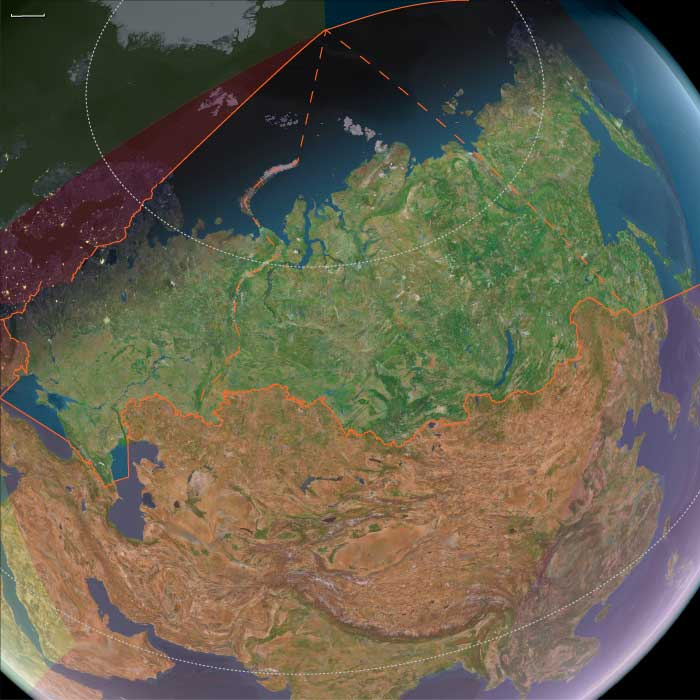
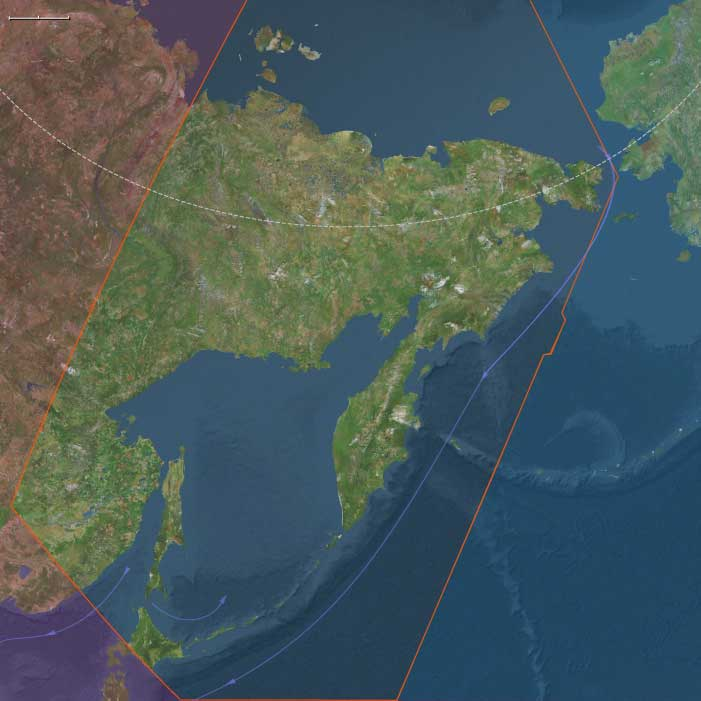
Between 1972 and 1983, Northeast Asia experienced substantial changes shaped by Cold War geopolitics, intensified industrial development, and growing environmental awareness. The region, encompassing the easternmost areas of Siberia (east of 130°E), the northeastern portion of China's Heilongjiang province, northern Primorsky Krai, and most of Hokkaido, excluding its southwestern portion, remained strategically significant.
Strategic tensions escalated during this period as the Soviet Union strengthened military infrastructure, particularly along the Pacific coastline and the Kuril Islands. The region became critical in the broader Soviet strategy to project power in the Pacific, prompting the expansion of naval bases, airfields, radar installations, and missile sites. The military build-up was part of the Soviet Union’s broader effort to assert dominance in East Asia, particularly vis-à-vis Japan and the United States.
Industrial expansion continued to accelerate under the Soviet Union’s five-year economic plans, prioritizing the development of mining, fisheries, and heavy industry. Vast mineral and energy resources, including coal, oil, natural gas, and metals, were aggressively exploited. Fishing fleets expanded dramatically, enhancing Soviet maritime capabilities but also contributing to significant overfishing and marine ecosystem damage.
The rapid industrialization led to substantial ecological degradation, marked by pollution, deforestation, and habitat destruction. Prominent environmental issues included severe water pollution from mining operations, declining fish populations due to intensive industrial-scale fishing, and air pollution from heavy industrial activities. These issues began to raise public awareness about environmental sustainability, prompting early calls for more responsible resource management practices.
Indigenous populations, including the Ainu, Evenki, and various Siberian peoples such as the Chukchi, Koryaks, and Itelmen, continued to face severe disruptions to traditional livelihoods due to industrialization and militarization. Social and economic pressures grew as Soviet modernization encroached upon traditional hunting, fishing, and herding practices, leading to increased advocacy for indigenous rights and cultural preservation, reflecting broader global movements.
Internationally, territorial disputes, particularly over the Kuril Islands between Japan and the Soviet Union, persisted, influencing diplomatic relations and regional security dynamics. This issue remained a significant impediment to peace treaty negotiations and shaped Northeast Asia’s geopolitical landscape.
By 1983, Northeast Asia had become a region defined by intensified Cold War tensions, rapid industrial growth, and emerging environmental concerns. The interplay between strategic imperatives, resource-driven industrialization, and rising ecological and indigenous awareness would profoundly influence the region’s trajectory into subsequent decades.
Groups
- Koryaks
- Chukchi
- Nivkh people
- Evens, or Eveny
- Yukaghirs
- Ainu people
- Buddhism
- Itelmens
- Siberian Yupiks
- Evenks
- Alyutors
- Kereks
- United States of America (US, USA) (Washington DC)
- Union of Soviet Socialist Republics (USSR), or Soviet Union
- Japan, Showa Period
- China, People's Republic of
Topics
Commodoties
Subjects
Regions
Subregions
Years: 1972 - 1983
Groups
- Koryaks
- Chukchi
- Nivkh people
- Evens, or Eveny
- Yukaghirs
- Ainu people
- Buddhism
- Itelmens
- Siberian Yupiks
- Evenks
- Alyutors
- Kereks
- United States of America (US, USA) (Washington DC)
- Union of Soviet Socialist Republics (USSR), or Soviet Union
- Japan, Showa Period
- China, People's Republic of
Topics
Commodoties
Subjects
Regions
Subregions