
North Polynesia (2008–2019 CE) Economic Recovery …
Years: 2008 - 2019
North Polynesia (2008–2019 CE)
Economic Recovery and Tourism Growth
From 2008 to 2019, North Polynesia experienced a gradual economic recovery following the global financial crisis of 2008. Tourism, central to the region’s economy, rebounded strongly by the early 2010s, buoyed by increasing numbers of visitors from East Asia, Australia, and the continental United States. The recovery spurred extensive developments in hospitality, infrastructure, and local businesses.
Renewable Energy and Sustainability Initiatives
North Polynesia intensified its commitment to sustainability during this era. Hawaii set ambitious renewable energy goals, including a target to achieve 100% renewable electricity by 2045. Solar, wind, and geothermal energy projects proliferated, reflecting a growing commitment to environmental stewardship and reducing dependence on imported fossil fuels.
Native Hawaiian Activism and Cultural Revitalization
This period marked heightened political activism and cultural renewal among Native Hawaiians. Movements advocating for land rights, protection of sacred sites, and political autonomy gained momentum. Notably, widespread protests arose in response to the proposed construction of the Thirty Meter Telescope (TMT) on Mauna Kea, underscoring deeper tensions over land use, indigenous rights, and cultural heritage preservation.
Climate Change and Environmental Challenges
Climate change impacts became increasingly evident in North Polynesia, with rising sea levels, intensified coastal erosion, and more frequent extreme weather events posing significant risks. Communities and policymakers implemented mitigation measures, infrastructure upgrades, and adaptive strategies to combat climate-related threats to the islands’ ecosystems and urban areas.
Economic Disparities and Housing Crisis
Economic growth was accompanied by significant challenges, particularly growing income disparity and housing affordability crises. Rapidly rising property values and the influx of non-resident investors exacerbated homelessness and housing insecurity, prompting local governments to increase funding for affordable housing and social programs.
Technological Innovation and Astronomical Research
North Polynesia maintained its position as a key global hub for astronomical research. Institutions on Maui and Oʻahu expanded high-tech and innovation sectors, while debates surrounding development atop Mauna Kea drew international attention. The controversy highlighted the complex balance between scientific advancement, environmental stewardship, and cultural preservation.
Strategic Military Significance
The strategic military role of North Polynesia, particularly Hawaii, remained pivotal. U.S. military installations continued to expand infrastructure investments and personnel deployments in response to growing geopolitical tensions in the Asia-Pacific region. The military presence remained an economic anchor, even as it continued to provoke local debates over land use and sovereignty issues.
Educational Advancements and Cultural Integration
Educational systems increasingly integrated Hawaiian culture, language, and history into curricula, promoting deeper understanding and respect for indigenous traditions. The University of Hawaii System expanded research programs, particularly in environmental sciences, renewable energy, marine biology, and indigenous studies, further enhancing the islands’ global academic reputation.
Natural Disasters and Community Resilience
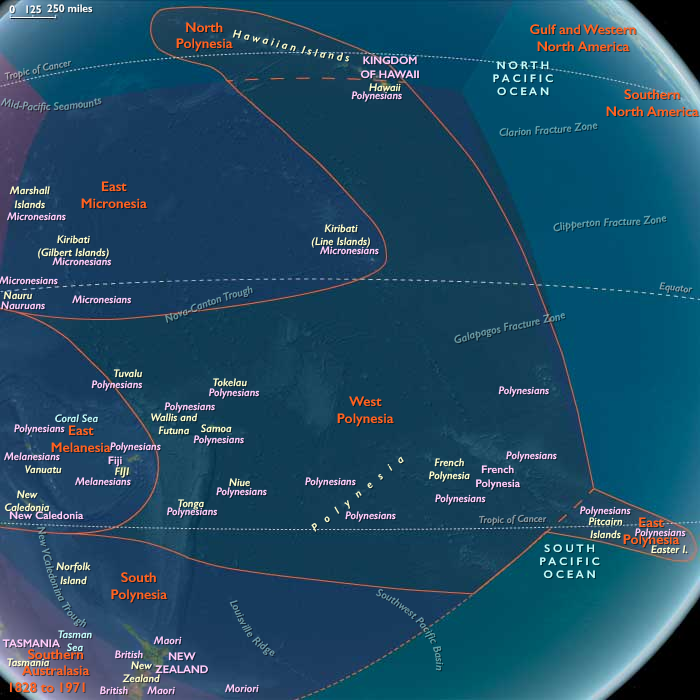
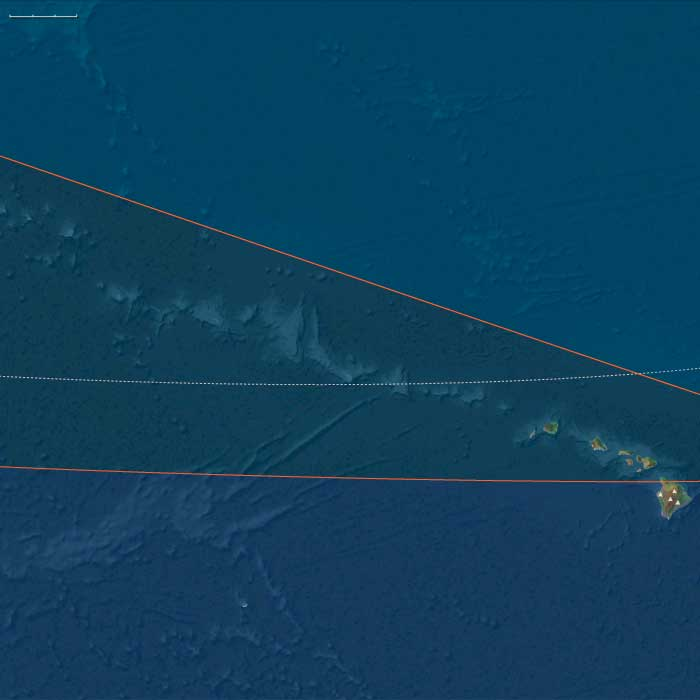
Notably, North Polynesia faced severe natural disasters during this period, including the eruption of Kīlauea volcano on the Big Island (2018), whose ashfall significantly affected air quality and travel across the islands. Although occurring outside the North Polynesia region specifically delineated here (Maui to Kure Atoll), the event underscored the interconnectedness and vulnerability of the entire archipelago. Community resilience, disaster preparedness, and responsive infrastructure measures received renewed emphasis.
Cultural Representation and Global Influence
North Polynesian culture increasingly resonated on global stages through media, arts, film, music, and sports. Films and television shows prominently featuring the islands raised their international profile, driving increased tourism and fostering global cultural appreciation. Events such as the annual Merrie Monarch Festival continued to flourish, preserving and celebrating traditional Hawaiian hula and cultural heritage.
Conclusion of the Era
Between 2008 and 2019, North Polynesia navigated economic recovery, cultural renaissance, and environmental challenges. The region balanced rapid modernization and global integration with strengthened advocacy for indigenous rights, cultural identity, sustainability, and community resilience. These years laid important groundwork for future efforts in achieving economic, environmental, and cultural sustainability, affirming North Polynesia’s unique and enduring legacy.
Groups
- Korean people
- Japanese people
- Chinese (Han) people
- Portuguese people
- Hawaiians, Native
- Protestantism
- Americans
- United States of America (US, USA) (Washington DC)
- Filipinos
- Midway Atoll (unincorporated territory of the United States)
- Hawaiian Pineapple Company
- Hawaii, State of (U.S.A.)
Topics
Commodoties
Subjects
- Commerce
- Performing Arts
- Public health
- Labor and Service
- Faith
- Government
- Scholarship
- Custom and Law
- Catastrophe
- workers' movement
Regions
Subregions
Years: 2008 - 2019
Groups
- Korean people
- Japanese people
- Chinese (Han) people
- Portuguese people
- Hawaiians, Native
- Protestantism
- Americans
- United States of America (US, USA) (Washington DC)
- Filipinos
- Midway Atoll (unincorporated territory of the United States)
- Hawaiian Pineapple Company
- Hawaii, State of (U.S.A.)
Topics
Commodoties
Subjects
- Commerce
- Performing Arts
- Public health
- Labor and Service
- Faith
- Government
- Scholarship
- Custom and Law
- Catastrophe
- workers' movement
Regions
Subregions