
North Polynesia (1984–1995 CE) Sustained Economic …
Years: 1984 - 1995
North Polynesia (1984–1995 CE)
Sustained Economic Development and Tourism Boom
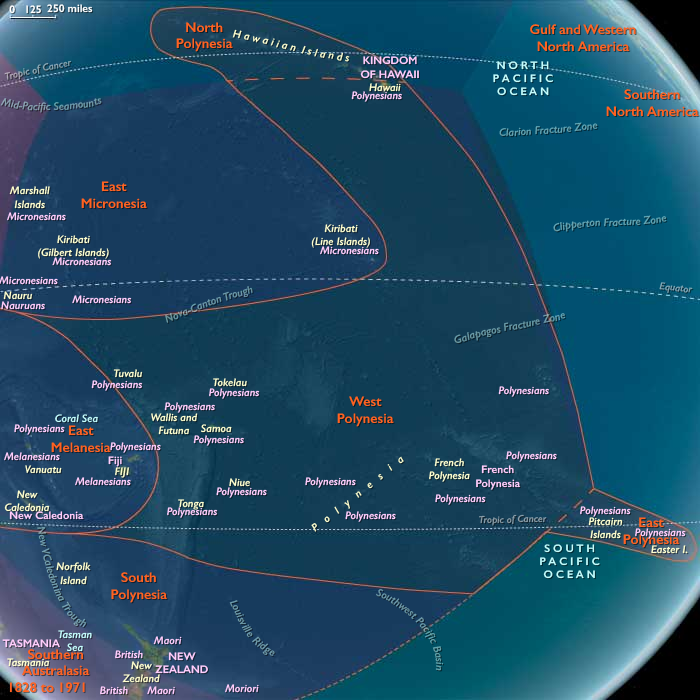
From 1984 to 1995, North Polynesia, notably the Hawaiian Islands, experienced continued economic expansion driven significantly by tourism and real estate. The tourism sector flourished with increased arrivals from mainland United States, Japan, and emerging Asian markets, fueling growth in hospitality and related industries. Iconic resorts, golf courses, and luxury developments transformed landscapes, particularly on Oahu, Maui, and Kauai, reinforcing Hawaii’s reputation as a premier global destination.
Environmental Concerns and Preservation Efforts
Rapid growth prompted growing environmental concerns, notably around development impacts, shoreline erosion, and native habitat degradation. Awareness of Hawaii’s ecological vulnerability inspired movements advocating stricter environmental protection measures, marine conservation efforts, and the establishment of additional protected areas, including significant expansions in national parks, wildlife refuges, and marine sanctuaries.
Native Hawaiian Sovereignty and Cultural Movements
This period witnessed intensified political activism and cultural revival among Native Hawaiians. The 1993 Apology Resolution, passed by the U.S. Congress, officially acknowledged the illegality of the 1893 overthrow of the Hawaiian monarchy and contributed significantly to sovereignty discourse. Activists advocated for land rights, self-determination, and the restoration of indigenous cultural practices, prominently reflected in educational institutions and community programs promoting Hawaiian language and traditions.
Technological Advancements and Economic Diversification
Technological innovation and diversification of economic activities characterized this era. Advances in telecommunications, digital infrastructure, and renewable energy technologies began reshaping the region’s economy, creating new opportunities outside tourism. High-tech industries and research institutions, particularly associated with the University of Hawaii, fostered knowledge-driven economic sectors.
Military Presence and Strategic Significance
The islands maintained their strategic importance to U.S. national defense, particularly toward the conclusion of the Cold War. Military installations at Pearl Harbor, Schofield Barracks, and other sites continued to play a pivotal role in U.S. Pacific strategy. However, tensions persisted over land usage, environmental impacts, and cultural sensitivities regarding military activities, prompting ongoing local debate and activism.
Social Challenges and Housing Affordability
Rapid economic growth exacerbated social issues, notably housing affordability and income disparity. Housing prices surged, driven by demand from affluent newcomers and investors, placing increasing strain on local and indigenous populations. Efforts to address housing shortages and homelessness intensified, highlighting disparities and prompting state and local governments to implement initiatives aimed at affordable housing and community development.
Educational Reforms and Institutional Growth
Education received increased attention and resources during this era, with significant investment in public education, higher education, and vocational training programs. The University of Hawaii expanded research capabilities, while local school systems implemented culturally sensitive curricula, reflecting a growing appreciation for Native Hawaiian history and perspectives.
Natural Disasters and Resilience
The islands faced significant challenges from natural disasters. Notably, in 1992, Hurricane Iniki devastated Kauai, causing extensive damage and highlighting vulnerabilities in infrastructure and emergency preparedness. Recovery efforts sparked renewed focus on disaster resilience, better emergency planning, and improvements in infrastructure standards.
Cultural Representation and Global Recognition
North Polynesia gained global cultural recognition through media exposure, cultural festivals, international sporting events, and Hawaiian arts and entertainment. Traditional practices such as hula experienced international appreciation, showcasing Hawaiian culture worldwide and enhancing the islands' reputation for cultural richness and diversity.
Conclusion of the Era
From 1984 to 1995, North Polynesia balanced sustained economic prosperity, cultural revitalization, and emerging social and environmental challenges. Significant milestones, including the formal acknowledgment of historical injustices and increased focus on environmental and social sustainability, marked this era, setting the stage for future developments shaped by global awareness, local advocacy, and economic resilience.
Groups
- Korean people
- Japanese people
- Chinese (Han) people
- Portuguese people
- Hawaiians, Native
- Protestantism
- Americans
- United States of America (US, USA) (Washington DC)
- Filipinos
- Midway Atoll (unincorporated territory of the United States)
- Hawaiian Pineapple Company
- Hawaii, State of (U.S.A.)
Topics
Commodoties
Subjects
- Commerce
- Performing Arts
- Public health
- Labor and Service
- Faith
- Government
- Scholarship
- Custom and Law
- Catastrophe
- workers' movement
Regions
Subregions
Years: 1984 - 1995
Groups
- Korean people
- Japanese people
- Chinese (Han) people
- Portuguese people
- Hawaiians, Native
- Protestantism
- Americans
- United States of America (US, USA) (Washington DC)
- Filipinos
- Midway Atoll (unincorporated territory of the United States)
- Hawaiian Pineapple Company
- Hawaii, State of (U.S.A.)
Topics
Commodoties
Subjects
- Commerce
- Performing Arts
- Public health
- Labor and Service
- Faith
- Government
- Scholarship
- Custom and Law
- Catastrophe
- workers' movement
Regions
Subregions