
North Polynesia (1972–1983 CE) Economic Growth …
Years: 1972 - 1983
North Polynesia (1972–1983 CE)
Economic Growth Amid Global Challenges
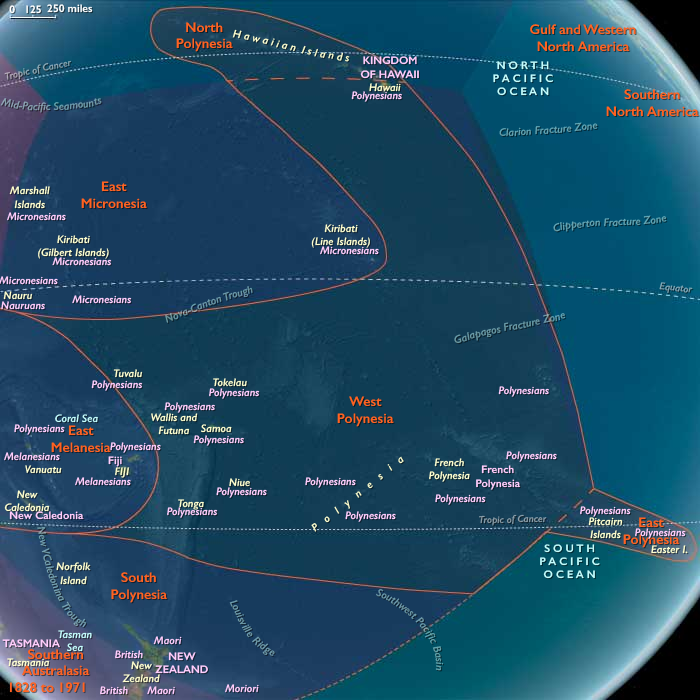
Between 1972 and 1983, North Polynesia—particularly the State of Hawaii—experienced sustained economic growth despite broader global economic turbulence, including oil crises and inflation. Driven primarily by tourism, construction, and real estate development, the islands navigated economic uncertainties while continuing to develop infrastructure and modernize urban areas, notably Honolulu and surrounding regions.
Tourism Expansion and International Recognition
The tourism industry in North Polynesia flourished throughout this period, benefiting from aggressive marketing campaigns, improved international air routes, and expanded hospitality infrastructure. Waikiki Beach and other coastal resort areas gained global recognition, attracting millions of visitors annually from North America, Asia (especially Japan), and Europe, cementing Hawaii’s status as a premier international destination.
Environmental Challenges and Conservation Initiatives
Rapid economic and tourism growth brought heightened environmental concerns. Coastal erosion, habitat degradation, and threats to endemic wildlife prompted significant conservation initiatives. Notably, Hawaii expanded its protected areas, including the establishment of marine sanctuaries and strengthened regulations protecting native ecosystems, recognizing the islands’ unique biodiversity and ecological fragility.
Native Hawaiian Cultural Revival and Political Activism
The period from 1972 to 1983 witnessed an intensified revival of Native Hawaiian culture and political advocacy. Movements emphasizing sovereignty, cultural rights, and indigenous identity became more prominent, exemplified by significant events such as the occupation of Kahoʻolawe in 1976 by Native Hawaiian activists protesting military bombing practices. This activism fostered greater awareness of indigenous rights and promoted educational programs emphasizing Hawaiian language and culture.
Advances in Civil Rights and Social Justice
Advances in civil rights and social justice remained notable, reflecting broader American trends. Efforts to address racial and economic inequalities gained prominence through active political participation by Native Hawaiian and Asian-American communities. Educational institutions emphasized cultural inclusivity, while political representation diversified considerably at local and state levels, reflecting Hawaii’s multiethnic composition.
Technological and Infrastructural Modernization
Technological modernization continued to transform daily life across the islands. Expanded telecommunications, increased television broadcasting, and advances in transportation infrastructure—including improved highway networks and expanded airport facilities—supported economic growth and enhanced connectivity between islands and with the mainland U.S.
Strategic and Military Developments
The strategic importance of North Polynesia, particularly during the late stages of the Cold War, ensured continued significant U.S. military presence. Pearl Harbor and other military installations on Oahu remained crucial in the U.S. defense network. Tensions related to military land use persisted, however, with ongoing community debates surrounding environmental impacts and indigenous land rights.
Education, Healthcare, and Social Welfare Improvements
Substantial investments in education and healthcare infrastructure characterized this era. Expansion of the University of Hawaii system, alongside increased funding for public schools, provided greater access to higher education and vocational training. Healthcare services improved with the development of advanced medical facilities and expanded public health initiatives, significantly enhancing the quality of life for residents.
Conclusion of the Era
The era from 1972 to 1983 in North Polynesia was marked by robust economic development, cultural revitalization, and intensified environmental awareness amid evolving social and political landscapes. Through this dynamic period, the region solidified its distinctive identity, balancing modernization and global integration with respect for indigenous culture and environmental stewardship.
Groups
- Korean people
- Japanese people
- Chinese (Han) people
- Portuguese people
- Hawaiians, Native
- Protestantism
- Americans
- United States of America (US, USA) (Washington DC)
- Filipinos
- Midway Atoll (unincorporated territory of the United States)
- Hawaiian Pineapple Company
- Hawaii, State of (U.S.A.)
Topics
Commodoties
Subjects
- Commerce
- Performing Arts
- Public health
- Labor and Service
- Faith
- Government
- Scholarship
- Custom and Law
- Catastrophe
- workers' movement
Regions
Subregions
Years: 1972 - 1983
Groups
- Korean people
- Japanese people
- Chinese (Han) people
- Portuguese people
- Hawaiians, Native
- Protestantism
- Americans
- United States of America (US, USA) (Washington DC)
- Filipinos
- Midway Atoll (unincorporated territory of the United States)
- Hawaiian Pineapple Company
- Hawaii, State of (U.S.A.)
Topics
Commodoties
Subjects
- Commerce
- Performing Arts
- Public health
- Labor and Service
- Faith
- Government
- Scholarship
- Custom and Law
- Catastrophe
- workers' movement
Regions
Subregions