
North Polynesia (1948–1959 CE) Postwar Prosperity …
Years: 1948 - 1959
North Polynesia (1948–1959 CE)
Postwar Prosperity and Economic Diversification
Between 1948 and 1959, North Polynesia—particularly the Territory of Hawaii—experienced significant economic growth and diversification following World War II. The reduction in military expenditures necessitated a transition toward a more diversified economy, emphasizing tourism, construction, and revitalized agricultural sectors beyond traditional sugar and pineapple industries. Federal programs and investments, such as the G.I. Bill, greatly contributed to the islands' economic stability and growth, promoting higher education, homeownership, and business development among residents.
Boom in Tourism and Infrastructure Development
Tourism emerged as a central pillar of North Polynesia's postwar economy, with the Hawaiian Islands gaining prominence as an international travel destination. Investments in hotel construction, airport expansion, and infrastructure enhancements facilitated rapid growth in tourist arrivals, creating substantial employment opportunities and stimulating related sectors, including retail, entertainment, and transportation.
Agricultural Shifts and Labor Dynamics
Agriculture underwent notable transformation during this period. While sugar and pineapple remained significant, diversification included new cash crops such as coffee, macadamia nuts, and tropical fruits. Mechanization and modernization improved productivity but also altered labor dynamics, leading to reduced employment opportunities in traditional plantation sectors and necessitating shifts toward service industries and construction.
Social Transformations and Civil Rights Advances
Postwar North Polynesia witnessed important social changes and progress in civil rights. Labor movements became increasingly influential, successfully advocating for better wages, working conditions, and social benefits. The International Longshore and Warehouse Union (ILWU) notably played a crucial role, representing diverse ethnic communities and helping dismantle historical labor inequalities.
Cultural Renaissance and Identity
This period saw a burgeoning cultural renaissance marked by increased recognition and celebration of Hawaiian heritage. Initiatives in education and media encouraged preservation and revitalization of traditional cultural practices, language, music, and dance. The cultural resurgence became a source of pride and identity for the indigenous and local populations amidst rapid modernization and Americanization.
Military Presence and Strategic Importance
Despite the end of wartime conditions, the strategic importance of North Polynesia persisted. The Korean War (1950–1953) reinforced Hawaii's position as a critical U.S. military hub in the Pacific, ensuring continued federal investment in military facilities and maintaining a significant military presence. This contributed to regional economic stability but also raised ongoing concerns about land use, environmental impact, and community relations.
Political Mobilization and Statehood Movement
Political activism intensified, driven by a collective desire for greater autonomy, representation, and statehood. Local leaders and organizations worked diligently to build consensus and lobby for admission to the United States as a state. In 1959, after sustained advocacy, a referendum was overwhelmingly approved by local residents, paving the way for formal statehood.
Hawaii's Admission as the 50th State
On August 21, 1959, Hawaii officially became the 50th state of the United States, marking a historic milestone for North Polynesia. This achievement represented the culmination of decades-long political efforts and signified recognition of the islands' strategic importance, economic contributions, and diverse cultural heritage within the broader American context.
Educational Expansion and Public Health Advances
Educational infrastructure expanded significantly during this period, supported by federal and state investments. The University of Hawaii system grew substantially, offering broader access to higher education for residents. Simultaneously, public health initiatives, building upon wartime medical advancements, significantly improved healthcare access, infrastructure, and overall population health.
Conclusion of the Era
Between 1948 and 1959, North Polynesia navigated substantial postwar adjustments, experiencing economic prosperity, social transformation, and significant political developments. The culmination of these changes was the historic admission of Hawaii as a U.S. state, setting the stage for future growth and cementing the region's critical role in American and Pacific affairs.
Groups
- Korean people
- Japanese people
- Chinese (Han) people
- Hawaiians, Native
- Portuguese people
- Protestantism
- Americans
- United States of America (US, USA) (Washington DC)
- Filipinos
- Midway Atoll (unincorporated territory of the United States)
- Hawaii, Territory of (U.S.A.)
- Hawaiian Pineapple Company
- United States Army Military Government in Korea (USAMGIK)
- Korea, (First) Republic of (South Korea)
- Korea, Democratic People's Republic of (North Korea)
- Hawaii, State of (U.S.A.)
Topics
Commodoties
Subjects
- Commerce
- Performing Arts
- Public health
- Labor and Service
- Faith
- Government
- Scholarship
- Custom and Law
- Catastrophe
- workers' movement
Regions
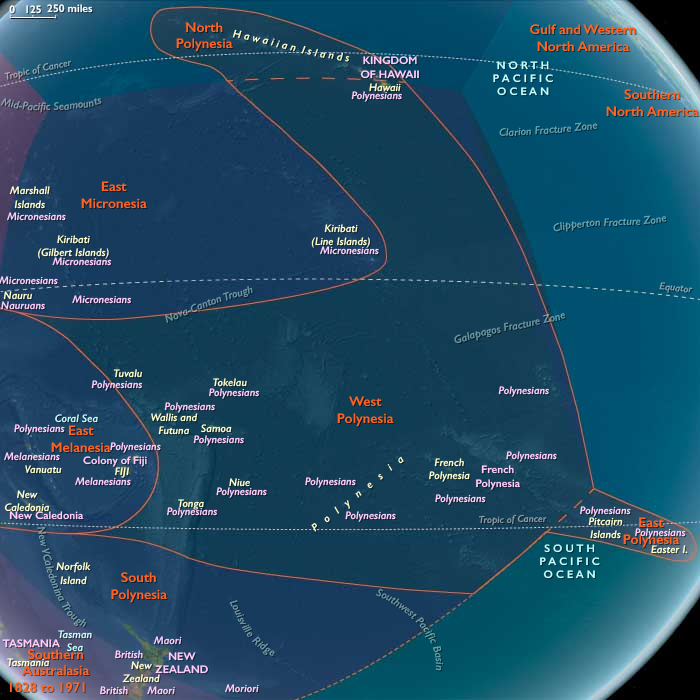
Subregions
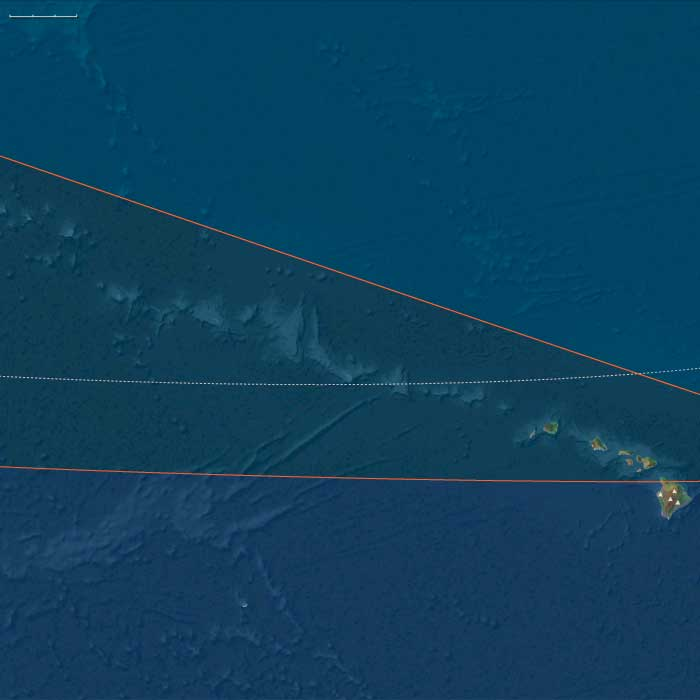
Years: 1948 - 1959
Groups
- Korean people
- Japanese people
- Chinese (Han) people
- Hawaiians, Native
- Portuguese people
- Protestantism
- Americans
- United States of America (US, USA) (Washington DC)
- Filipinos
- Midway Atoll (unincorporated territory of the United States)
- Hawaii, Territory of (U.S.A.)
- Hawaiian Pineapple Company
- United States Army Military Government in Korea (USAMGIK)
- Korea, (First) Republic of (South Korea)
- Korea, Democratic People's Republic of (North Korea)
- Hawaii, State of (U.S.A.)
Topics
Commodoties
Subjects
- Commerce
- Performing Arts
- Public health
- Labor and Service
- Faith
- Government
- Scholarship
- Custom and Law
- Catastrophe
- workers' movement
Regions
Subregions