
North Polynesia (1912–1923 CE) Economic Consolidation …
Years: 1912 - 1923
North Polynesia (1912–1923 CE)
Economic Consolidation and Diversification
Between 1912 and 1923, the Territory of Hawaii experienced a period of economic consolidation and diversification, driven largely by the robust growth of sugarcane and pineapple plantations. Large plantation companies, notably Dole Food Company (formerly the Hawaiian Pineapple Company), expanded aggressively, introducing innovative farming and canning techniques that bolstered productivity and profitability.
Demographic Developments and Labor Dynamics
The influx of immigrant labor continued apace, primarily from Japan, China, the Philippines, Korea, and Portugal. By this era, Japanese laborers formed the largest immigrant group, significantly shaping the islands' social fabric. Contract labor arrangements remained dominant, yet labor conditions gradually improved due to persistent worker advocacy and international scrutiny.
Rise of Labor Activism
Labor activism intensified throughout this period, marked by significant strikes, including the major sugar plantation strike on Oahu in 1920, involving Filipino and Japanese laborers. This multi-ethnic solidarity, though ultimately suppressed, indicated a growing class consciousness and laid critical groundwork for future labor rights movements in Hawaii.
Cultural Revival and Preservation Efforts
Amid rapid modernization, native Hawaiian culture underwent a revival. Efforts to document, preserve, and celebrate indigenous traditions—such as hula, traditional chants, and Hawaiian language—gained momentum, driven by influential cultural figures and organizations. This cultural renaissance fostered a stronger sense of Hawaiian identity, even as Americanization policies persisted in education and governance.
Educational Reforms and Americanization
Public education expanded notably, with increased funding and infrastructure developments, but remained focused on assimilation. English continued as the primary language of instruction, limiting the use of Hawaiian and immigrant languages. Nevertheless, education initiatives gradually broadened opportunities for local youth, shaping an increasingly literate and politically aware population.
Political Developments and Hawaiian Advocacy
Politically, the period saw intensified advocacy among native Hawaiians and disenfranchised immigrant communities. Leaders emerged from these groups, demanding improved representation, social equity, and cultural recognition within the territorial governance framework. Their efforts, though constrained by prevailing discriminatory policies, began to gain modest concessions from colonial authorities.
Public Health Initiatives
Public health remained a priority following earlier outbreaks of bubonic plague. Authorities implemented rigorous sanitation measures, vaccination campaigns, and health education programs to prevent disease recurrence. These initiatives significantly improved public health standards and infrastructure across the islands.
Expansion of Strategic Military Importance
The strategic significance of North Polynesia, particularly Pearl Harbor, continued to grow during these years. Military installations expanded dramatically, fortifications increased, and substantial investments were made in naval infrastructure. By 1923, Pearl Harbor had become a central pillar of U.S. naval strategy in the Pacific.
Infrastructure Growth and Urbanization
Honolulu's urbanization accelerated, driven by economic prosperity and population growth. The city developed modern amenities such as paved roads, electrified streetcar systems, enhanced sewage and water supply infrastructure, and improved public services, transforming it into a significant Pacific metropolis.
Conclusion of the Era
The period from 1912 to 1923 solidified North Polynesia's role as an economically vibrant, strategically significant territory deeply integrated into the United States. Amid this integration, however, emerging social tensions, cultural revival movements, labor activism, and advocacy for political rights signaled complex dynamics that would shape future developments in Hawaiian society.
People
Groups
- Korean people
- Japanese people
- Chinese (Han) people
- Portuguese people
- Hawaiians, Native
- Protestantism
- Americans
- United States of America (US, USA) (Washington DC)
- Filipinos
- Midway Atoll (unincorporated territory of the United States)
- Hawaii, Territory of (U.S.A.)
- Hawaiian Pineapple Company
Commodoties
Subjects
- Commerce
- Performing Arts
- Public health
- Labor and Service
- Faith
- Government
- Scholarship
- Custom and Law
- Catastrophe
- workers' movement
Regions
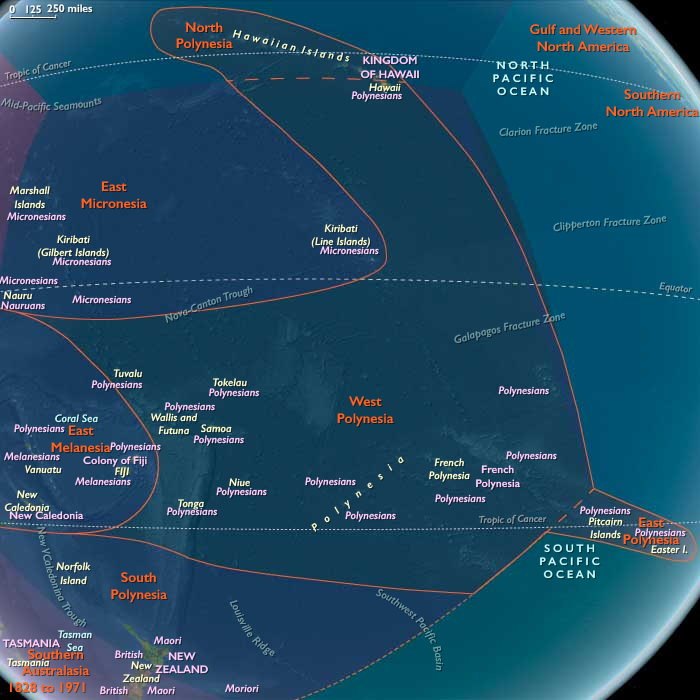
Subregions
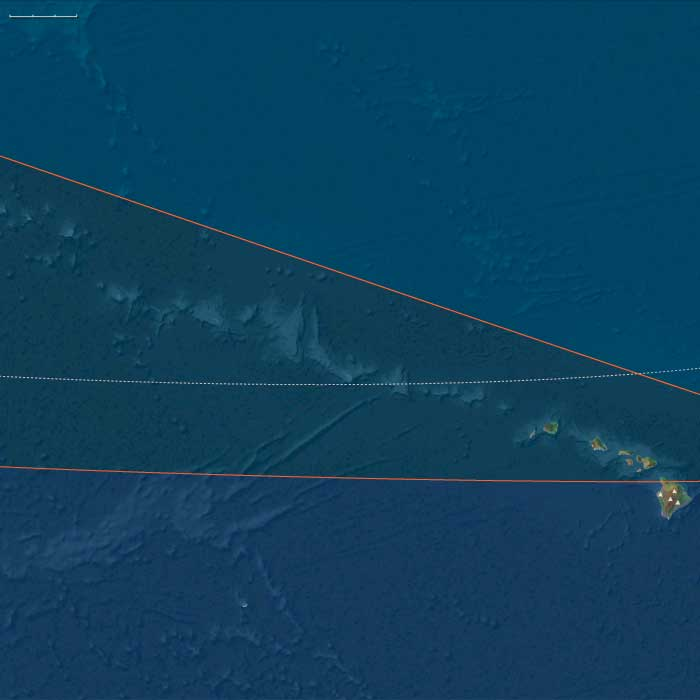
Years: 1912 - 1923
People
Groups
- Korean people
- Japanese people
- Chinese (Han) people
- Portuguese people
- Hawaiians, Native
- Protestantism
- Americans
- United States of America (US, USA) (Washington DC)
- Filipinos
- Midway Atoll (unincorporated territory of the United States)
- Hawaii, Territory of (U.S.A.)
- Hawaiian Pineapple Company
Commodoties
Subjects
- Commerce
- Performing Arts
- Public health
- Labor and Service
- Faith
- Government
- Scholarship
- Custom and Law
- Catastrophe
- workers' movement
Regions
Subregions