
North Africa (621–610 BCE) Regional Consolidation …
Years: 621BCE - 610BCE
North Africa (621–610 BCE)
Regional Consolidation and Cultural Exchange
Carthage: Continued Growth and Stability
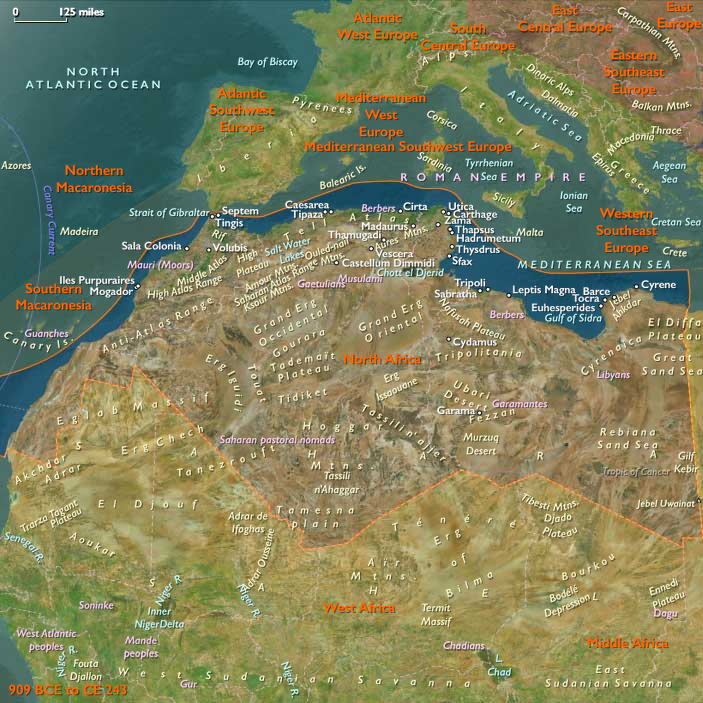
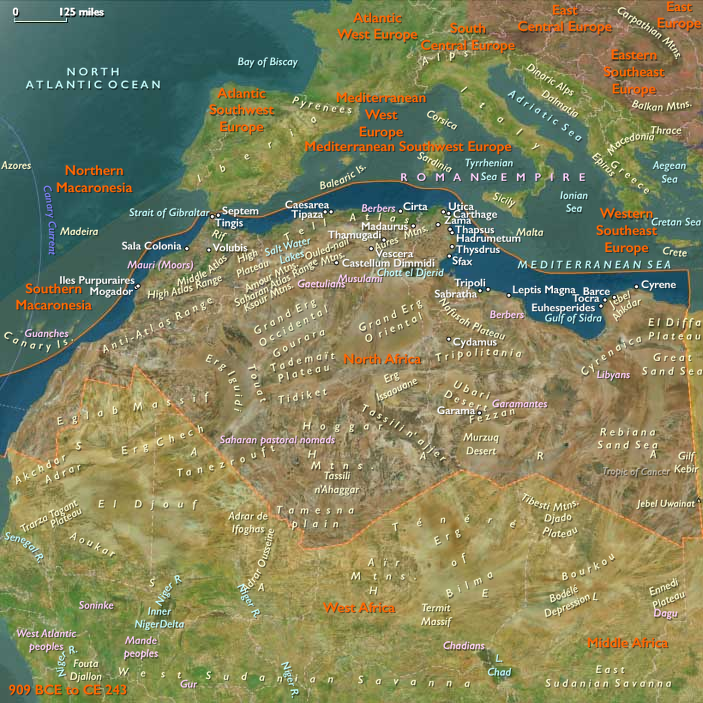
Between 621 and 610 BCE, Carthage continues to strengthen its economic dominance and consolidate political stability along the North African coast. The city further expands its maritime capabilities, refining naval technologies and enhancing harbor infrastructure to manage increased trade volumes. Carthaginian merchants extend their trading networks deeper into the Mediterranean, solidifying commercial ties with distant regions such as Iberia, Sicily, and the Italian Peninsula.
Developments in Cyrene
During this period, the Greek colony of Cyrene sees significant expansion and prosperity. Founded less than a decade earlier, Cyrene continues to capitalize on its fertile hinterland, cultivating and exporting valuable agricultural products such as grain, olives, and livestock. Its strategic location in the Akhdar Mountains ensures ample rainfall and fertile conditions, underpinning its economic and population growth. Cyrene's early successes attract further migration from Greek mainland cities, reinforcing its status as a flourishing Hellenic outpost in North Africa.
Berber Societies and Cross-cultural Interaction
Berber communities across North Africa experience sustained interaction with both Carthaginian and Greek settlers during these years. Coastal Berbers increasingly adopt elements of Phoenician and Greek technology, agriculture, and culture, while still maintaining robust indigenous traditions and identities. The interior Berber societies remain relatively autonomous, continuing to thrive independently around the Atlas Mountains and desert oases, though indirectly benefiting from increased regional trade and economic activity.
Diplomacy and Regional Power Dynamics
Interactions between Carthage and Cyrene during this period are largely marked by peaceful coexistence, driven by mutual economic interests and clearly demarcated spheres of influence. Diplomatic contacts help establish stable trade relations, minimizing potential conflicts. However, competition over trade routes and regional influence with other Mediterranean powers remains an ongoing source of strategic maneuvering, setting the stage for future geopolitical developments.
Cultural Flourishing and Integration
The growing cultural exchanges between Berber, Greek, and Carthaginian communities enrich regional artistic and religious practices. The integration of Phoenician and Greek artistic influences into local Berber craftsmanship results in distinctive hybrid cultural forms, visible in pottery, textiles, and metalwork. Religious syncretism also becomes more prevalent, reflecting a dynamic fusion of Phoenician deities such as Melqart with indigenous Berber religious traditions.
Legacy and Foundations for Future Growth
By 610 BCE, North Africa stands as a region characterized by increasing economic prosperity, cultural vibrancy, and relatively stable geopolitical structures. Carthage and Cyrene's ascendancy significantly shapes the area's historical trajectory, with their economic and cultural innovations laying enduring foundations for subsequent regional development.
People
Groups
- Phoenicians
- Berber people (also called Amazigh people or Imazighen, "free men", singular Amazigh)
- Carthage, Kingdom of
- Greeks, Classical
- Magna Graecia
- Cyrene
Topics
Commodoties
Subjects
Regions
Subregions
Related Events
Showing 10 events out of 66140 total
Years: 621BCE - 610BCE
People
Groups
- Phoenicians
- Berber people (also called Amazigh people or Imazighen, "free men", singular Amazigh)
- Carthage, Kingdom of
- Greeks, Classical
- Magna Graecia
- Cyrene
Topics
Commodoties
Subjects
Regions
Subregions