
North Africa (573–562 BCE) Maritime Dominance, …
Years: 573BCE - 562BCE
North Africa (573–562 BCE)
Maritime Dominance, Diplomatic Strategies, and Cultural Flourishing
Carthage's Maritime Supremacy
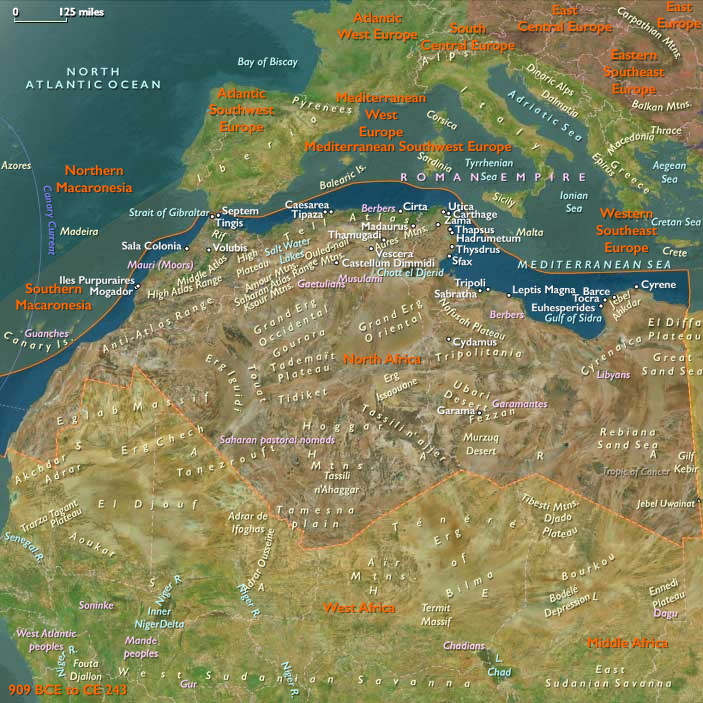
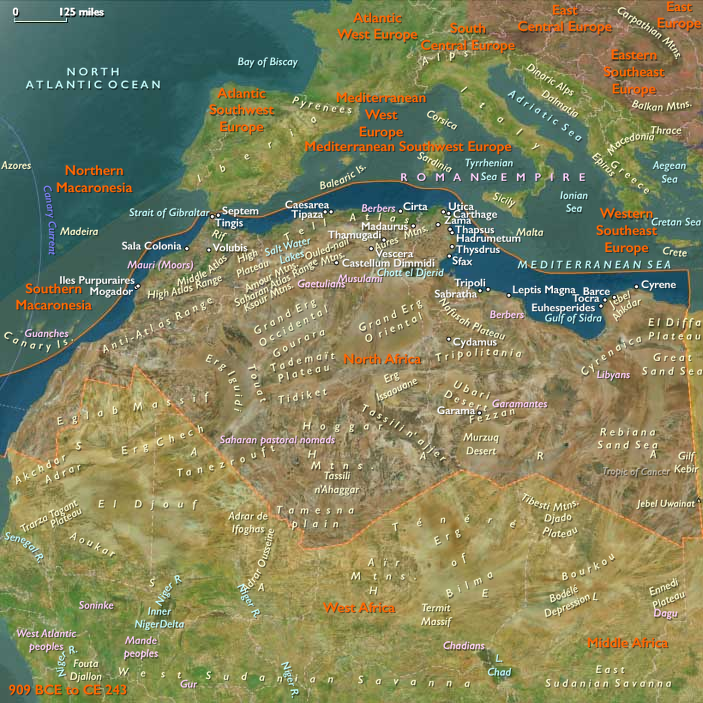
From 573 to 562 BCE, Carthage further entrenches its maritime and economic supremacy in the Western Mediterranean. The city’s extensive trade networks continue to expand, linking North Africa firmly with Sicily, Sardinia, the Balearics, and Iberia. Carthaginian merchants and colonists consolidate control over these critical maritime routes, enhancing the city's economic wealth and political influence. Carthage's sophisticated harbor infrastructure supports a robust navy, safeguarding trade routes and fostering secure economic conditions.
Diplomatic Dynamics with Cyrene and Greek Powers
Carthage maintains diplomatic stability with Cyrene despite underlying competitive tensions. Clearly delineated areas of influence ensure relatively peaceful relations, yet rivalry over trade and territorial ambitions subtly intensifies. Diplomatic engagement remains crucial as both powers navigate their shared interests and overlapping spheres of influence.
Cyrene continues its economic ascent, reinforced by substantial agricultural productivity and continued Greek immigration. Its strategic and economic significance fosters strong cultural and commercial relationships with the broader Hellenic world, maintaining a balanced yet competitive dynamic with Carthage.
Berber Integration and Economic Prosperity
Coastal Berber societies deepen their integration into Carthaginian trade networks, benefiting significantly from increased economic opportunities. The exchange of agricultural techniques, maritime practices, and artisanal innovations enhances their prosperity. Berber communities effectively leverage these exchanges to bolster their economic stability while preserving core cultural practices.
Inland Berber tribes sustain significant autonomy, upholding traditional livelihoods around the Atlas Mountains and Saharan regions. These communities, largely unaffected by coastal politics, continue to maintain their distinct tribal identities, yet increasingly benefit from indirect interactions with coastal economic hubs.
Cultural Innovation and Syncretism
The intensified interactions among Berber, Carthaginian, and Greek populations yield rich cultural innovations. Hybrid artistic expressions, particularly evident in pottery, textiles, and metalwork, reflect an increasingly interconnected and diverse cultural landscape. Religious syncretism deepens, integrating indigenous Berber spiritual beliefs with Phoenician and Greek religious traditions, further enriching regional cultural complexity.
Regional Stability and Future Foundations
By 562 BCE, North Africa showcases considerable regional stability driven by Carthage’s maritime dominance, Cyrene’s economic strength, and effective diplomatic interactions. The dynamic integration of coastal and inland Berber communities adds resilience and depth to the region’s social and economic structures. These developments lay robust foundations for continued prosperity and influence, setting the stage for future geopolitical and cultural trajectories in North Africa.
People
Groups
- Phoenicians
- Tyre, Kingdom of (Phoenicia)
- Berber people (also called Amazigh people or Imazighen, "free men", singular Amazigh)
- Carthage, Kingdom of
- Greeks, Classical
- Magna Graecia
- Cyrene
Topics
Commodoties
Subjects
Regions
Subregions
Related Events
Showing 10 events out of 65873 total
Years: 573BCE - 562BCE
People
Groups
- Phoenicians
- Tyre, Kingdom of (Phoenicia)
- Berber people (also called Amazigh people or Imazighen, "free men", singular Amazigh)
- Carthage, Kingdom of
- Greeks, Classical
- Magna Graecia
- Cyrene
Topics
Commodoties
Subjects
Regions
Subregions