
North Africa (561–550 BCE) Economic Prosperity, …
Years: 561BCE - 550BCE
North Africa (561–550 BCE)
Economic Prosperity, Strategic Rivalries, and Cultural Integration
Carthage’s Maritime and Economic Consolidation
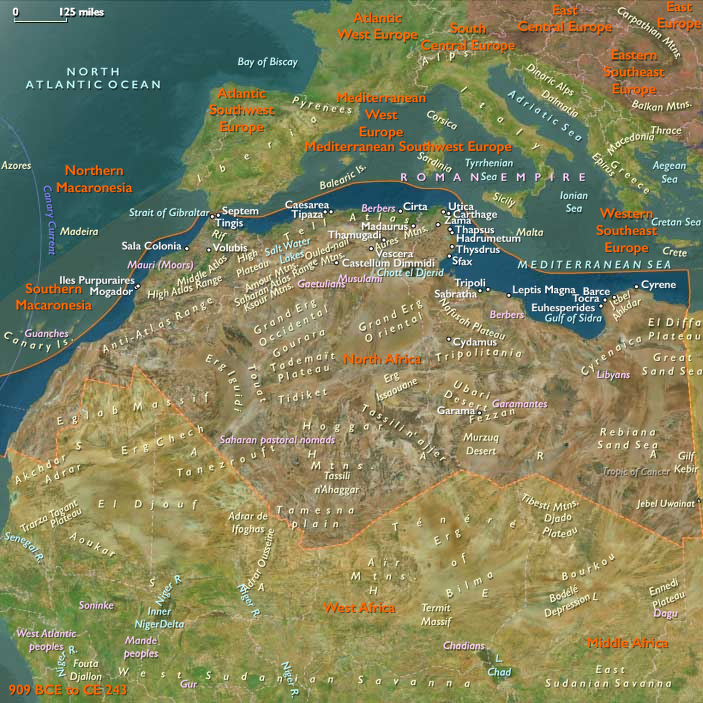
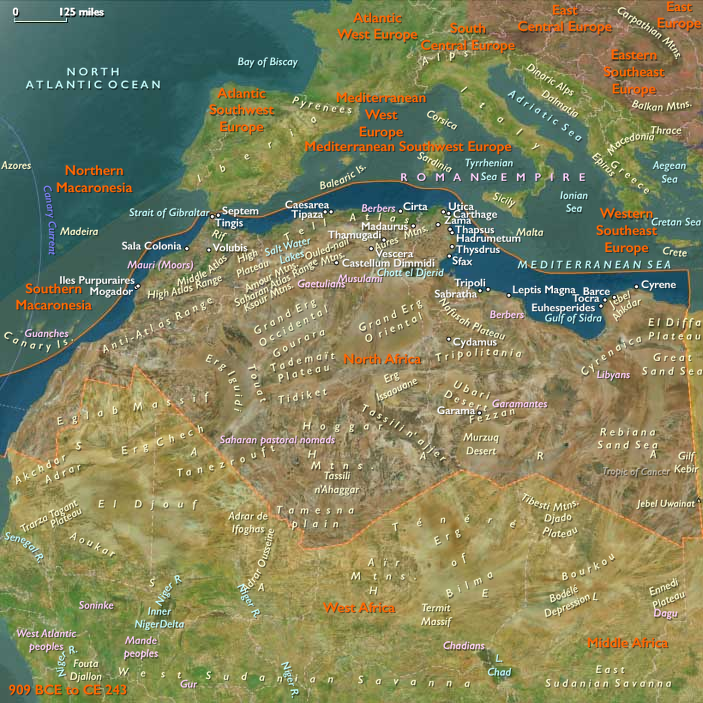
From 561 to 550 BCE, Carthage continues to solidify its dominant maritime and economic position within the Western Mediterranean. The city's naval strength enables the expansion and fortification of trade routes, reinforcing economic relationships with Iberia, Sardinia, Sicily, and other Mediterranean territories. This period sees Carthage establishing new colonies and securing existing ones, further enhancing its commercial and political influence across the region.
The city's sophisticated harbor and maritime infrastructure ensure secure and efficient trade, promoting sustained economic growth. Carthage's wealth and stability attract diverse populations, strengthening its cosmopolitan character and enriching its cultural life.
Increased Rivalries and Diplomatic Maneuvering
During this decade, relations with Greek city-states, particularly Cyrene, grow increasingly competitive. Economic prosperity and territorial ambitions fuel tensions, prompting careful diplomatic negotiations to prevent significant conflicts. Cyrene maintains its trajectory of economic and cultural prosperity, continuing to thrive through agriculture and sustained Hellenic migration, further intensifying its strategic importance in Mediterranean geopolitics.
Berber Integration and Economic Expansion
Berber communities, especially along coastal regions, continue to integrate deeply into Carthaginian trade networks, enjoying substantial economic benefits. They adopt advanced agricultural practices, maritime commerce, and innovative artisanal skills introduced by Phoenician settlers, which significantly enhance their economic security and quality of life.
In contrast, inland Berber societies in mountainous and desert regions retain their traditional autonomy and cultural identities, benefiting indirectly from expanding trade and economic networks, which enable stable interaction with coastal markets without compromising their cultural distinctiveness.
Cultural Flourishing and Syncretism
This era marks a continued flourishing of cultural interactions among Berber, Carthaginian, and Greek communities. Art and craftsmanship—evident in pottery, textiles, and metalwork—reflect a vibrant fusion of indigenous and foreign influences, showcasing the rich diversity and creativity fostered by these interactions.
Religious and cultural syncretism remains prominent, with local Berber traditions increasingly integrating Phoenician and Greek religious practices. This blend of spiritual and cultural traditions contributes significantly to the region's evolving identity and stability.
Foundations for Future Development
By 550 BCE, North Africa maintains a robust economic prosperity, driven by Carthaginian maritime dominance and complemented by Cyrene's sustained growth. The careful diplomatic balance and strategic management of regional rivalries have prevented major conflicts, ensuring a stable environment conducive to further economic and cultural development. These dynamics lay essential groundwork for the continued geopolitical and cultural evolution of the region.
People
Groups
- Phoenicians
- Tyre, Kingdom of (Phoenicia)
- Berber people (also called Amazigh people or Imazighen, "free men", singular Amazigh)
- Carthage, Kingdom of
- Greeks, Classical
- Magna Graecia
- Cyrene
Topics
Commodoties
Subjects
Regions
Subregions
Related Events
Showing 10 events out of 65854 total
Years: 561BCE - 550BCE
People
Groups
- Phoenicians
- Tyre, Kingdom of (Phoenicia)
- Berber people (also called Amazigh people or Imazighen, "free men", singular Amazigh)
- Carthage, Kingdom of
- Greeks, Classical
- Magna Graecia
- Cyrene
Topics
Commodoties
Subjects
Regions
Subregions