
North Africa (549–538 BCE) Maritime Dominance, …
Years: 549BCE - 538BCE
North Africa (549–538 BCE)
Maritime Dominance, Diplomatic Stability, and Cultural Expansion
Carthaginian Expansion and Maritime Influence
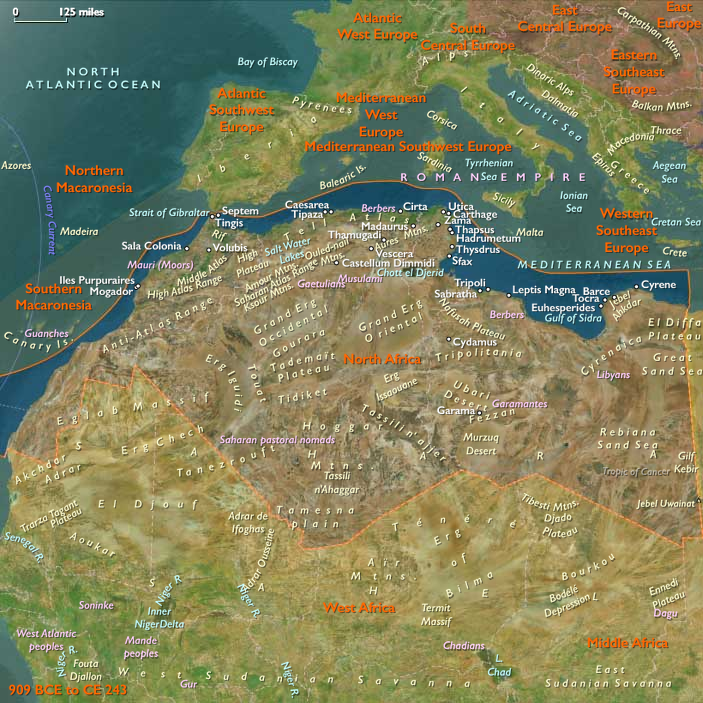
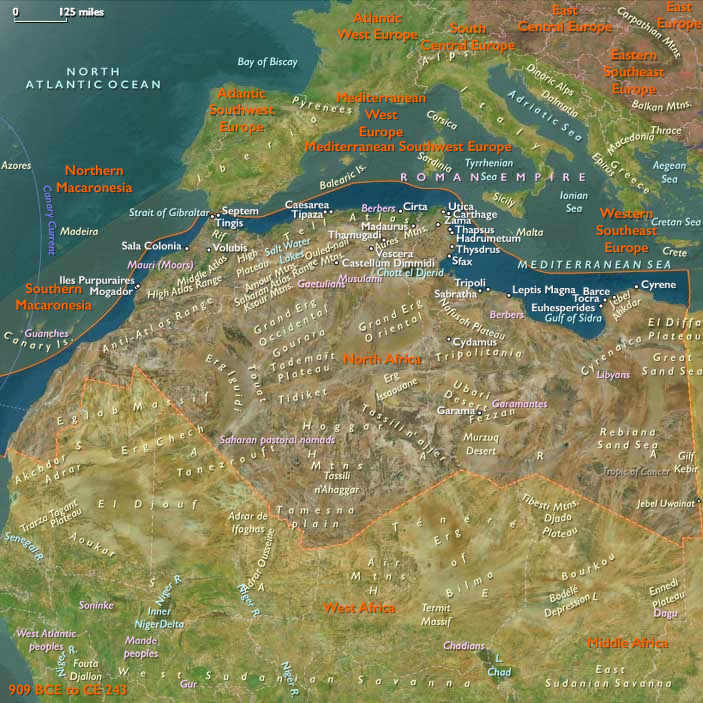
From 549 to 538 BCE, Carthage further solidifies its dominance in Mediterranean maritime trade, leveraging its powerful navy and advanced harbor facilities. Continued expansion and the fortification of key colonies in regions like Iberia, Sicily, Sardinia, and the Balearic Islands enhance Carthage’s strategic economic position. Its growing commercial empire ensures sustained prosperity and heightened political influence throughout the Mediterranean.
Diplomatic Relations and Rivalries with Greek Colonies
During this period, Carthage navigates carefully managed diplomatic relationships with Greek city-states, particularly Cyrene. Despite persistent competition, especially over control of trade routes and resource-rich territories, diplomatic measures continue to mitigate significant conflicts. Cyrene's economic success and strategic position enhance its stature as an influential Mediterranean power, further intensifying competitive dynamics with Carthage.
Integration and Prosperity of Berber Communities
Coastal Berber populations increasingly integrate economically and culturally with Carthaginian trade networks, adopting Phoenician agricultural practices, maritime techniques, and artisanal innovations. These interactions significantly boost regional prosperity, enhancing quality of life and economic security for Berber communities while preserving their cultural heritage.
Inland Berber societies remain autonomous, maintaining their traditional social structures and livelihoods. While geographically isolated, these communities benefit indirectly from expanding coastal trade and economic activity, ensuring continued stability and independence.
Cultural Flourishing and Increased Syncretism
Cultural interactions among Berber, Carthaginian, and Greek populations continue to thrive, fostering creative hybrid expressions in art, pottery, textiles, and metalwork. These interactions lead to enriched regional cultural identities, exemplified through increased religious and cultural syncretism. Indigenous Berber beliefs increasingly intertwine with Phoenician and Greek spiritual practices, reflecting the region's growing cultural complexity and interconnectedness.
Stability and Foundations for Continued Growth
By 538 BCE, North Africa remains stable and prosperous, supported by Carthage's robust maritime empire and Cyrene’s flourishing economy. Strategic diplomacy and economic interdependence help manage regional rivalries effectively, ensuring an environment conducive to ongoing development. These conditions solidify a resilient foundation, paving the way for continued geopolitical influence and cultural enrichment in the region.
People
Groups
- Phoenicians
- Tyre, Kingdom of (Phoenicia)
- Berber people (also called Amazigh people or Imazighen, "free men", singular Amazigh)
- Carthage, Kingdom of
- Greeks, Classical
- Magna Graecia
- Cyrene
Topics
Commodoties
Subjects
Regions
Subregions
Related Events
Showing 2 events out of 2 total
Years: 549BCE - 538BCE
People
Groups
- Phoenicians
- Tyre, Kingdom of (Phoenicia)
- Berber people (also called Amazigh people or Imazighen, "free men", singular Amazigh)
- Carthage, Kingdom of
- Greeks, Classical
- Magna Graecia
- Cyrene
Topics
Commodoties
Subjects
Regions
Subregions