
North Africa (321–310 BCE) Carthaginian Resilience, …
Years: 321BCE - 310BCE
North Africa (321–310 BCE)
Carthaginian Resilience, Cyrenaic Stability, and Berber Consolidation
Carthaginian Naval Supremacy and Regional Adaptation
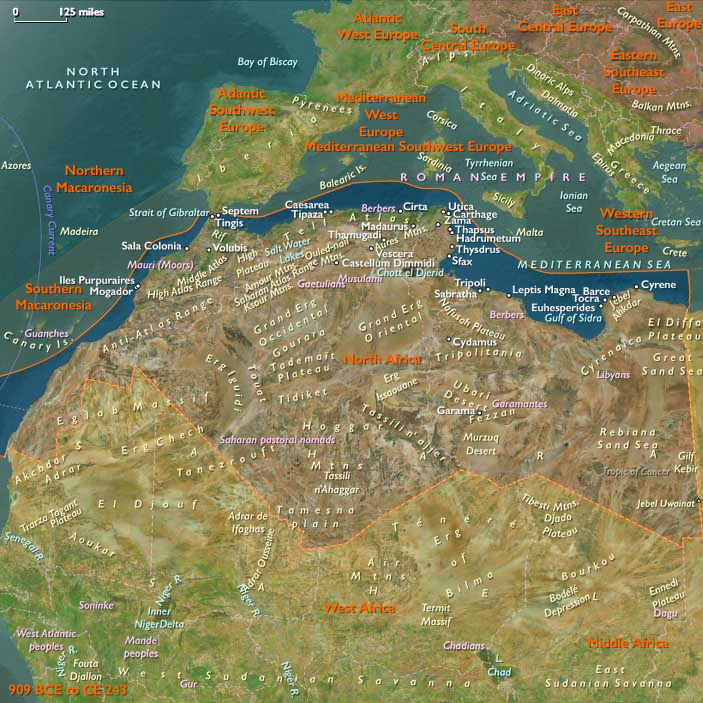
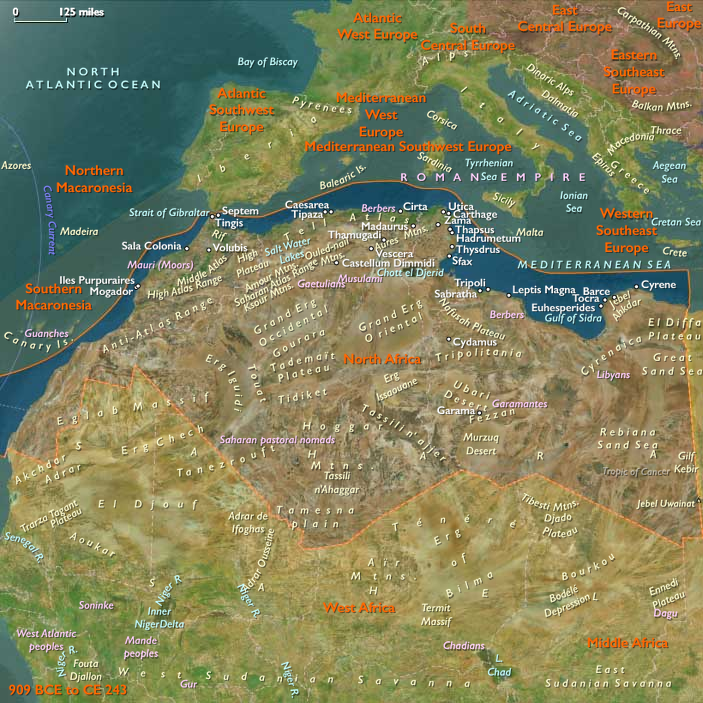
From 321 to 310 BCE, Carthage maintains strong maritime dominance, strategically enhancing its naval power to secure crucial Mediterranean trade routes and safeguard its territorial possessions. Amid the complex geopolitical aftermath of Alexander the Great's death, Carthage remains cautious yet adaptive, focusing primarily on consolidating control over northern Tunisia and essential colonies such as Leptis and Oea (modern Tripoli).
Carthage further solidifies its economic relationships with Berber tribes in the interior, maintaining a mutually beneficial flow of resources. Key trading centers like Tangier flourish, enhancing economic cooperation and integration between coastal settlements and inland Berber populations.
Diplomatic Prudence and Regional Stability
Carthaginian diplomacy during this era is characterized by careful vigilance, skillfully navigating the shifting alliances and rivalries among emerging Hellenistic states. Avoiding direct entanglements, Carthage maintains strategic relations with Greek city-states, particularly Syracuse, ensuring ongoing peace and stability. This measured diplomatic approach enables Carthage to protect its commercial interests and territorial integrity amid regional uncertainties.
Cyrenaica’s Economic Robustness and Diplomatic Skill
The Greek Pentapolis—Cyrene, Barce (Al Marj), Euhesperides (Benghazi), Teuchira (Tukrah), and Apollonia (Susah)—continues its economic prosperity, driven by stable exports of grain, fruit, horses, and the highly valued medicinal plant Silphium. Cyrene maintains significant investments in infrastructure and religious institutions, underscoring sustained regional strength and political independence.
Cyrenaica skillfully negotiates its diplomatic position within the changing dynamics of Hellenistic rule in Egypt and the broader Mediterranean. By balancing external pressures from neighboring powers, the Pentapolis successfully retains its autonomy and Greek cultural heritage.
Strengthened Berber Economic Integration and Autonomy
Berber communities continue deepening their integration with Carthaginian trade networks, embracing advanced agricultural techniques, maritime practices, and artisanal skills. Key coastal cities, notably Oea (Tripoli), sustain their roles as essential economic hubs, fostering stable regional prosperity.
Inland Berber tribes preserve their autonomy, maintaining traditional governance systems and cultural identities. Their indirect participation in prosperous coastal trade networks bolsters economic resilience and regional stability.
Intensified Cultural Interaction and Religious Syncretism
Cultural exchanges among Berber, Carthaginian, and Greek communities intensify, stimulating vibrant artistic and artisanal development, notably in pottery, textiles, and metalwork. Religious syncretism further matures, blending indigenous Berber spiritual practices with Phoenician and Greek traditions, enriching regional cultural complexity and cohesion.
Sustained Regional Stability Amid Changing Times
By 310 BCE, North Africa continues demonstrating notable political stability, economic vitality, and rich cultural integration. Carthage’s careful maritime and diplomatic strategies, Cyrenaica’s effective regional negotiations, and robust Berber integration together form a resilient foundation, securing continued prominence and influence in the Mediterranean.
People
Groups
- Berber people (also called Amazigh people or Imazighen, "free men", singular Amazigh)
- Carthage, Kingdom of
- Greeks, Classical
- Syracuse, Corinthian city-state of
- Macedon, Argead Kingdom of
- Cyrene
- Egypt, Alexandrine
Topics
Commodoties
Subjects
Regions
Subregions
Related Events
Showing 10 events out of 64277 total
Years: 321BCE - 310BCE
People
Groups
- Berber people (also called Amazigh people or Imazighen, "free men", singular Amazigh)
- Carthage, Kingdom of
- Greeks, Classical
- Syracuse, Corinthian city-state of
- Macedon, Argead Kingdom of
- Cyrene
- Egypt, Alexandrine
Topics
Commodoties
Subjects
Regions
Subregions