
North Africa (1984–2007 CE) Economic Struggles, …
Years: 1996 - 2007
North Africa (1984–2007 CE)
Economic Struggles, Political Unrest, and International Realignments
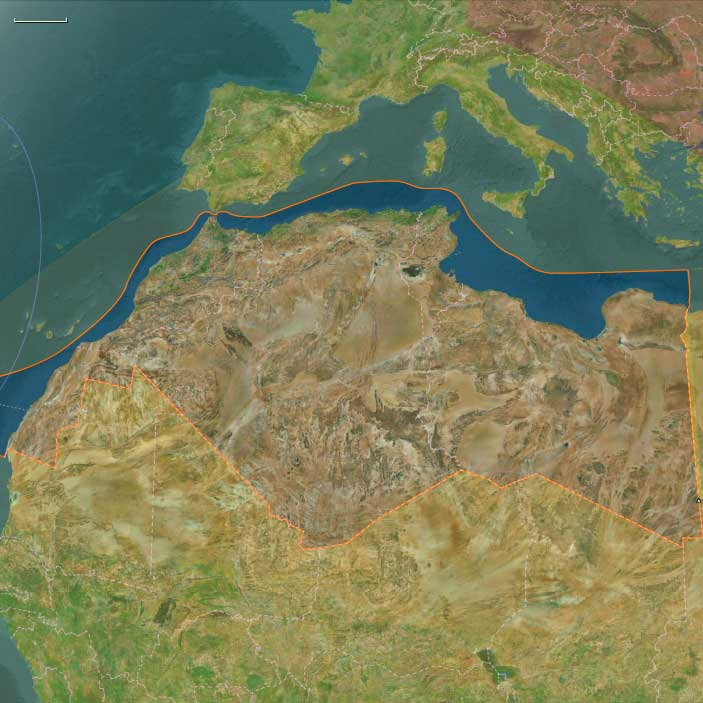
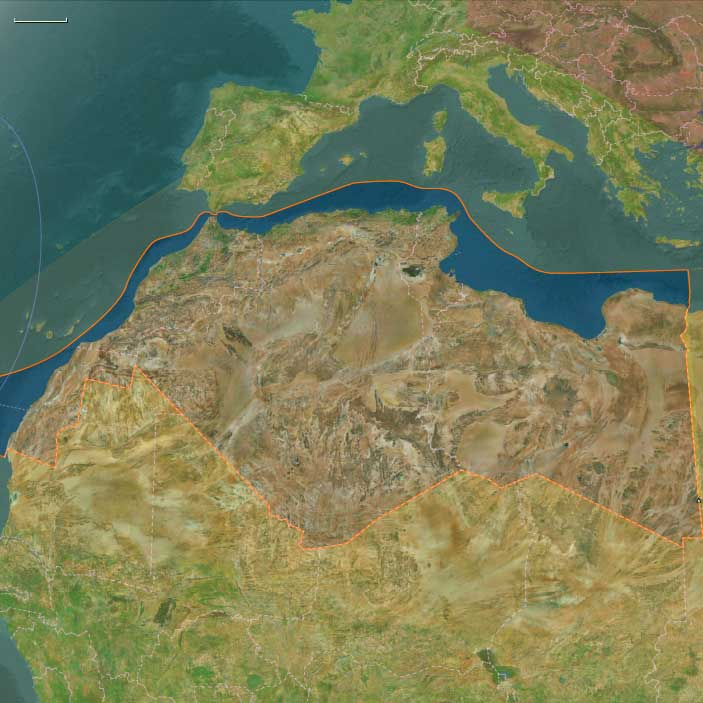
The period between 1984 and 2007 in North Africa is marked by widespread economic difficulties, rising political unrest, significant international realignments, and ongoing regional tensions. Authoritarian regimes remain dominant, although socioeconomic pressures and global events increasingly challenge their stability and control.
Algeria: Economic Crisis, Civil War, and Fragile Reconciliation
Under President Chadli Bendjedid, Algeria faces deepening economic troubles exacerbated by declining oil and gas revenues in the mid-1980s. Economic liberalization measures lead to severe social dislocations, increased unemployment, and widening inequalities.
Public frustration culminates in widespread protests and riots in October 1988, prompting Bendjedid to initiate unprecedented political reforms, including a new constitution in 1989 allowing multiparty elections. These reforms inadvertently empower Islamist groups, particularly the Islamic Salvation Front (FIS), which gains significant electoral support.
The FIS’s electoral victory in local elections in 1990, followed by a decisive win in parliamentary elections in December 1991, alarms the military and secular elites. In January 1992, the military intervenes, cancels elections, forces Bendjedid’s resignation, and bans the FIS, triggering a brutal and prolonged civil war.
Throughout the 1990s, violence escalates dramatically, resulting in over 100,000 deaths. Gradually, the government regains control, especially after President Abdelaziz Bouteflika takes office in 1999, initiating reconciliation through the Civil Concord Law, granting amnesty to insurgents who renounce violence. Although major violence subsides by the early 2000s, sporadic attacks and instability persist.
Tunisia: Transition from Bourguiba to Ben Ali
Tunisia experiences major political changes when President Habib Bourguiba is deposed in a bloodless coup by Prime Minister Zine El Abidine Ben Ali in November 1987. Initially promising democratic reforms, Ben Ali reverses these liberal policies by the early 1990s, consolidating power through authoritarian measures, tightly controlled elections, suppression of opposition—particularly Islamist groups—and extensive surveillance.
Despite authoritarianism, Tunisia maintains relative social stability and moderate economic growth through continued investment in education, healthcare, and tourism. By 2007, however, socioeconomic grievances and political repression lay the foundations for future unrest.
Libya: Confrontation, Sanctions, and Partial Rehabilitation
Under Colonel Muammar Gaddafi, Libya’s confrontational foreign policy leads to escalating international isolation. Tensions with Western powers intensify dramatically, culminating in U.S. airstrikes in 1986 and severe international sanctions following the bombing of Pan Am Flight 103 in 1988.
The 1990s see Libya severely isolated, with crippling sanctions imposed by the UN in 1992. Economic hardships mount as sanctions significantly affect Libya’s oil-dependent economy, causing widespread shortages and social discontent.
However, from 1999 onward, Libya undertakes a diplomatic rehabilitation, surrendering Lockerbie bombing suspects for trial and accepting responsibility for the attack in 2003, leading to sanctions relief. By 2007, Libya partially reintegrates into the international community, though domestic political reform remains elusive.
Morocco: Hassan II’s Pragmatism and Continued Western Sahara Conflict
In Morocco, King Hassan II maintains authoritarian rule but introduces cautious political and economic reforms. Limited political liberalization includes carefully managed multiparty elections, while economic reforms encourage foreign investment and private enterprise.
The Western Sahara conflict remains significant, despite UN-sponsored ceasefire negotiations in 1991. Hassan II’s successor, King Mohammed VI (from 1999), expands reforms slightly, addressing some human rights issues and promoting economic development, yet retains tight control over political processes. Morocco’s alliance with Western powers, notably France and the United States, remains strong.
Regional Dynamics and Global Influences
North Africa is deeply affected by global geopolitical shifts, notably the end of the Cold War, altering regional alignments and economic strategies. The region’s oil-dependent economies experience severe strain due to fluctuating global prices, prompting varying degrees of reform and austerity measures.
Political Islam remains influential across North Africa, driving societal tensions and political developments. Governments respond with repression or limited accommodation, but persistent unemployment, poverty, and lack of political freedom contribute to ongoing instability.
By 2007, North Africa confronts persistent challenges characterized by authoritarian resilience, economic volatility, and deepening social divisions, setting the stage for future complexities, potential reforms, conflicts, and upheavals.
People
- Abdelaziz Bouteflika
- Chadli Bendjedid
- Hassan II of Morocco
- Mohammed VI of Morocco
- Muammar Gaddafi
- Zine El Abidine Ben Ali
Groups
- Arab people
- Berber people (also called Amazigh people or Imazighen, "free men", singular Amazigh)
- Islam
- Muslims, Sunni
- Muslims, Shi'a
- Muslims, Ibadi
- Alawi dynasty
- Morocco, 'Alawi (Filali) Sultanate of
- United States of America (US, USA) (Washington DC)
- Senussi, or Sanussi
- Italy (Italian Republic)
- United Nations, The (U.N.)
- Tunisia, Republic of
- Morocco
- Algeria
- Libya (Libyan Arab Republic)
- Western Sahara (most of territory occupied by Morocco, the rest administered by the Sahrawi Arab Democratic Republic; see also foreign relations of Western Sahara.)
Commodoties
Subjects
Regions
Subregions
Related Events
Showing 10 events out of 764 total
Years: 1996 - 2007
People
- Abdelaziz Bouteflika
- Chadli Bendjedid
- Hassan II of Morocco
- Mohammed VI of Morocco
- Muammar Gaddafi
- Zine El Abidine Ben Ali
Groups
- Arab people
- Berber people (also called Amazigh people or Imazighen, "free men", singular Amazigh)
- Islam
- Muslims, Sunni
- Muslims, Shi'a
- Muslims, Ibadi
- Alawi dynasty
- Morocco, 'Alawi (Filali) Sultanate of
- United States of America (US, USA) (Washington DC)
- Senussi, or Sanussi
- Italy (Italian Republic)
- United Nations, The (U.N.)
- Tunisia, Republic of
- Morocco
- Algeria
- Libya (Libyan Arab Republic)
- Western Sahara (most of territory occupied by Morocco, the rest administered by the Sahrawi Arab Democratic Republic; see also foreign relations of Western Sahara.)
Commodoties
Subjects
Regions
Subregions