
North Africa (1972–1983 CE) Political Consolidation, …
Years: 1972 - 1983
North Africa (1972–1983 CE)
Political Consolidation, Regional Tensions, and Economic Challenges
Between 1972 and 1983, North Africa faces a period characterized by political consolidation, intensified regional tensions, economic challenges, and shifting international alignments. This era is defined by the solidification of authoritarian regimes, contentious territorial disputes, and socioeconomic reforms influenced by fluctuating global economic conditions.
Algeria: Boumédiène’s Legacy and the Rise of Chadli Bendjedid
Under President Houari Boumédiène, Algeria continues its drive for socialist transformation, prioritizing heavy industrialization, land reform, and a centralized economy. The nation experiences significant infrastructural growth, funded largely by revenues from its oil and natural gas exports. Boumédiène also pursues an assertive foreign policy, advocating strongly for Third World solidarity and non-alignment.
Boumédiène’s sudden death in 1978 triggers political uncertainty until Colonel Chadli Bendjedid assumes the presidency in 1979. Bendjedid initiates cautious economic liberalization, easing state control and encouraging private sector involvement, though political reform remains limited. His early tenure sees increased internal debate over economic strategy, foreshadowing later reforms.
Tunisia: Stability Under Bourguiba Amid Social Pressures
Tunisia continues under the strong leadership of President Habib Bourguiba, who maintains his commitment to secularism, modernization, and Western-aligned economic policies. The period is marked by sustained investments in education, healthcare, and tourism, which contribute to modest economic growth.
Nevertheless, economic disparities, unemployment, and rural poverty persist, occasionally sparking social unrest. The government responds with increased repression of dissent, solidifying a single-party political system. Despite these tensions, Bourguiba’s international reputation remains largely positive, buoyed by his moderate stance in regional conflicts and Cold War geopolitics.
Libya: Gaddafi’s Radical Policies and International Isolation
Under Colonel Muammar Gaddafi, Libya undergoes significant ideological, social, and political changes. Gaddafi intensifies his implementation of the Jamahiriya ("state of the masses") system, emphasizing direct governance by people's committees. He aggressively nationalizes key economic sectors, notably oil, providing substantial wealth used for expansive social welfare and infrastructure projects.
Internationally, Libya’s increasingly confrontational policies, including support for revolutionary movements and anti-Western stances, lead to growing isolation. By the early 1980s, Libya faces mounting tension with Western powers, notably the United States, resulting in diplomatic confrontations and economic sanctions.
Morocco: Hassan II’s Authoritarian Stability and the Western Sahara Conflict
In Morocco, King Hassan II maintains strict authoritarian control, simultaneously advancing cautious economic reforms aimed at attracting foreign investment and modernizing agriculture. However, political opposition is routinely suppressed, and human rights abuses become widespread.
The Western Sahara conflict escalates significantly after Morocco’s 1975 "Green March," aimed at annexing the territory following Spain’s withdrawal. Morocco’s claim to sovereignty sparks a protracted conflict with the Sahrawi Polisario Front, leading to guerrilla warfare and international diplomatic efforts to resolve the dispute. This conflict drains Moroccan resources and complicates regional diplomacy.
Regional Dynamics and Economic Fluctuations
Regionally, North Africa experiences mixed economic fortunes. The 1973 oil crisis temporarily boosts revenue for oil-exporting states such as Algeria and Libya, enabling ambitious development projects and social welfare programs. However, by the early 1980s, global oil price fluctuations, inflation, and economic mismanagement lead to increasing debt burdens and economic strain across the region.
Political authoritarianism remains entrenched, with limited scope for genuine political pluralism or dissent. Governments across North Africa prioritize stability and centralized control over democratic reform, employing various degrees of repression and patronage.
By 1983, North Africa stands at a complex crossroads: politically stable but economically vulnerable, regionally tense but internationally prominent. The subsequent years promise continued challenges shaped by unresolved conflicts, economic pressures, and domestic demands for greater freedom and social justice.
People
- Chadli Bendjedid
- Habib Bourguiba
- Hassan II of Morocco
- Houari Boumédiène
- Mohammed V of Morocco
- Muammar Gaddafi
Groups
- Arab people
- Berber people (also called Amazigh people or Imazighen, "free men", singular Amazigh)
- Islam
- Muslims, Sunni
- Muslims, Shi'a
- Muslims, Ibadi
- Alawi dynasty
- Morocco, 'Alawi (Filali) Sultanate of
- United States of America (US, USA) (Washington DC)
- Senussi, or Sanussi
- Spanish Sahara (Rio de Oro, Spanish Protectorate of)
- Spain, Franconian Regency of (Spanish State)
- Italy (Italian Republic)
- Libya, Kingdom of
- Tunisia, Republic of
- Morocco
- France (French republic); the Fifth Republic
- Algeria
- Libya (Libyan Arab Republic)
- Western Sahara (most of territory occupied by Morocco, the rest administered by the Sahrawi Arab Democratic Republic; see also foreign relations of Western Sahara.)
- Spain, Bourbon Kingdom of (third restoration)
Topics
Commodoties
Subjects
Regions
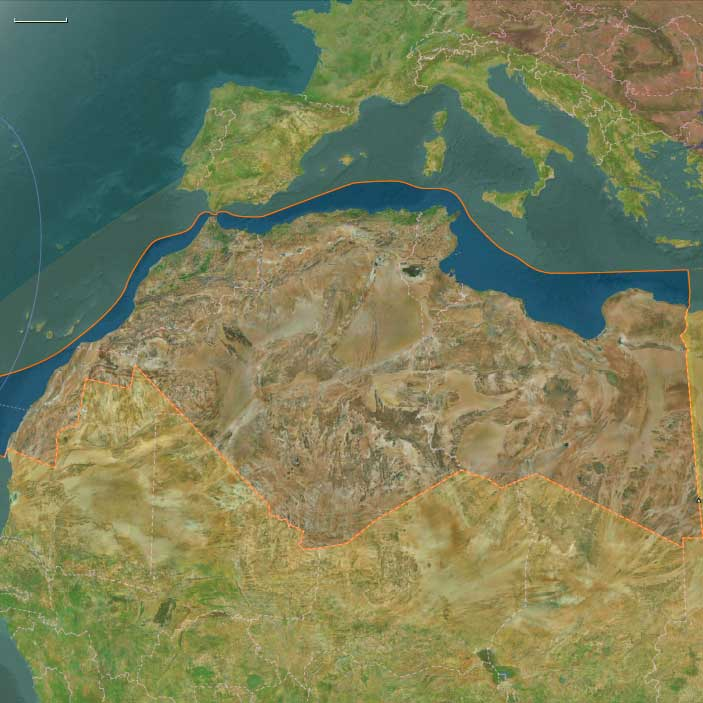
Subregions
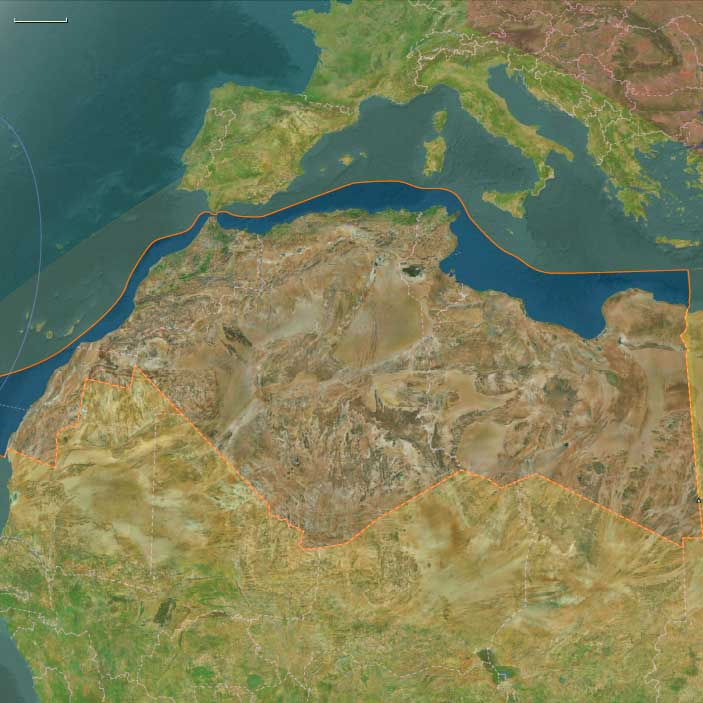
Related Events
Showing 10 events out of 2588 total
Years: 1972 - 1983
People
- Chadli Bendjedid
- Habib Bourguiba
- Hassan II of Morocco
- Houari Boumédiène
- Mohammed V of Morocco
- Muammar Gaddafi
Groups
- Arab people
- Berber people (also called Amazigh people or Imazighen, "free men", singular Amazigh)
- Islam
- Muslims, Sunni
- Muslims, Shi'a
- Muslims, Ibadi
- Alawi dynasty
- Morocco, 'Alawi (Filali) Sultanate of
- United States of America (US, USA) (Washington DC)
- Senussi, or Sanussi
- Spanish Sahara (Rio de Oro, Spanish Protectorate of)
- Spain, Franconian Regency of (Spanish State)
- Italy (Italian Republic)
- Libya, Kingdom of
- Tunisia, Republic of
- Morocco
- France (French republic); the Fifth Republic
- Algeria
- Libya (Libyan Arab Republic)
- Western Sahara (most of territory occupied by Morocco, the rest administered by the Sahrawi Arab Democratic Republic; see also foreign relations of Western Sahara.)
- Spain, Bourbon Kingdom of (third restoration)
Topics
Commodoties
Subjects
Regions
Subregions