
North Africa (165–154 BCE) Sustained Economic …
Years: 165BCE - 154BCE
North Africa (165–154 BCE)
Sustained Economic Growth, Diplomatic Prudence, and Cultural Flourishing
Carthaginian Economic Consolidation and Diplomatic Stability
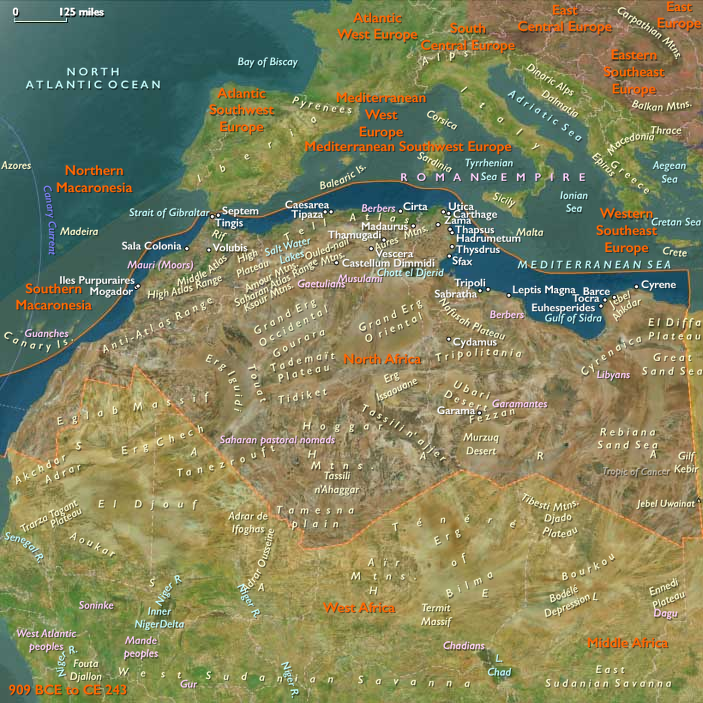
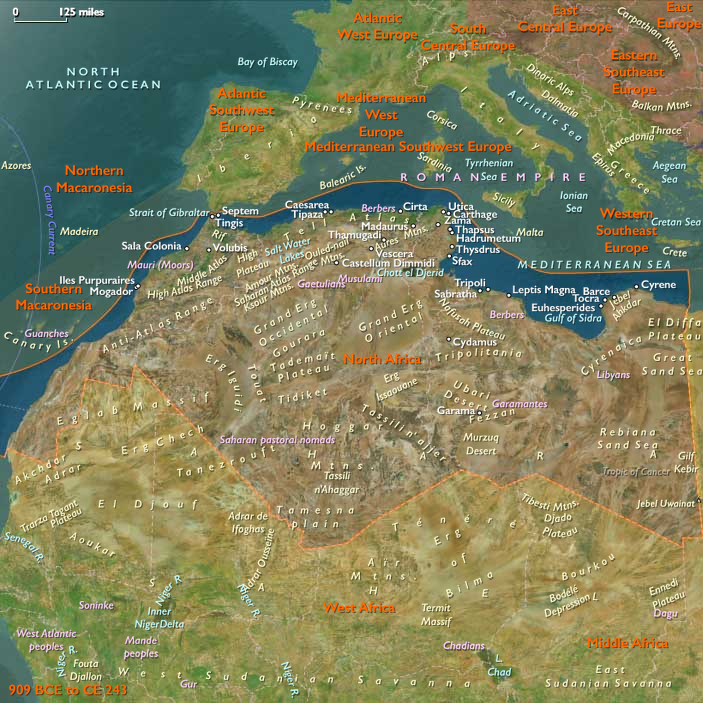
From 165 to 154 BCE, Carthage further solidifies its economic resurgence, continuing strategic investments in agriculture and regional commerce. Increased productivity in fertile hinterlands and sustained activity in critical trade centers such as Leptis and Oea (modern Tripoli) underpin Carthage’s renewed economic strength.
Diplomatically, Carthage maintains cautious and balanced relations with Rome and neighboring Mediterranean powers, prioritizing regional stability and economic continuity. This prudent diplomatic stance prevents new conflicts and allows Carthage to steadily strengthen its internal and external positions.
Cyrenaica’s Continued Economic Prosperity and Cultural Prominence
Under continued Ptolemaic oversight, Cyrenaica sustains its economic prosperity through ongoing trade in grain, wine, wool, livestock, and particularly the valuable medicinal plant Silphium. The Greek Pentapolis—Cyrene, Barce (Al Marj), Euhesperides (Benghazi), Teuchira (Tukrah), and Apollonia (Susah)—maintains political autonomy and consistent economic growth.
In 155 BCE, Ptolemy VIII Euergetes travels to Rome to seek support for acquiring Cyprus, bequeathing the kingdom of Cyrene to Rome should he die prematurely. Although initially supported by the Roman Senate, his brother, Ptolemy VI Philometor, effectively employs diplomacy to delay Roman intervention. In 154 BCE, Philometor successfully defeats his brother's military attempt to seize Cyprus. Nevertheless, Philometor generously restores Euergetes to rule in Cyrenaica, arranges his marriage to a daughter, and grants him a grain subsidy. The Roman statesman Cato the Elder praises Philometor’s wise and beneficent rule, further stabilizing the Hellenistic Egyptian kingdom.
Cyrene remains a major cultural and intellectual center, attracting scholars and philosophers drawn to its renowned academies, medical schools, and architectural splendor. This ongoing intellectual and cultural vibrancy reinforces Cyrenaica’s distinguished role in the Hellenistic world.
Masinissa’s Succession and Numidian Stability
In 165–154 BCE, Numidia remains stable and prosperous under Masinissa, who successfully manages diplomatic and economic ties until his death in 148 BCE. Succession sees his son, Micipsa, continue his policies of cautious diplomacy and economic development.
Berber Economic Integration and Cultural Stability
Berber communities continue their active engagement with regional economies, substantially contributing to trade, agriculture, and artisanal industries. Prosperous coastal economic hubs, notably Oea (Tripoli), deepen their role in regional trade networks, enhancing economic connectivity between coastal and inland Berber populations.
Inland Berber tribes uphold their autonomy and traditional governance structures, indirectly benefiting from coastal prosperity. This interdependence sustains regional stability, economic resilience, and cultural continuity.
Cultural Exchange and Religious Syncretism
The dynamic interactions among Berber, Carthaginian, and Greek communities continue enriching local artistic and artisanal traditions, particularly in pottery, textiles, and metalwork. Religious syncretism thrives, seamlessly merging indigenous Berber beliefs with Phoenician and Greek religious practices, further enriching North Africa’s cultural diversity and complexity.
Robust Foundations for Regional Stability
By 154 BCE, North Africa firmly establishes itself on a trajectory of sustained economic prosperity, diplomatic prudence, and cultural integration. Carthage’s economic consolidation and diplomatic care, Cyrenaica’s cultural prominence, and Berber communities’ enduring stability collectively ensure regional coherence and ongoing prominence within the broader Mediterranean geopolitical framework.
People
Groups
- Berber people (also called Amazigh people or Imazighen, "free men", singular Amazigh)
- Carthage, Kingdom of
- Cyrene
- Roman Republic
- Egypt, Ptolemaic Kingdom of
- Numidia, Kingdom of
- Cyprus, Roman
- Cyrenaica, (Ptolemaic) Kingdom of
Commodoties
Subjects
Regions
Subregions
Years: 165BCE - 154BCE
People
Groups
- Berber people (also called Amazigh people or Imazighen, "free men", singular Amazigh)
- Carthage, Kingdom of
- Cyrene
- Roman Republic
- Egypt, Ptolemaic Kingdom of
- Numidia, Kingdom of
- Cyprus, Roman
- Cyrenaica, (Ptolemaic) Kingdom of
Commodoties
Subjects
Regions
Subregions