
North Africa (129–118 BCE) Numidian Succession …
Years: 129BCE - 118BCE
North Africa (129–118 BCE)
Numidian Succession Tensions, Carthaginian Stability, Cyrenaic Prosperity, and Berber Resilience
Numidia: Rising Succession Challenges
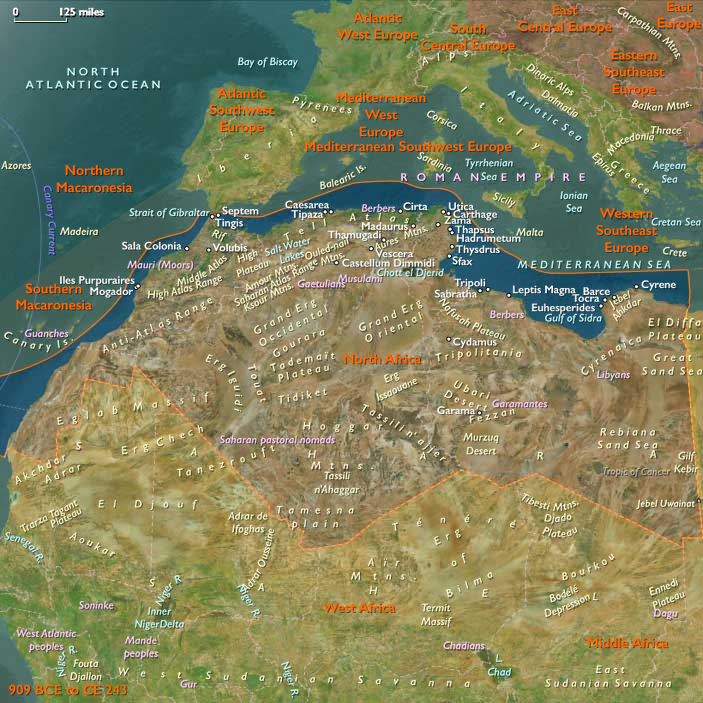
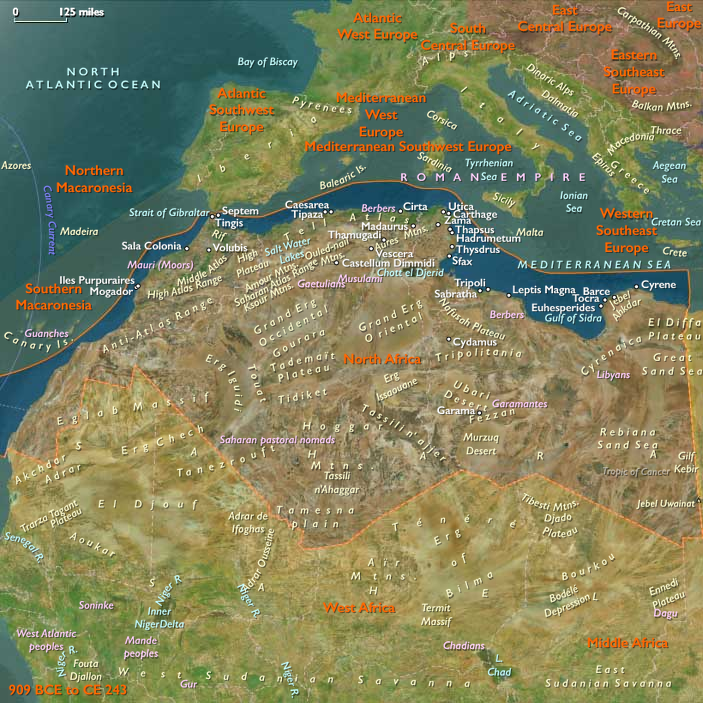
From 129 to 118 BCE, Numidia encounters significant internal strain due to mounting succession tensions among the heirs of King Micipsa, who succeeded Masinissa. Micipsa’s careful diplomacy and effective governance had previously ensured Numidian prosperity and stability, but as his reign nears its end, questions of succession increasingly destabilize the kingdom. These internal divisions begin laying the groundwork for future conflict and invite increased Roman diplomatic scrutiny and intervention in Numidian affairs.
Carthage: Continued Economic Strength and Diplomatic Prudence
During this era, Carthage sustains its economic recovery, remaining a vital economic center within Roman Africa Proconsularis. Carthaginian merchants and farmers continue to rebuild and expand trade networks, emphasizing agriculture, commerce, and manufacturing. The city maintains careful diplomatic relations with Rome, ensuring compliance with treaty obligations to avoid provoking Roman suspicion or intervention. Carthage's cultural presence remains influential, reflecting resilience and adaptability despite limited political autonomy.
Cyrenaica: Economic Stability and Cultural Flourishing
Cyrenaica continues to enjoy economic prosperity under stable Ptolemaic governance. The Greek Pentapolis—Cyrene, Barce (Al Marj), Euhesperides (Benghazi), Teuchira (Tukrah), and Apollonia (Susah)—retains strong economic activity, particularly through exports of grain, wine, wool, livestock, and the esteemed medicinal plant Silphium.
Cyrene maintains its celebrated status as an intellectual and cultural hub, continuing to attract distinguished scholars, philosophers, and medical practitioners. The city's academies, medical schools, and public institutions further enhance its status as a central node of Hellenistic culture and learning.
Roman Provincial Consolidation and Urban Development
Throughout 129–118 BCE, Roman authority in the province of Africa Proconsularis solidifies further. Urban development initiatives and infrastructure improvements enhance the economic and political strength of key Roman-controlled cities, notably Utica. Roman investment improves agricultural productivity, transportation infrastructure, and urban planning, reinforcing economic prosperity and administrative efficiency across the region.
Berber Communities: Economic Adaptation and Cultural Continuity
Berber communities remain actively involved in North Africa’s expanding economic landscape, increasingly integrated into Roman trade networks. Coastal trade hubs, particularly Oea (Tripoli), continue thriving through robust commercial exchanges with Roman and Mediterranean markets, indirectly bolstering inland Berber communities.
Inland Berber tribes persist in their traditional governance and cultural practices, benefiting indirectly from the coastal economic boom. This mutually beneficial relationship fosters continued economic stability and cultural resilience among the Berbers, reinforcing their integral role in regional dynamics.
Dynamic Cultural Exchange and Religious Syncretism
The period sees ongoing vibrant interactions among Berber, Roman, and Greek populations, enriching regional artistic and artisanal traditions in pottery, textiles, and metalwork. Religious syncretism remains an essential aspect of regional culture, harmoniously blending indigenous Berber traditions with Roman, Greek, and lingering Phoenician religious practices, further enriching North Africa’s diverse cultural tapestry.
Foundations for Continued Stability
By 118 BCE, North Africa maintains significant stability and prosperity despite Numidian internal tensions. Carthage’s ongoing economic strength, Cyrenaica’s stable governance, robust Roman provincial integration, and enduring Berber economic and cultural resilience collectively ensure continued regional prominence and stability within the Mediterranean geopolitical landscape.
People
Groups
- Berber people (also called Amazigh people or Imazighen, "free men", singular Amazigh)
- Roman Republic
- Numidia, Kingdom of
- Cyrenaica, (Ptolemaic) Kingdom of
- Africa proconsularis (Roman province)
- Tripolitania (Roman province)
Topics
Commodoties
Subjects
- Commerce
- Architecture
- Conflict
- Mayhem
- Faith
- Government
- Scholarship
- Metallurgy
- Medicine
- Philosophy and logic
Regions
Subregions
Related Events
Showing 10 events out of 63023 total
Years: 129BCE - 118BCE
People
Groups
- Berber people (also called Amazigh people or Imazighen, "free men", singular Amazigh)
- Roman Republic
- Numidia, Kingdom of
- Cyrenaica, (Ptolemaic) Kingdom of
- Africa proconsularis (Roman province)
- Tripolitania (Roman province)
Topics
Commodoties
Subjects
- Commerce
- Architecture
- Conflict
- Mayhem
- Faith
- Government
- Scholarship
- Metallurgy
- Medicine
- Philosophy and logic
Regions
Subregions