
Nicholas Hilliard, the son of Richard Hilliard …
Years: 1573 - 1573
May
Nicholas Hilliard, the son of Richard Hilliard (1519–1594) of Exeter, Devon, England, a staunchly Protestant goldsmith who was high sheriff of the city and county in 1560, and Laurence, daughter of John Wall, a London goldsmith, may have been a close relative of Grace Hiller (Hilliar), first wife of Theophilus Eaton (1590–1657), the co-founder of New Haven Colony in America.
He appears to have been attached at a young age to the household of the leading Exeter Protestant John Bodley, the father of Thomas Bodley who founded the Bodleian Library in Oxford.
John Bodley went into exile on the accession of the Catholic Queen Mary I of England, and on May 8, 1557 Hilliard, then ten years old, was recorded in Geneva as one of an eleven-strong Bodley family group at a Calvinist service presided over by John Knox.
Calvinism does not seem to have struck with Hilliard, but the fluent French he had acquired abroad will prove useful.
Thomas Bodley, two years older, continued an intensive classical education under leading scholars in Geneva, but it is not clear to what extent Hilliard was given similar studies.
Hilliard had painted a portrait of himself at the age of thirteen in 1560 and is said to have executed one of Mary Queen of Scots when he was eighteen years old.
Apprenticed to the goldsmith Robert Brandon in 1562, Hilliard had emerged from his apprenticeship at a time when a new royal portrait painter was "desperately needed".
Two panel portraits long attributed to him, the "Phoenix" and "Pelican" portraits, are dated to about 1572-76.
The first true English miniature painter born in England, Hilliard had been appointed limner (miniaturist) and goldsmith to Elizabeth I at an unknown date; his first known miniature of the Queen is dated 1572, and already in 1573 he is granted the reversion of a lease by the Queen for his "good, true and loyal service."
He had made "a booke of portraitures" in 1571 for the Earl of Leicester, the Queen's favorite, which is likely to be how he became known to the Court; several of his children are to be named after Leicester and his circle.
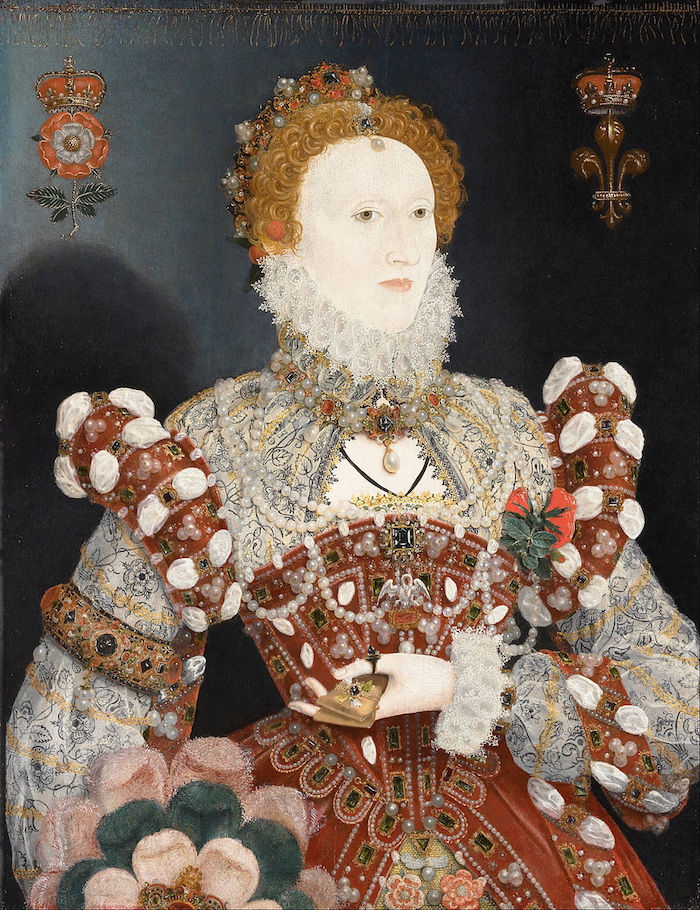
Nicholas Hilliard: Portrait of Queen Elizabeth I (About 1573 - About 1575). Oil on wood panel 787 mm (30.98 in). x 610 mm (24.02 in). Walker Art Gallery
Locations
People
Groups
Topics
- Protestant Reformation
- Counter-Reformation (also Catholic Reformation or Catholic Revival)
- Portraits, Baroque
- Elizabethan Period
- Western Art: 1564 to 1576
Subjects
Regions
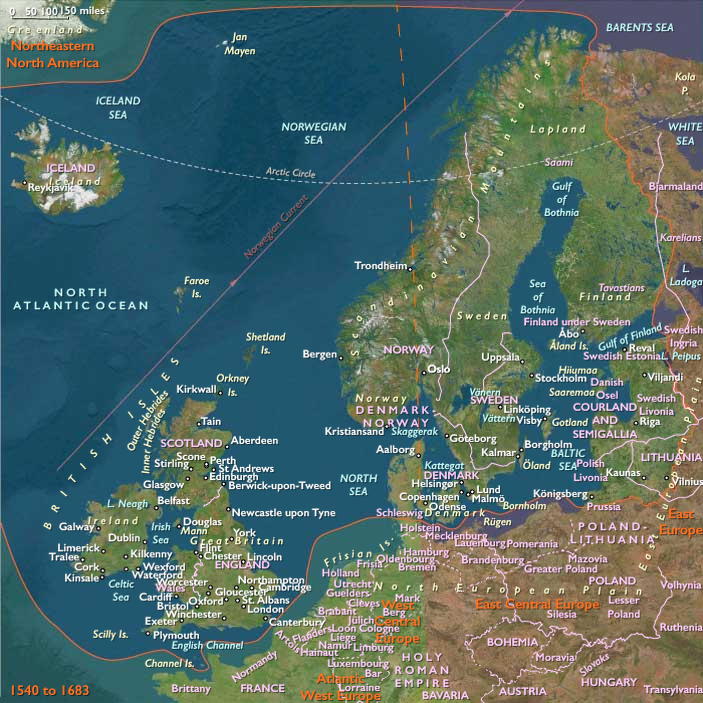
Subregions
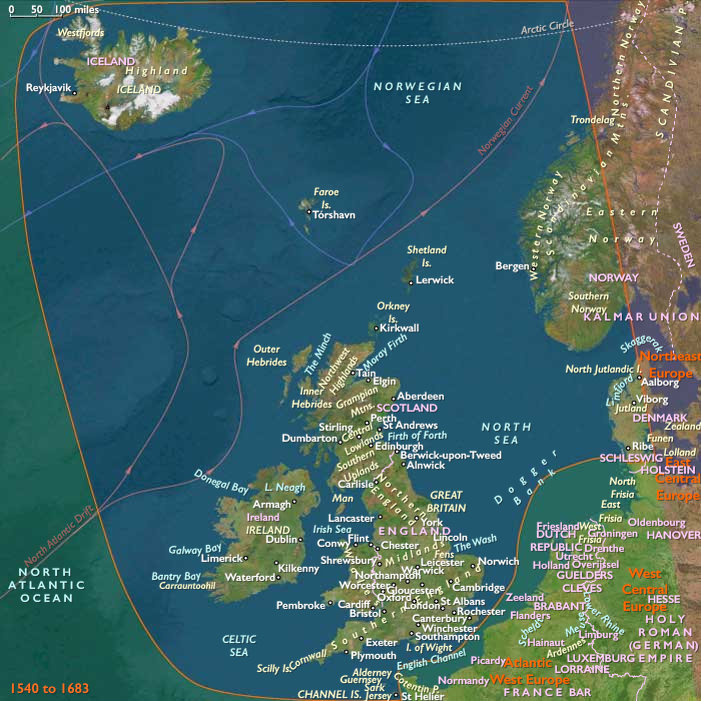
Related Events
Showing 10 events out of 35281 total
Years: 1573 - 1573
May
Nicholas Hilliard: Portrait of Queen Elizabeth I (About 1573 - About 1575). Oil on wood panel 787 mm (30.98 in). x 610 mm (24.02 in). Walker Art Gallery
Locations
People
Groups
Topics
- Protestant Reformation
- Counter-Reformation (also Catholic Reformation or Catholic Revival)
- Portraits, Baroque
- Elizabethan Period
- Western Art: 1564 to 1576
Subjects
Regions
Subregions