
Near East (273–262 BCE): Rivalries and Cultural …
Years: 273BCE - 262BCE
Near East (273–262 BCE): Rivalries and Cultural Consolidation in the Hellenistic World
The Hellenistic Near East remains a theater of intense rivalry among the dominant Macedonian successor states. The First Syrian War (274–271 BCE) between the Seleucid Empire under Antiochus I and Ptolemaic Egypt under Ptolemy II Philadelphus concludes with the consolidation of Ptolemaic authority over southern Syria, notably Palestine and the coastal cities, thereby securing Egypt's strategic interests along the Eastern Mediterranean.
Under the effective governance of Ptolemy II, Egypt experiences continued stability, prosperity, and significant cultural enrichment. Alexandria thrives as a cosmopolitan hub, attracting scholars and artists from across the Mediterranean world. The Library of Alexandria, already established as the preeminent intellectual institution, expands its collections dramatically, solidifying Alexandria’s position as the unrivaled center of Greek learning and culture.
Meanwhile, the Seleucid Empire, despite setbacks in its western provinces, seeks to stabilize its sprawling territories. Antiochus I, though militarily checked by Egypt, still controls a vast domain from Anatolia to Central Asia. He focuses on consolidating his rule internally, fostering urbanization and Greek cultural integration within his diverse territories, a hallmark of the Seleucid approach to imperial administration.
In Anatolia, regions such as Caria and Lycia, under firm Ptolemaic influence, continue to assimilate Greek traditions, evident in architecture, coinage, and civic organization. Local rulers balance loyalty to the Ptolemies with the assertion of regional autonomy, creating a dynamic political landscape marked by both cooperation and subtle rivalry.
Throughout the Near East, this era is defined by relative stability interspersed with diplomatic and military tensions. The great monarchies focus not only on their military fronts but also on embedding Hellenistic culture deeply into the societies under their rule, thereby laying enduring foundations for future cultural and political developments.
People
Groups
Topics
Subjects
Regions
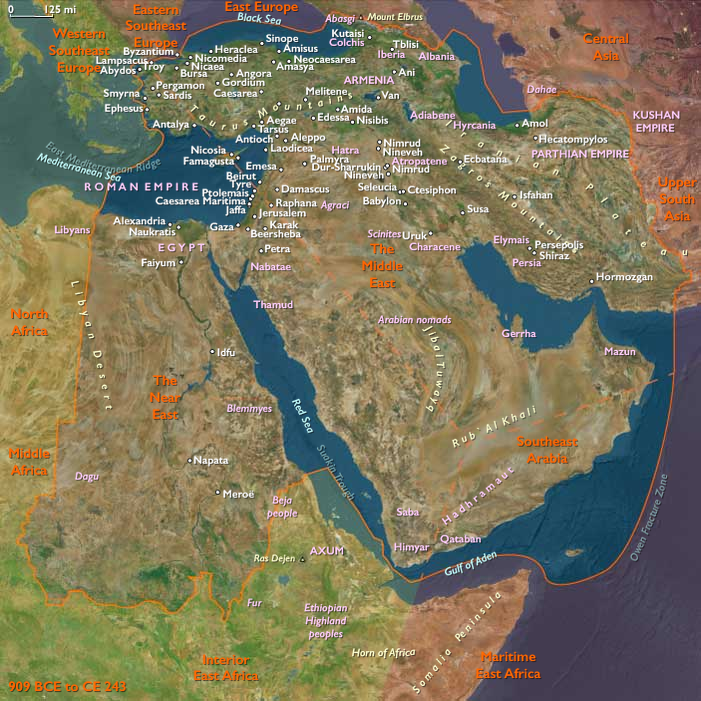
Subregions
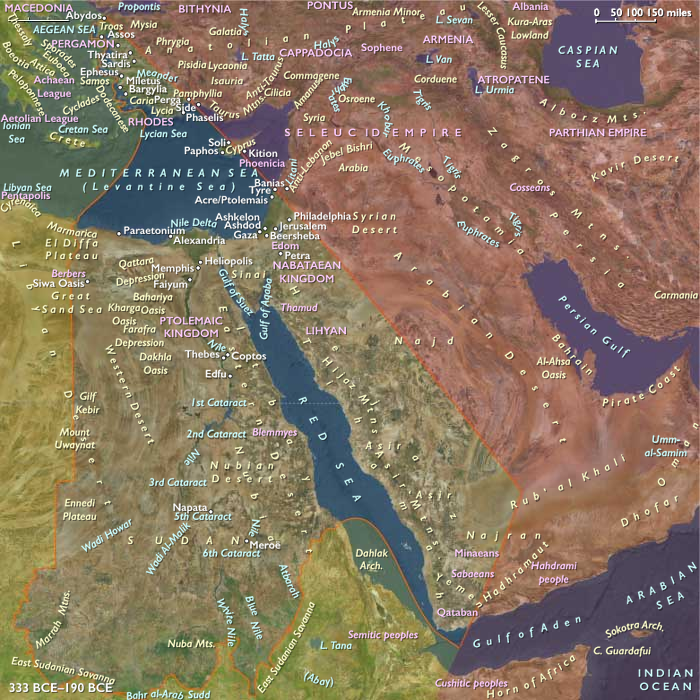
Related Events
Showing 10 events out of 63980 total
Years: 273BCE - 262BCE
People
Groups
Topics
Subjects
Regions
Subregions