
Near East (141–130 BCE): Artistic Excellence and …
Years: 141BCE - 130BCE
Near East (141–130 BCE): Artistic Excellence and Hasmonean Ascendancy
The era from 141 to 130 BCE in the Near East is characterized by notable cultural achievements and significant political developments, particularly involving Judaea and the declining Seleucid influence.
In the artistic realm, this period witnesses the creation of one of the most renowned masterpieces of ancient Greek sculpture, the Venus de Milo. Carved from marble by Alexandros of Antioch-on-the-Maeander between 130 and 100 BCE, the statue portrays the Greek goddess Aphrodite (Venus to the Romans), embodying beauty and love. Originally slightly larger than life-size at approximately two hundred and three centimeters (six feet eight inches), the statue is distinguished by its exquisite craftsmanship despite having lost part of an arm and its original plinth. Today, this celebrated sculpture resides in the Louvre Museum in Paris.
Politically, the era is defined by significant developments in Judaea, where the Seleucid pretender Diodotus recognizes Hasmonean sovereignty in exchange for a nominal tribute. This pivotal recognition establishes a theocratic government in Judaea—an institution unprecedented in biblical texts—and marks a critical juncture in Jewish history. Under native Hasmonean leadership, Judaea progressively asserts its autonomy, driving out the remaining Greco-Syrian Seleucid forces. The Hasmonean kingdom expands to a scale reminiscent of the semi-legendary united monarchy under King David. However, this growth is accompanied by persistent internal political and religious conflicts, reflecting the complex nature of governance and cultural identity in this transitional period.
Legacy of the Era
The era from 141 to 130 BCE solidifies cultural and political transformations that leave lasting imprints on the Near East. The creation of iconic art such as the Venus de Milo symbolizes the enduring Hellenistic influence, while the rise of the Hasmonean kingdom reshapes Judaea’s political and religious landscape, setting the stage for future historical dynamics in the region.
People
Groups
Subjects
Regions
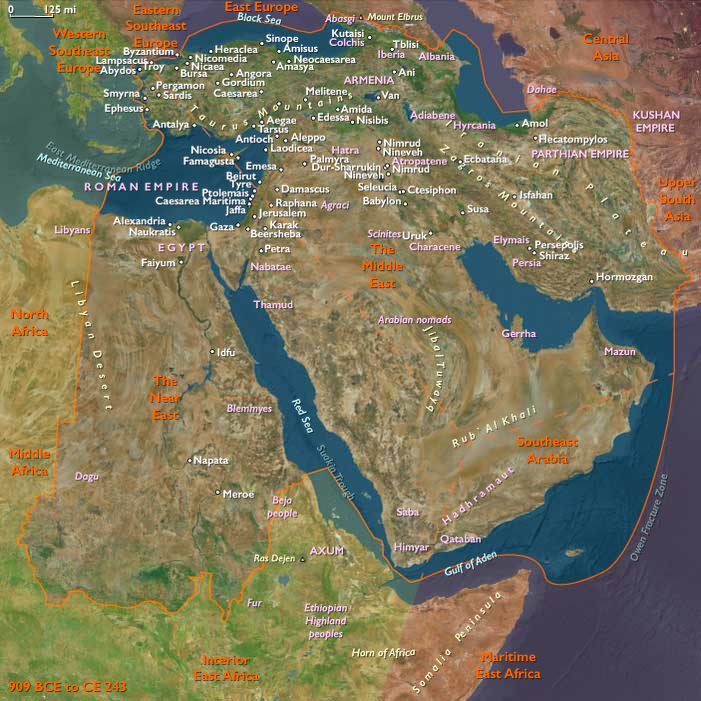
Subregions
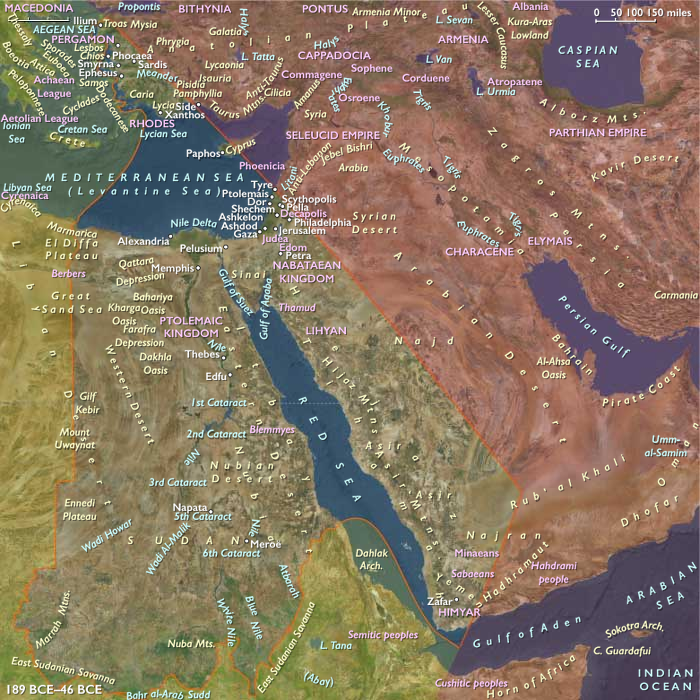
Related Events
Showing 10 events out of 177 total
Years: 141BCE - 130BCE
People
Groups
Subjects
Regions
Subregions