
Near East (93–82 BCE): Continuing Cultural Integration …
Years: 93BCE - 82BCE
Near East (93–82 BCE): Continuing Cultural Integration and Political Realignments
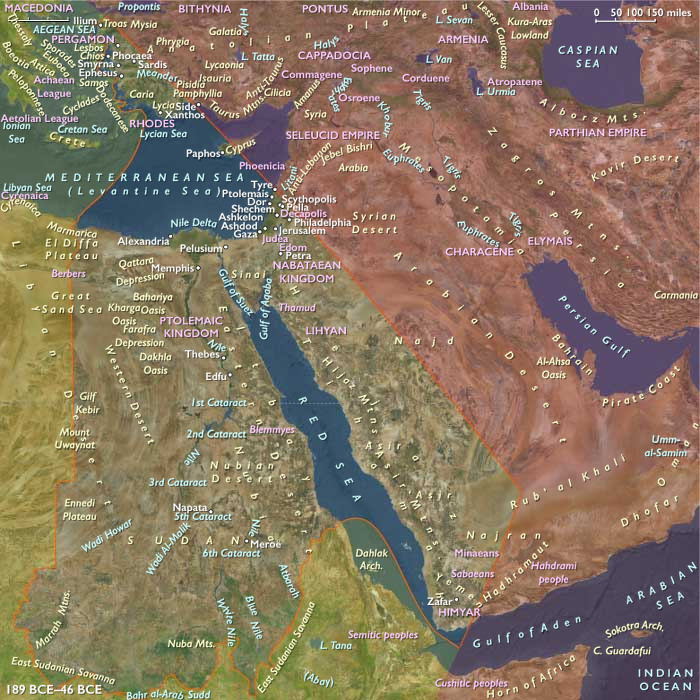
Between 93 and 82 BCE, the Near East continues to experience cultural integration and political realignments amid ongoing Hellenistic influences and local power struggles. In Anatolia and surrounding territories, the dominance of Greek culture remains significant, although it begins to interact more dynamically with emerging Roman influences and native traditions. This interaction is particularly noticeable in cities and regions previously integrated into the Hellenistic world, reflecting shifts in political affiliations and trade networks.
The period witnesses the strengthening of Roman presence and influence in the Eastern Mediterranean, which gradually reshapes regional politics, economy, and culture. Native rulers and local elites adapt to these changing circumstances by establishing diplomatic relationships and alliances to preserve their autonomy and prosperity.
Legacy of the Era
The era 93–82 BCE highlights the transition from purely Hellenistic cultural dominance towards increasing Roman influence, setting the stage for more profound transformations in governance, culture, and society across the Near East.
Groups
Subjects
Regions
Subregions
Related Events
Showing 3 events out of 3 total
Years: 93BCE - 82BCE
Groups
Subjects
Regions
Subregions