
The Year 1801 – A Turning Point …
Years: 1801 - 1801
The Year 1801 – A Turning Point in the Napoleonic Wars
The year 1801 saw major geopolitical shifts and military campaigns across Europe, the Middle East, and the Atlantic world, as Britain expanded its war effort, France sought to consolidate its victories, and conflicts raged in Portugal, Egypt, and the Caribbean.
Formation of the United Kingdom (January 1, 1801)
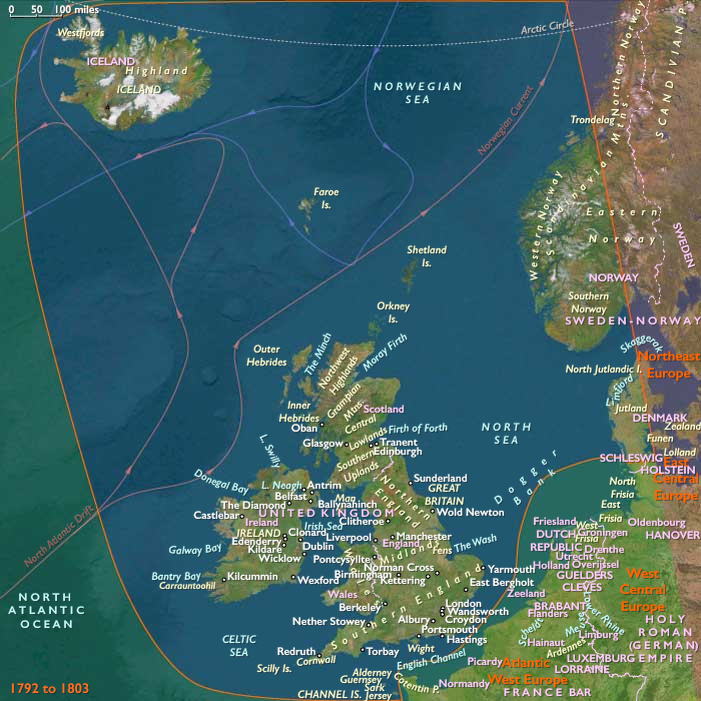
On January 1, 1801, the Acts of Union officially merged the Kingdom of Great Britain and the Kingdom of Ireland, creating the United Kingdom of Great Britain and Ireland.
- This political union unified the British Isles under a single government, strengthening Britain’s war effort against France.
- Ireland, long under British rule, was now fully integrated into the United Kingdom, though Irish resentment and unrest remained.
- The war against revolutionary and Napoleonic France was now a national struggle for the entire British Isles.
The Treaty of Lunéville – France Strengthens Its Dominance (February 9, 1801)
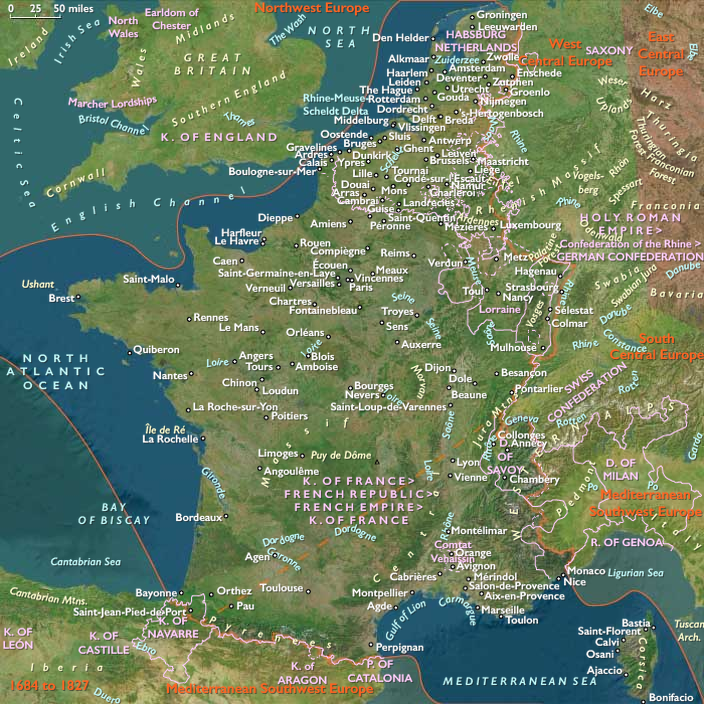
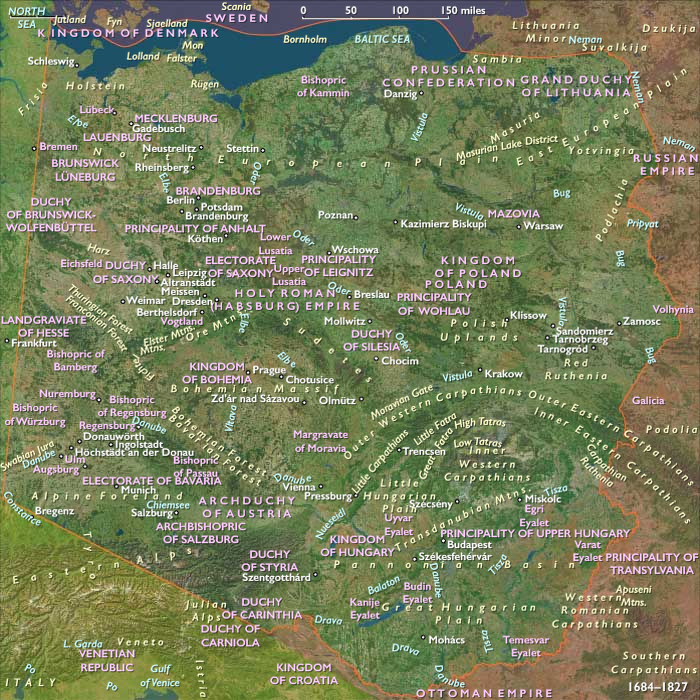
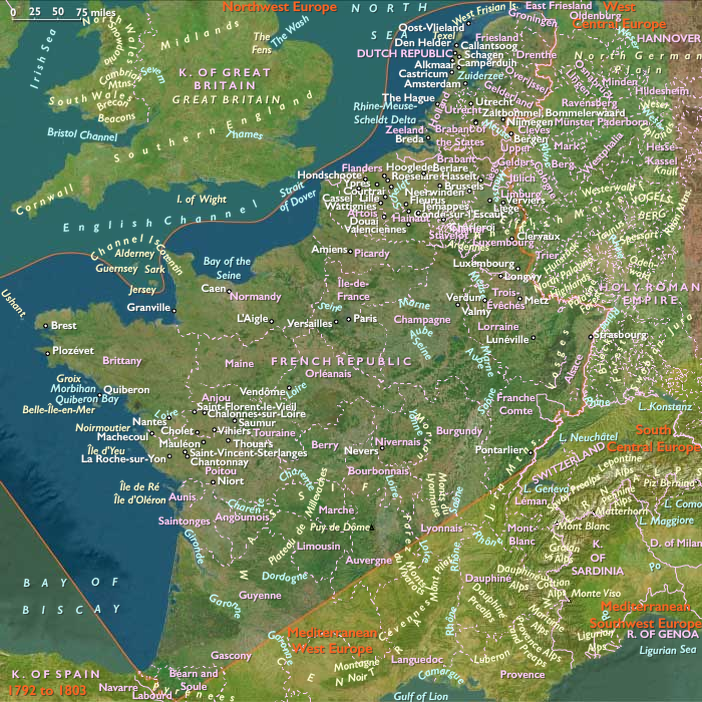
After French military successes in Italy and Germany, Austria signed the Treaty of Lunéville, effectively confirming the terms of the earlier Treaty of Campo Formio (1797).
- Austria formally ceded the left bank of the Rhine to France, consolidating French control over Western Germany.
- The Holy Roman Empire’s influence was further weakened, marking a step toward its eventual dissolution in 1806.
- The treaty left Britain as France’s only major opponent on the continent, setting the stage for naval and colonial warfare.
The French Surrender in Egypt (August–September 1801)
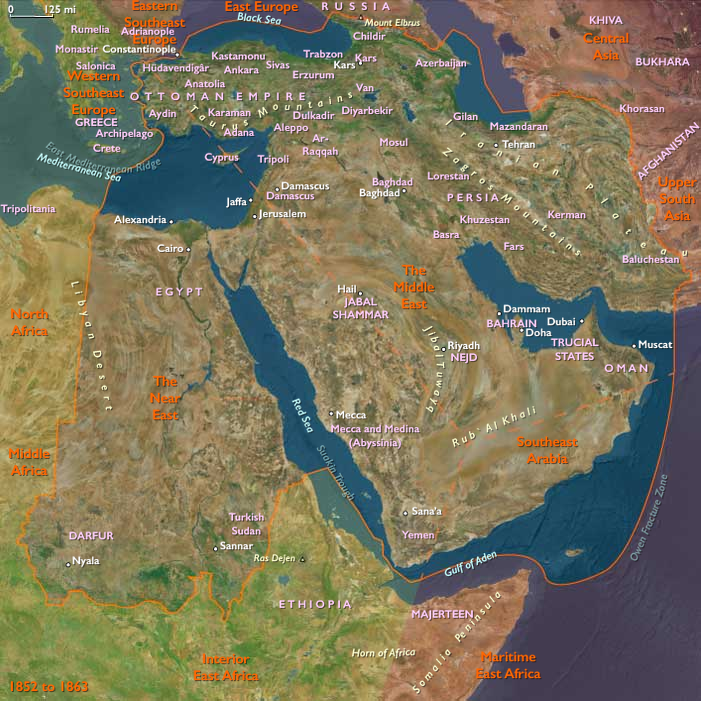
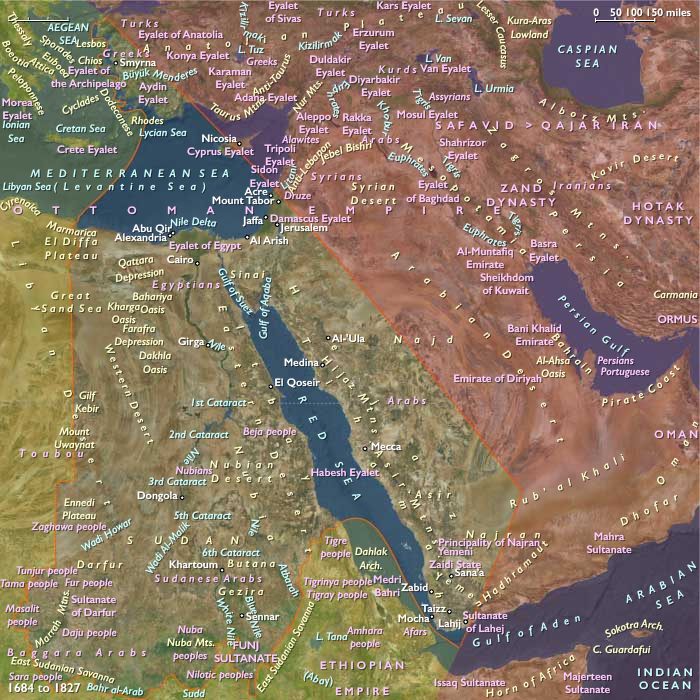
Napoleon’s Egyptian expedition, launched in 1798, was doomed by British naval supremacy and Ottoman resistance.
- In 1801, British and Ottoman forces launched a joint invasion, overwhelming the French garrisons in Egypt.
- After the fall of Cairo (June 1801) and Alexandria (September 1801), the French were forced to surrender, marking the end of Napoleon’s Eastern ambitions.
- The loss of Egypt weakened French prestige and influence in the Middle East, while Britain solidified its naval dominance in the Mediterranean.
Britain’s Naval War – The Battle of Copenhagen (April 2, 1801)
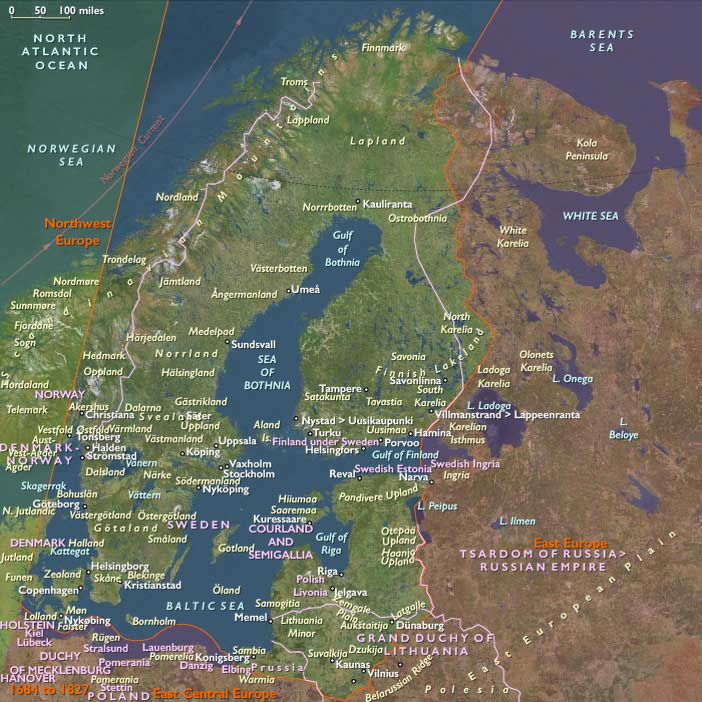
To counter Britain’s powerful naval blockade, a coalition of neutral countries—Prussia, Russia, Denmark, and Sweden—formed the League of Armed Neutrality, aiming to protect neutral shipping from British interference.
- Britain, viewing this as a threat to its maritime dominance, responded with a preemptive strike on Denmark.
- At the Battle of Copenhagen (April 2, 1801), Admiral Horatio Nelson launched a surprise attack, destroying much of the Danish fleet in harbor.
- The League of Armed Neutrality collapsed, ensuring that Britain’s naval blockade would continue unchecked.
The War of the Oranges – France and Spain Attack Portugal (May–June 1801)
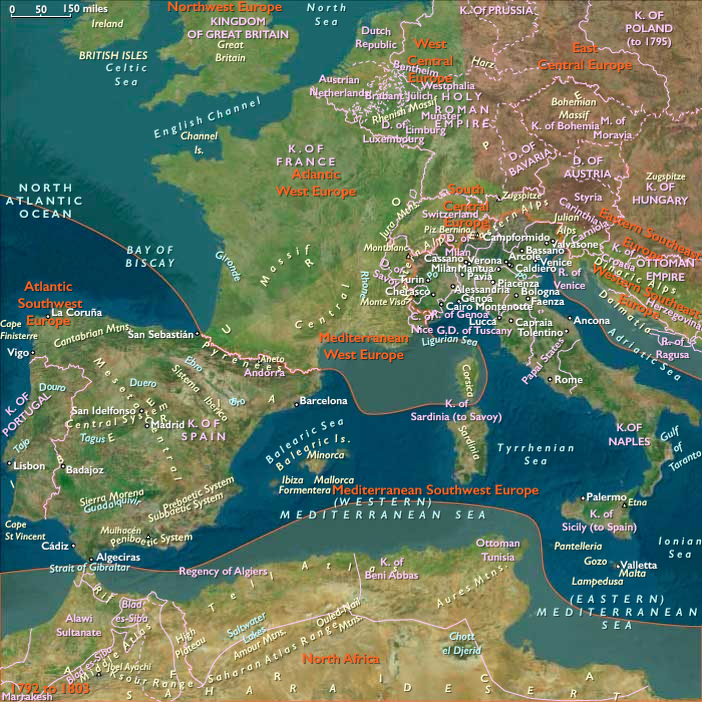
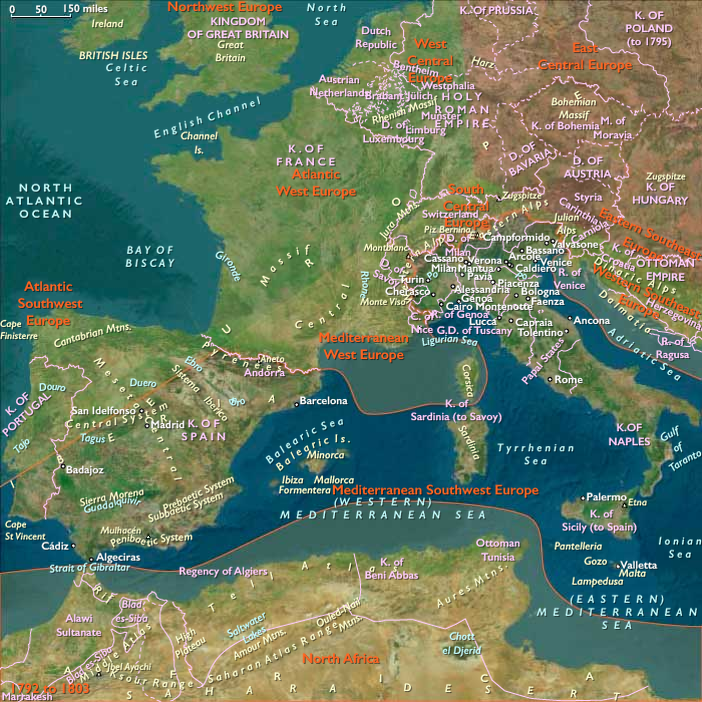
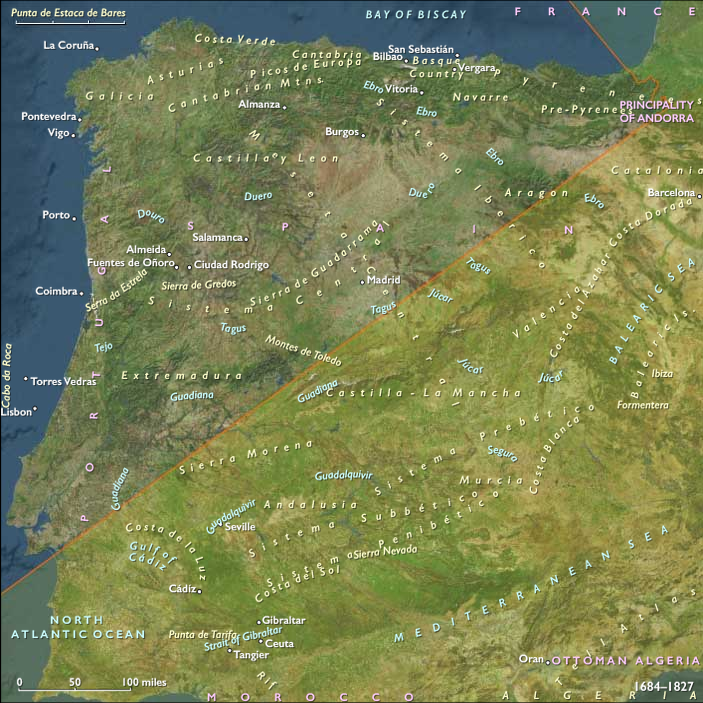
As part of Napoleon’s pressure campaign against Britain’s allies, France and Spain invaded Portugal, launching the War of the Oranges (May 1801).
- The Spanish army, backed by French forces, quickly occupied Olivença and parts of the Alentejo region.
- Portugal, militarily weak and diplomatically isolated, was forced to sign the Treaty of Badajoz (June 1801), agreeing to:
- Close its ports to British shipping.
- Grant commercial concessions to France.
- Cede Olivença to Spain (a territorial loss that remains a source of dispute today).
While Portugal remained independent, the treaty temporarily weakened its ties with Britain—though Portugal would secretly maintain contacts with its old ally.
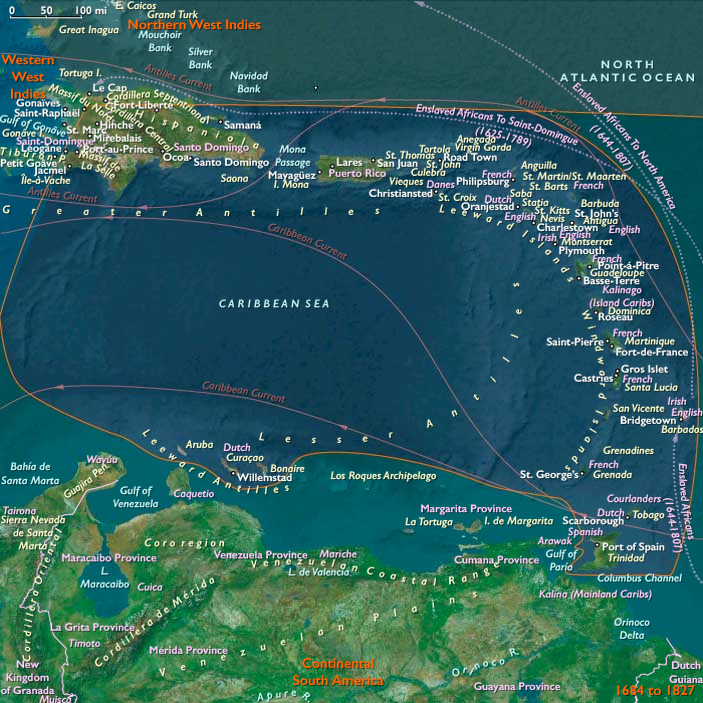
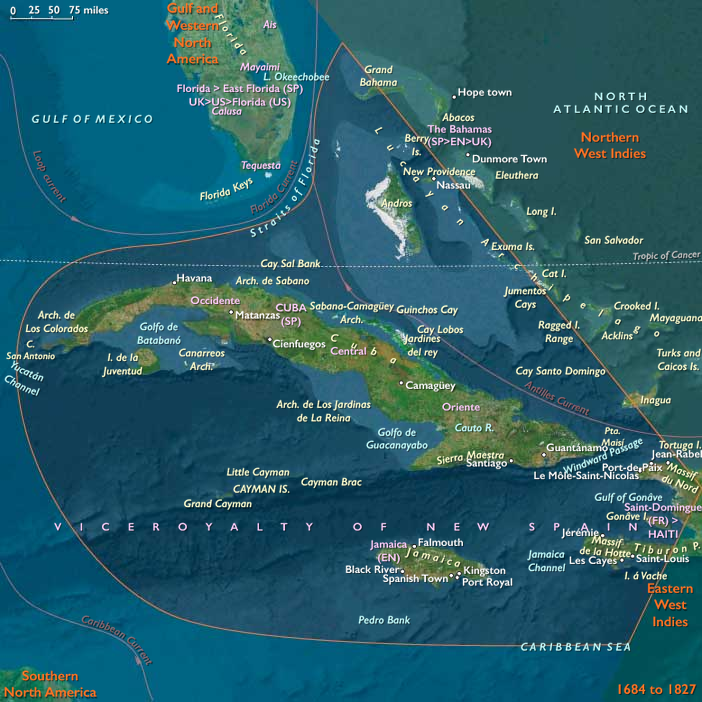
The Saint-Domingue Expedition – France’s Failed Attempt to Crush the Haitian Revolution (December 1801–1803)
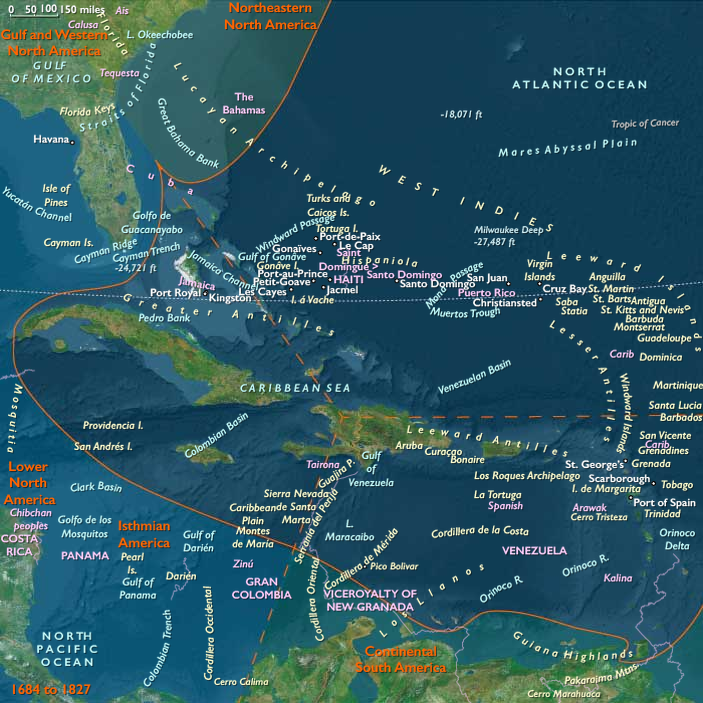
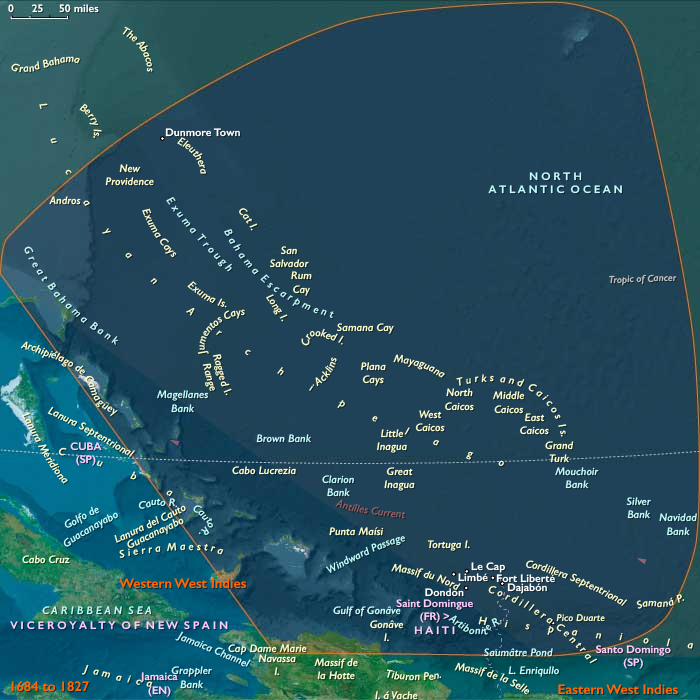
Napoleon, determined to restore French control over Saint-Domingue (Haiti), sent a massive expedition under General Charles Leclerc in December 1801 to crush the slave-led revolution that had begun in 1791.
- Leclerc’s forces initially gained ground, but faced fierce resistance from Toussaint Louverture and his army.
- However, the British Royal Navy blockaded the Caribbean, preventing France from sending reinforcements.
- Over time, the French army suffered heavy losses from guerrilla warfare, disease (yellow fever), and lack of supplies.
- The campaign would ultimately fail, leading to Haiti’s declaration of independence in 1804, making it the first independent Black republic in history.
Conclusion – The War in 1801
The year 1801 was a pivotal moment in the Napoleonic Wars:
- Britain strengthened its control of the British Isles, solidifying Ireland’s incorporation into the UK.
- France consolidated its dominance in Europe with the Treaty of Lunéville, forcing Austria out of the war.
- The French surrender in Egypt ended Napoleon’s dreams of an Eastern empire, while Britain cemented its naval supremacy at the Battle of Copenhagen.
- The War of the Oranges weakened Portugal, forcing it into temporary submission to France and Spain.
- The French expedition to Saint-Domingue would ultimately fail, marking the beginning of the end of French colonial rule in the Caribbean.
As 1802 approached, both Britain and France were exhausted, leading to negotiations for peace—but this truce would be short-lived, as Napoleon’s ambitions would soon lead to renewed conflict across Europe.
People
Groups
- Austria, Archduchy of
- Ottoman Empire
- Egypt, Ottoman eyalet of
- Sweden, (second) Kingdom of
- Denmark-Norway, Kingdom of
- Habsburg Monarchy, or Empire
- Portugal, Bragança Kingdom of
- Saint Domingue, French Colony of
- Spain, Bourbon Kingdom of
- Prussia, Kingdom of
- Britain, Kingdom of Great
- Russian Empire
- French First Republic
- Helvetic Republic
- Britain (United Kingdom of Great Britain and Ireland)
Topics
- French Revolution
- Haitian Revolution
- French Revolutionary Wars, or “Great French War”
- Second Coalition, War of the
- Haitian French War of 1801-03
- French Revolutionary Wars: Campaigns of 1801
- Oranges, War of the
Subjects
Regions
Subregions
- Northeast Europe
- East Central Europe
- Near East
- Mediterranean Southwest Europe
- Atlantic Southwest Europe
- Atlantic West Europe
- Northwest Europe
- Northern West Indies
- Eastern West Indies
- Western West Indies
Years: 1801 - 1801
People
Groups
- Austria, Archduchy of
- Ottoman Empire
- Egypt, Ottoman eyalet of
- Sweden, (second) Kingdom of
- Denmark-Norway, Kingdom of
- Habsburg Monarchy, or Empire
- Portugal, Bragança Kingdom of
- Saint Domingue, French Colony of
- Spain, Bourbon Kingdom of
- Prussia, Kingdom of
- Britain, Kingdom of Great
- Russian Empire
- French First Republic
- Helvetic Republic
- Britain (United Kingdom of Great Britain and Ireland)
Topics
- French Revolution
- Haitian Revolution
- French Revolutionary Wars, or “Great French War”
- Second Coalition, War of the
- Haitian French War of 1801-03
- French Revolutionary Wars: Campaigns of 1801
- Oranges, War of the
Subjects
Regions
Subregions
- Northeast Europe
- East Central Europe
- Near East
- Mediterranean Southwest Europe
- Atlantic Southwest Europe
- Atlantic West Europe
- Northwest Europe
- Northern West Indies
- Eastern West Indies
- Western West Indies