
Napoleon Bans Sugar Imports (1813) – The …
Years: 1813 - 1813
Napoleon Bans Sugar Imports (1813) – The Continental System and Economic Warfare
By 1813, Napoleon’s Continental System was collapsing, and his access to Caribbean imports had been effectively cut off by the British Royal Navy’s blockade. Determined not to enrich British merchants, he banned imports of sugar, further tightening economic restrictions within his empire.
Reasons for the Sugar Ban
-
British Blockade of the Caribbean
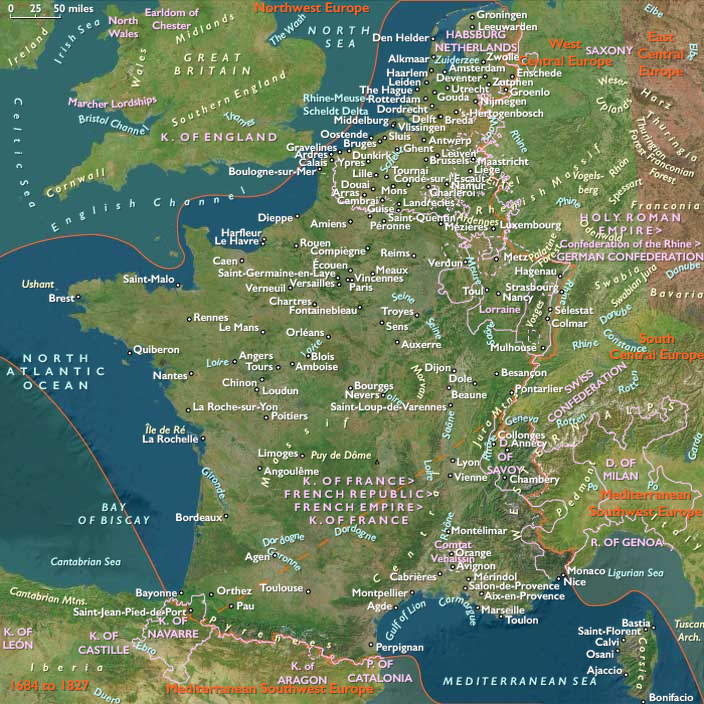
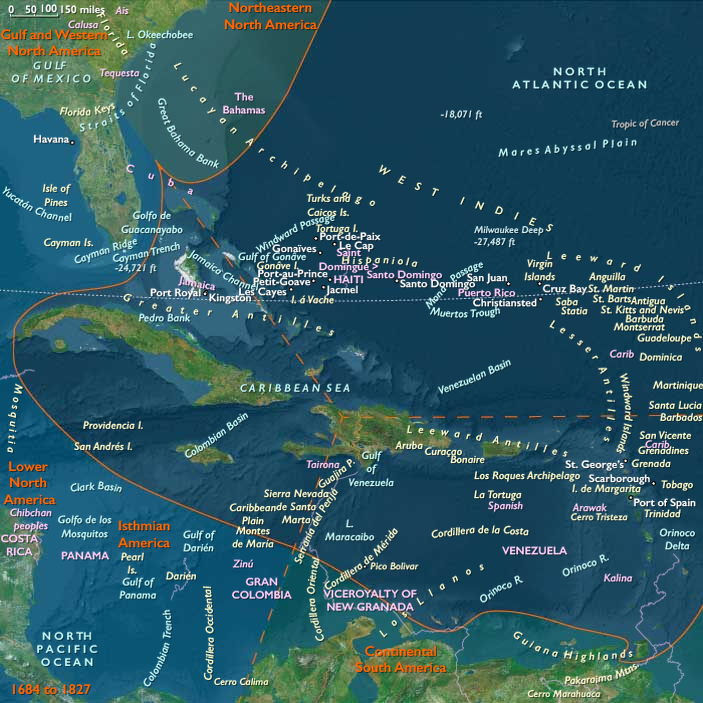
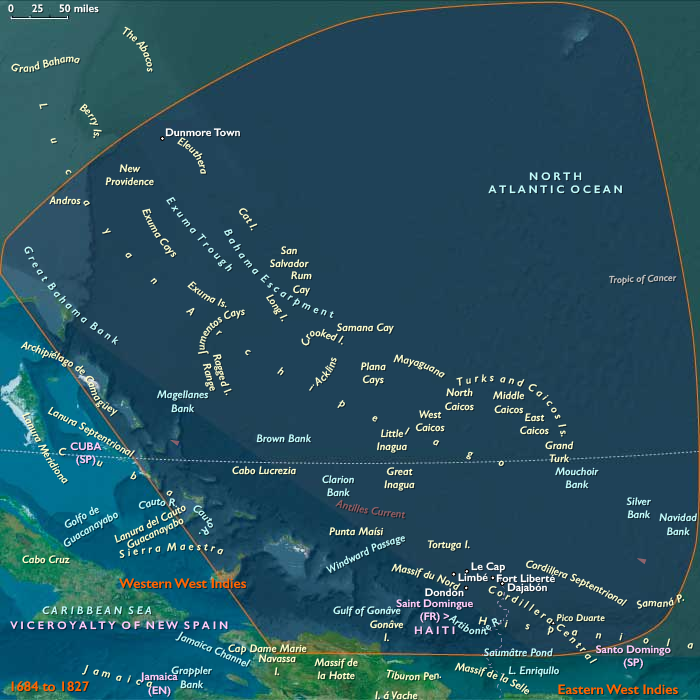
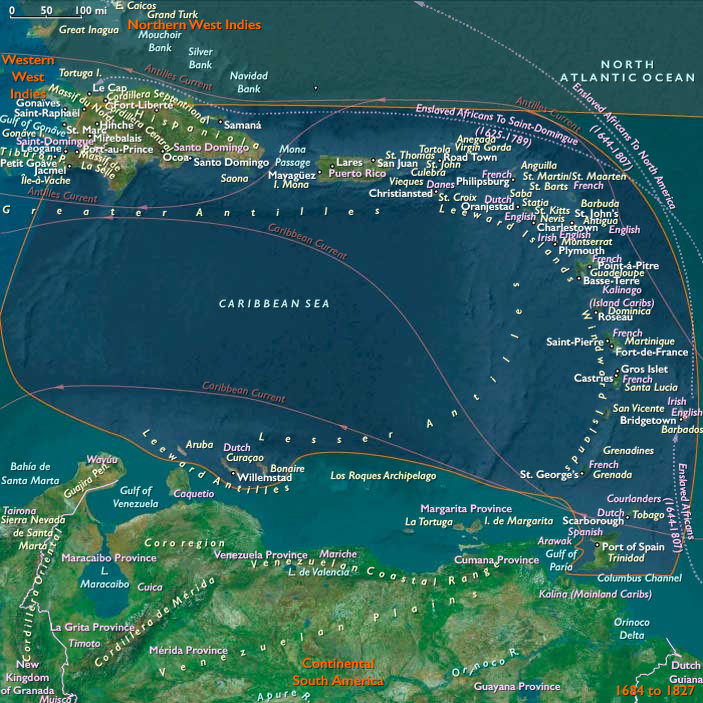
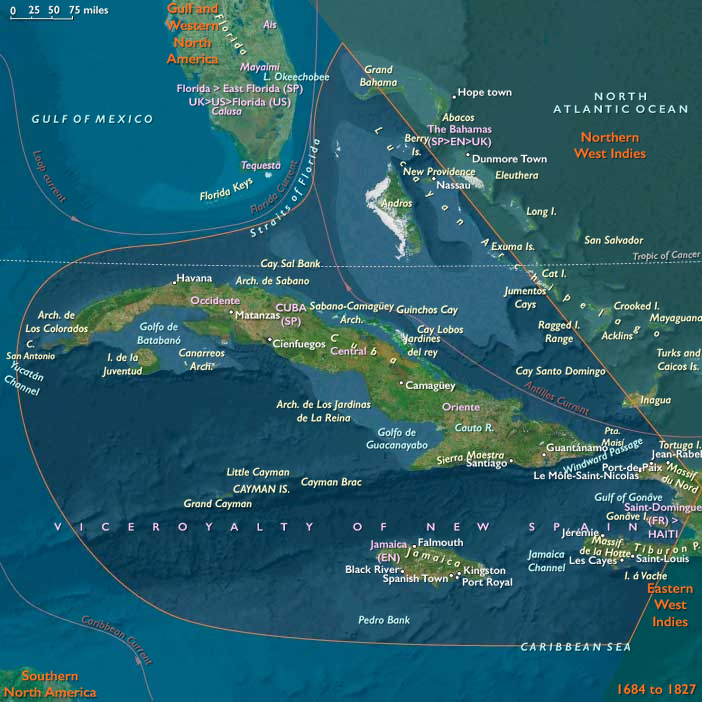
- The British navy dominated the Atlantic, preventing French access to Caribbean colonies like Saint-Domingue (Haiti) and Guadeloupe.
- This blockade cut off France’s traditional sugar supply, forcing Napoleon to seek alternative sources.
-
The Decline of the Continental System
- The Continental System, meant to cripple British trade, was proving unsustainable.
- Smuggling flourished, and even French allies violated the blockade to maintain trade with Britain.
-
Desire for Economic Self-Sufficiency
- Rather than relying on imported sugar, Napoleon sought to stimulate domestic alternatives, such as sugar beets, which had already been promoted as a substitute for cane sugar.
Impact of the Sugar Ban
- Boosted sugar beet production in France, accelerating its development as a major industry.
- Weakened the French economy further, as the ban disrupted trade networks already strained by years of war.
- Failed to harm Britain, which expanded its sugar exports to other markets, including North America and Spanish America.
Conclusion – Another Economic Miscalculation
Napoleon’s ban on sugar imports in 1813 was a desperate attempt to uphold the Continental System, but it ultimately did more harm than good. As his empire crumbled, so too did his economic policies, which had failed to break Britain’s economic power while further straining France’s war effort.
People
Groups
Topics
Commodoties
Subjects
Regions
Subregions
- Mediterranean West Europe
- Atlantic Southwest Europe
- Atlantic West Europe
- Northwest Europe
- Northern West Indies
- Eastern West Indies
- Western West Indies
Related Events
Showing 10 events out of 21229 total
Years: 1813 - 1813
People
Groups
Topics
Commodoties
Subjects
Regions
Subregions
- Mediterranean West Europe
- Atlantic Southwest Europe
- Atlantic West Europe
- Northwest Europe
- Northern West Indies
- Eastern West Indies
- Western West Indies