
The Economic War Between Britain and France …
Years: 1810 - 1810
The Economic War Between Britain and France (1806–1810) – The Continental System vs. British Orders in Council
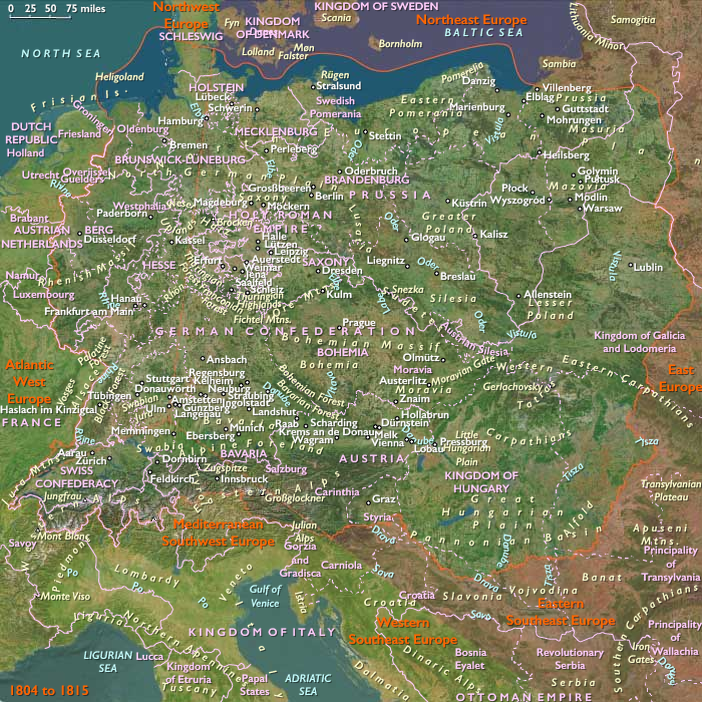
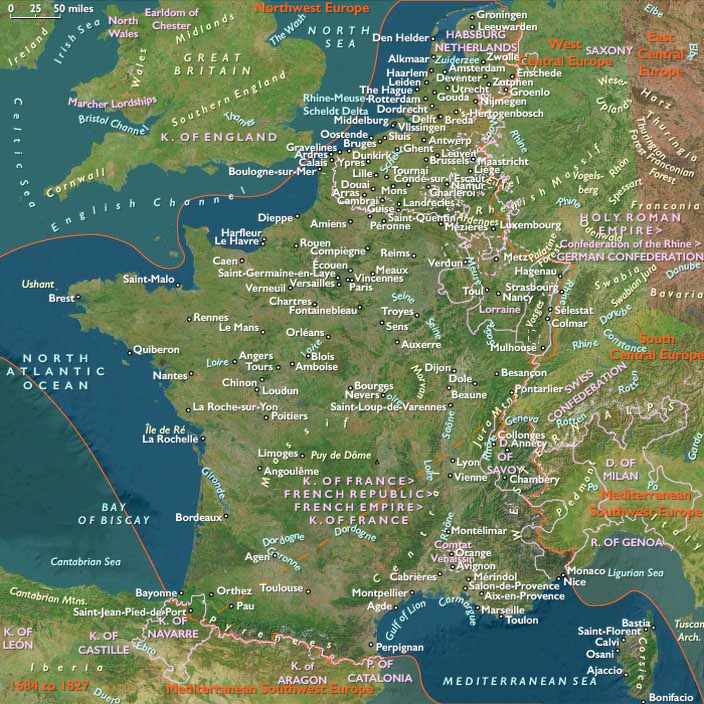
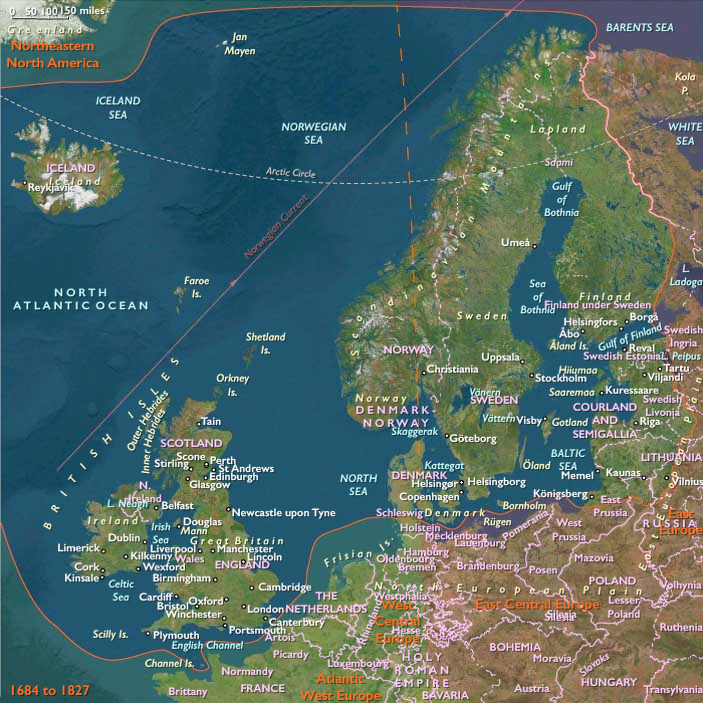
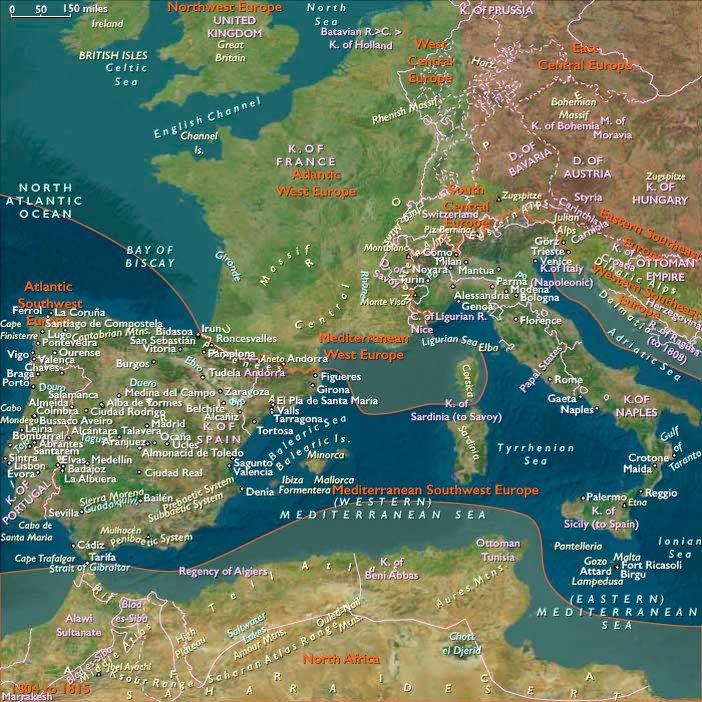
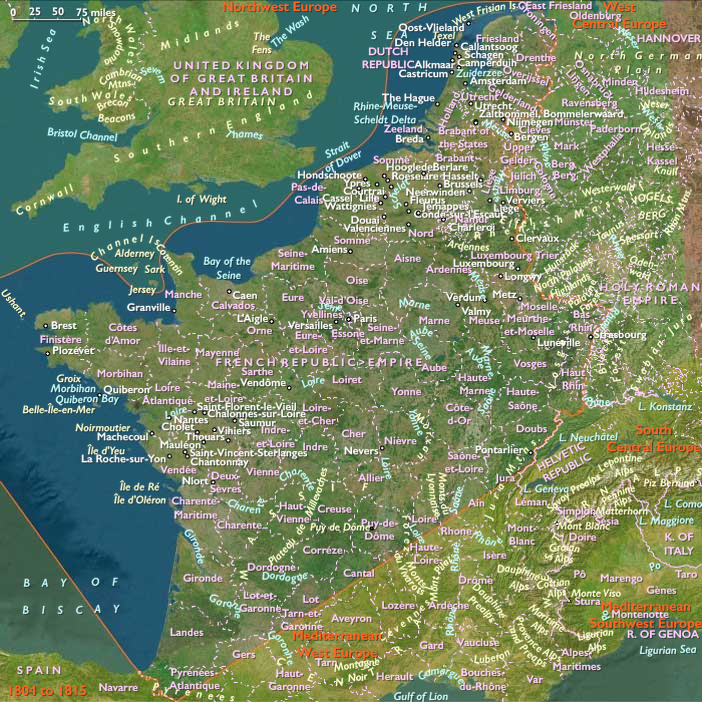
By 1806, Napoleon had become the undisputed master of continental Europe, effectively excluding Britain from European trade. However, his naval defeat at Trafalgar (1805) ensured that he could never directly invade Britain, forcing him to seek alternative means of warfare—thus launching an economic conflict known as the Continental System.
The Continental System – Napoleon’s Economic Blockade (1806–1810)
-
The Berlin Decree (November 21, 1806)
- Napoleon forbade all French, allied, or neutral ships from trading with Britain.
- The aim was to cripple British trade, weaken its industrial growth, and ruin its economy.
-
The Milan Decree (December 1807)
- Declared that any neutral ships that used British ports or paid British tariffs were to be treated as British vessels and seized by France.
-
Napoleon hoped to isolate Britain economically, believing that if he could collapse Britain’s trade, he could force it to make peace on French terms.
British Response – The Orders in Council (November 11, 1807)
-
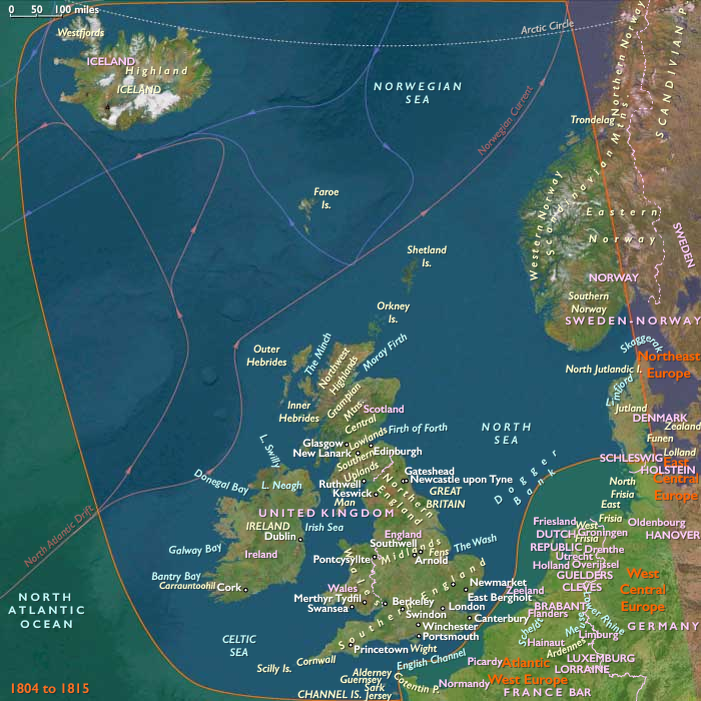
Britain, controlling the seas, countered Napoleon’s blockade with its own restrictions:
- The Orders in Council prohibited French trade with Britain, its allies, or any neutral nations.
- British warships were ordered to blockade French and allied ports.
- Any ship trading with France had to stop in a British port first for inspection—otherwise, it was liable to seizure by the Royal Navy.
-
Britain’s goal was to disrupt Napoleon’s economy while maintaining its own trade dominance.
The Economic War Escalates (1807–1810)
- The Continental System hurt many European economies, as countries under French rule suffered from trade restrictions.
- Britain, with its global empire, was able to find alternative markets in the Americas and Asia, mitigating the impact of the blockade.
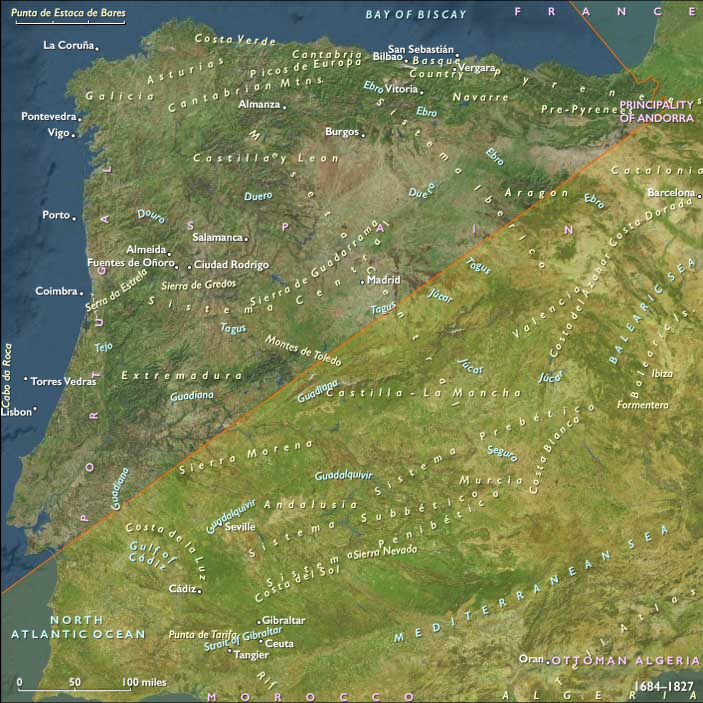
- Smuggling flourished, particularly through Spain, Portugal, and the Baltic, undermining the effectiveness of both the French and British policies.
- The economic strain led to tensions between Napoleon and his allies, as they resented being forced into the blockade, which often hurt them more than it hurt Britain.
Napoleon’s Retaliation and the Path to War with America (1810–1812)
- By 1810, Napoleon realized the Continental System was not working and announced the revocation of the Berlin and Milan Decrees.
- However, Britain refused to repeal its Orders in Council, continuing its naval blockade and trade restrictions.
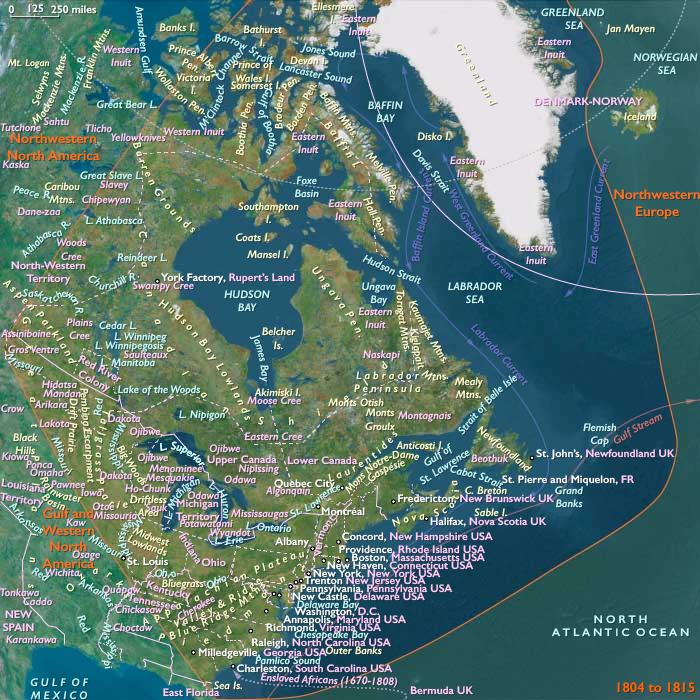
- The United States, caught between the two economic giants, suffered greatly from the disruptions to neutral trade.
- American merchants and politicians increasingly demanded war with Britain, believing that the British policies violated American neutrality and sovereignty.
This economic conflict between Britain and France not only failed to decisively weaken either power, but it also set the stage for the War of 1812, as tensions between Britain and the United States boiled over due to trade restrictions and British naval actions against American shipping.
Thus, while Napoleon’s Continental System sought to strangle Britain economically, it instead dragged more nations into war, contributing to his eventual downfall.
People
Groups
- Prussia, Kingdom of
- United States of America (US, USA) (Washington DC)
- Britain (United Kingdom of Great Britain and Ireland)
- France, (first) Empire of
- Italy, Bonapartist Kingdom of
- Spain, Bonapartist Kingdom of
Topics
Subjects
Regions
Subregions
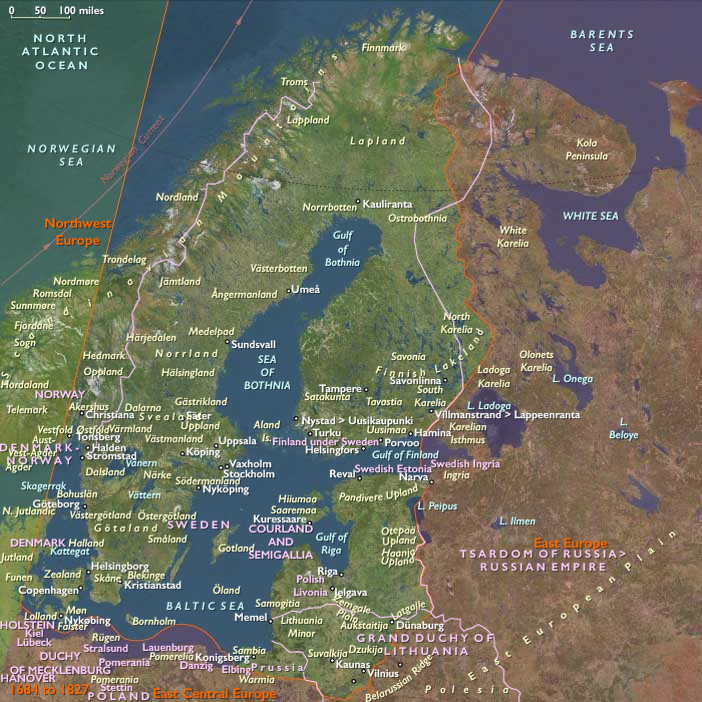
- Northeast Europe
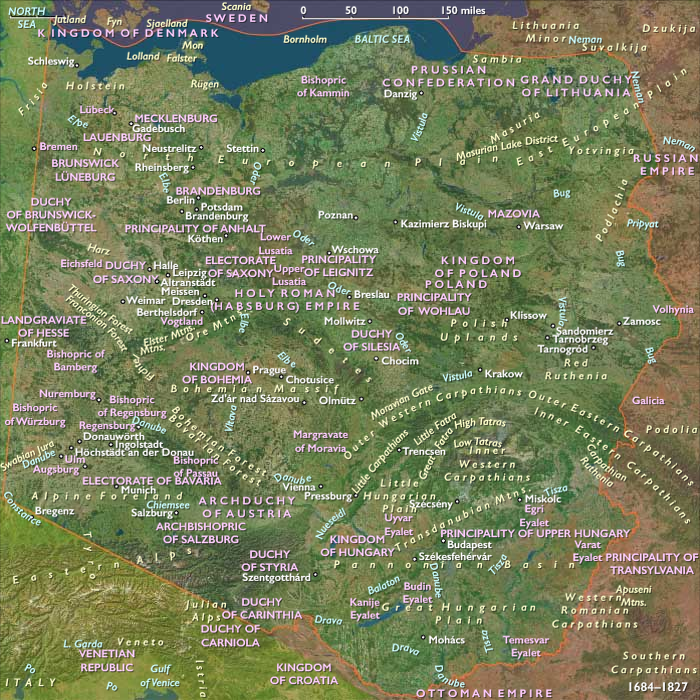
- East Central Europe
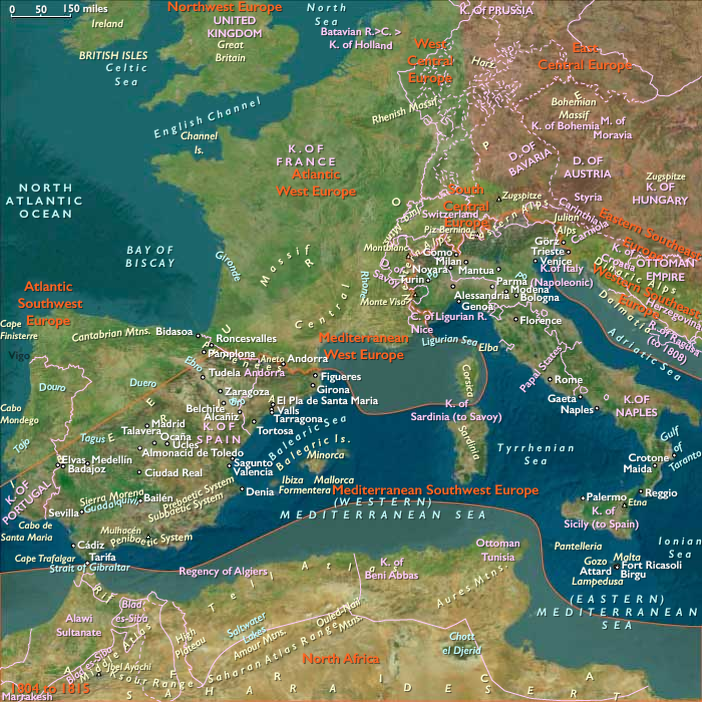
- Mediterranean Southwest Europe
- Atlantic Southwest Europe
- Atlantic West Europe
- Northwest Europe
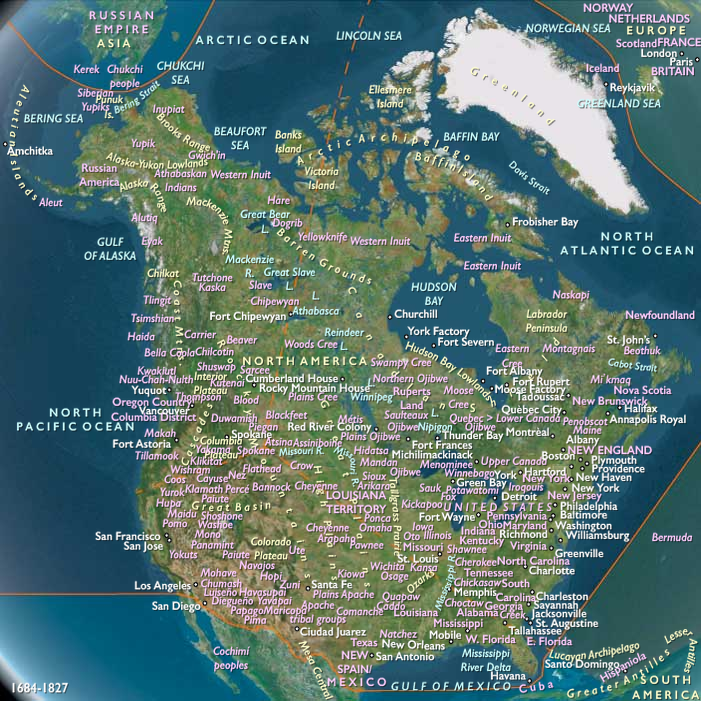
- Northeastern North America
Related Events
Showing 10 events out of 21600 total
Years: 1810 - 1810
People
Groups
- Prussia, Kingdom of
- United States of America (US, USA) (Washington DC)
- Britain (United Kingdom of Great Britain and Ireland)
- France, (first) Empire of
- Italy, Bonapartist Kingdom of
- Spain, Bonapartist Kingdom of
Topics
Subjects
Regions
Subregions
- Northeast Europe
- East Central Europe
- Mediterranean Southwest Europe
- Atlantic Southwest Europe
- Atlantic West Europe
- Northwest Europe
- Northeastern North America