
Edvard Munch soon outgrows the prevailing naturalist …
Years: 1890 - 1890
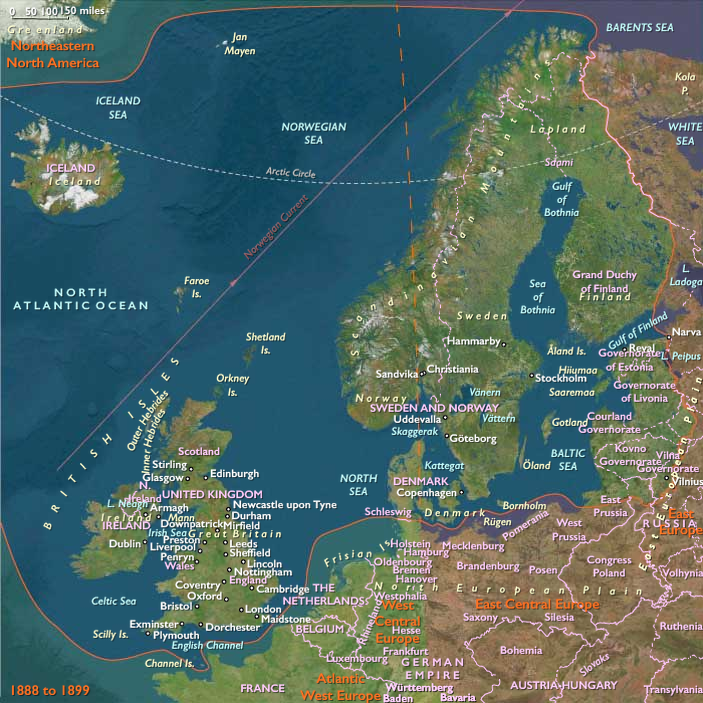
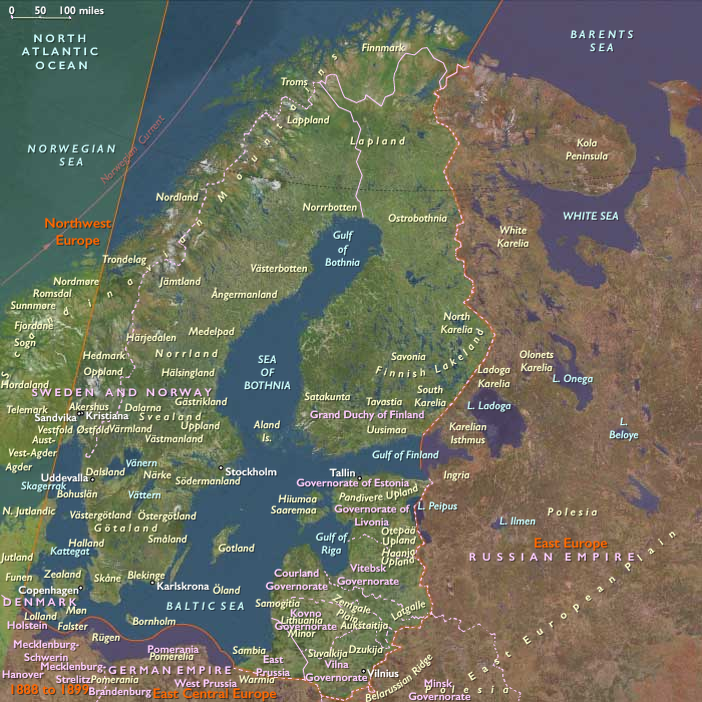
Edvard Munch soon outgrows the prevailing naturalist aesthetic in Kristiania, partly as a result of his assimilation of French Impressionism after a trip to Paris in 1889 and his contact from about 1890 with the work of Paul Gauguin and Henri de Toulouse-Lautrec.
In some of his paintings from this period he adopts the Impressionists' open brushstrokes, but Gauguin's use of the bounding line proves more congenial to him, as is the Synthetist artists' ambition to go beyond the depiction of external nature and give form to an inner vision.
His friend the Danish poet Emanuel Goldstein introduces him to French Decadent Symbolist poetry during this period, which helps him formulate a new philosophy of art, imbued with a pantheistic conception of sexuality.
Locations
People
Groups
Topics
Subjects
Regions
Subregions
Related Events
Showing 10 events out of 9935 total
Years: 1890 - 1890
Locations
People
Groups
Topics
Subjects
Regions
Subregions