
The so-called Plague of Athens, which returns …
Years: 429BCE - 418BCE
The so-called Plague of Athens, which returns twice more, in 429 BCE and in the winter of 427/426 BCE, also strikes much of the eastern Mediterranean.
In January 2006, researchers from the University of Athens will analyze teeth recovered from a mass grave underneath the city, and confirm the presence of bacteria responsible for typhoid.
Locations
Groups
Topics
- Iron Age Europe
- Iron Age Cold Epoch
- Classical antiquity
- Peloponnesian War, Second or Great
- Archidamian War
- Plague of Athens
Subjects
Regions
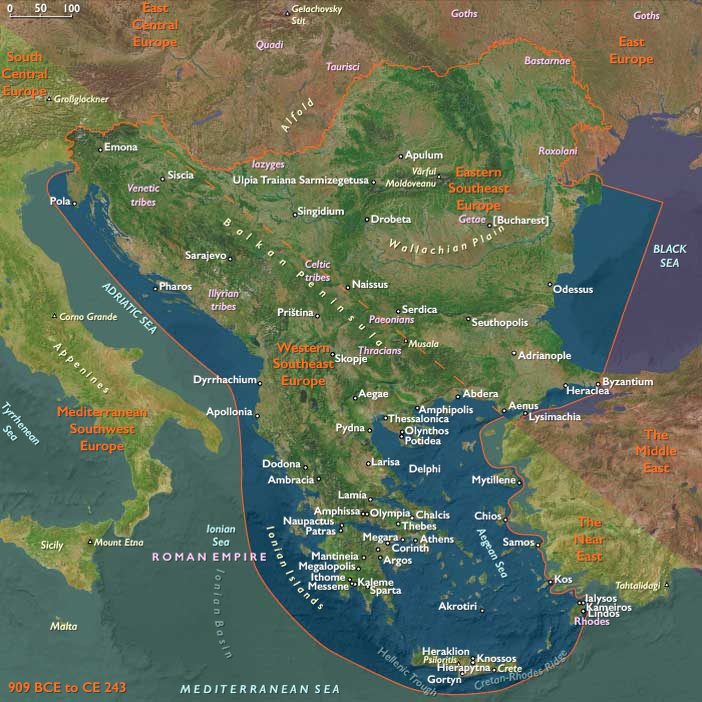
Subregions
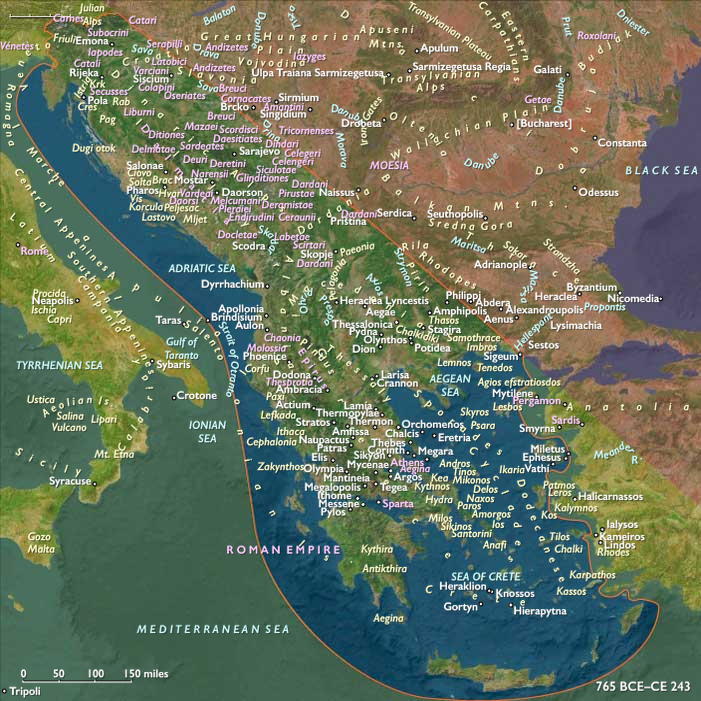
Related Events
Showing 10 events out of 65211 total
Years: 429BCE - 418BCE
Locations
Groups
Topics
- Iron Age Europe
- Iron Age Cold Epoch
- Classical antiquity
- Peloponnesian War, Second or Great
- Archidamian War
- Plague of Athens
Subjects
Regions
Subregions