
The Epidemics of the Sixth Century and …
Years: 581 - 581
The Epidemics of the Sixth Century and the First Western Description of Smallpox (581 CE)
The sixth century was marked by multiple waves of devastating epidemics, but much of the historical record is lost, likely due to the scarcity of written sources from the Early Middle Ages. However, some details survive, particularly through Gregory of Tours, who provides the first incontrovertible description of smallpox in Western Europe in 581 CE.
1. The Lack of Written Records on Early Medieval Epidemics
- The Early Middle Ages saw a decline in literacy and historical record-keeping, particularly outside of Byzantium and the Church.
- While some monastic chronicles and Byzantine sources describe plague outbreaks, details about other infectious diseases remain largely unrecorded or lost.
- Epidemics would have been common due to:
- Poor sanitation
- Malnutrition (exacerbated by climate disruptions)
- High population densities in monastic and urban centers
2. Gregory of Tours’ Eyewitness Account of Smallpox (581 CE)
- The first clear Western description of smallpox appears in Gregory of Tours' Historia Francorum (History of the Franks).
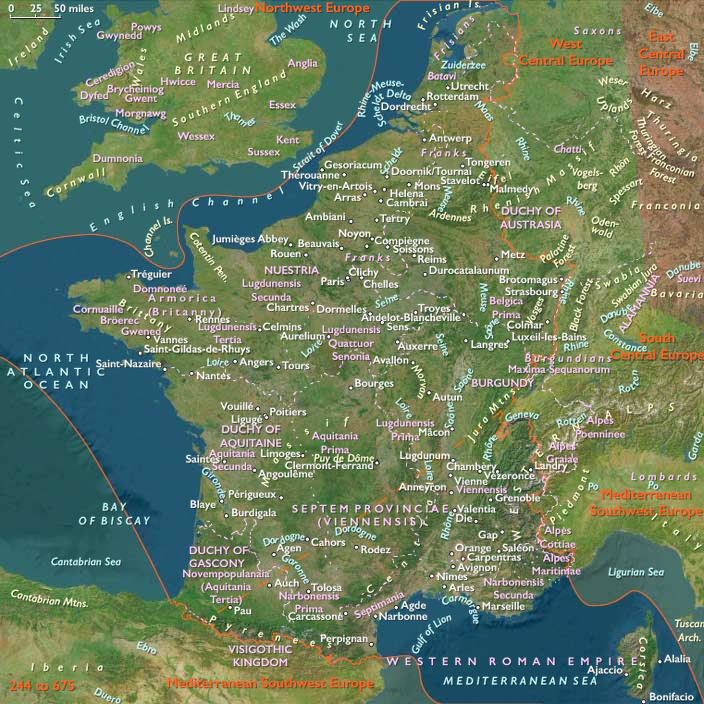
- Gregory documents a disease outbreak in Gaul (France), describing symptoms that match smallpox’s characteristic pustules and high mortality rates.
- This confirms the presence of smallpox in Western Europe, indicating its establishment as an endemic disease.
3. The Impact of Epidemics on Rural Populations
- Repeated waves of disease wipe out large portions of the rural population, leaving fewer workers for agriculture.
- This contributes to the gradual economic transformation of the early medieval world, reinforcing:
- The decline of large Roman estates
- The transition to feudalism, as landowners depend more on self-sufficient local labor
4. Smallpox in Europe: A Reservoir for Global Spread
- The establishment of smallpox in Western Europe in the sixth century is historically significant.
- Over time, Europe becomes the primary reservoir for smallpox, from which it will later spread to:
- The Middle East and Asia through trade routes.
- The Americas during European exploration and colonization in the 15th–17th centuries, leading to devastating epidemics among indigenous populations.
Conclusion: A Turning Point in Global Disease History
Gregory of Tours’ 581 CE account of smallpox marks a key moment in medical history, as it is the earliest confirmed Western reference to the disease. The establishment of smallpox in Europe not only affects early medieval societies but also sets the stage for future global pandemics, shaping the course of world history through trade, conquest, and colonization.
Locations
People
Groups
Topics
Subjects
Regions
Subregions
Related Events
Showing 10 events out of 57330 total
Years: 581 - 581
Locations
People
Groups
Topics
Subjects
Regions
Subregions