European Fashion Trends in the Late 12th …
Years: 1192 - 1203
European Fashion Trends in the Late 12th Century
Throughout 12th-century Europe, the fitted tunic remained the fundamental garment for both men and women. Typically, an over-tunic, known as a bliaut, was worn over an under-tunic, providing layers for warmth, modesty, and social distinction.
The Evolution of Women's Fashion: The Form-Fitting Bliaut
By 1200, women’s bliauts became increasingly form-fitting due to tight lacing, particularly along the sides. This innovation created a curved silhouette, which, when belted at the hips, gave the illusion of a long-waisted figure—an aesthetic preference of the time. The bliaut often featured wide, trailing sleeves, elaborate embroidery, and luxurious fabrics, particularly among the nobility.
The Mantle: A Standard Outdoor Garment
For outdoor wear, both men and women donned a mantle, a long, draped cloak that hung from the back of the shoulders and extended to the ground. These mantles, often clasped at the neck with a brooch, served as protective outerwear while also displaying wealth and status through their materials and embellishments.
This period saw increasing refinement in European dress, influenced by courtly culture, the Crusades, and growing trade networks, which introduced richer textiles and new tailoring techniques.
Years: 1192 - 1203
Topics
Subjects
Regions

Subregions
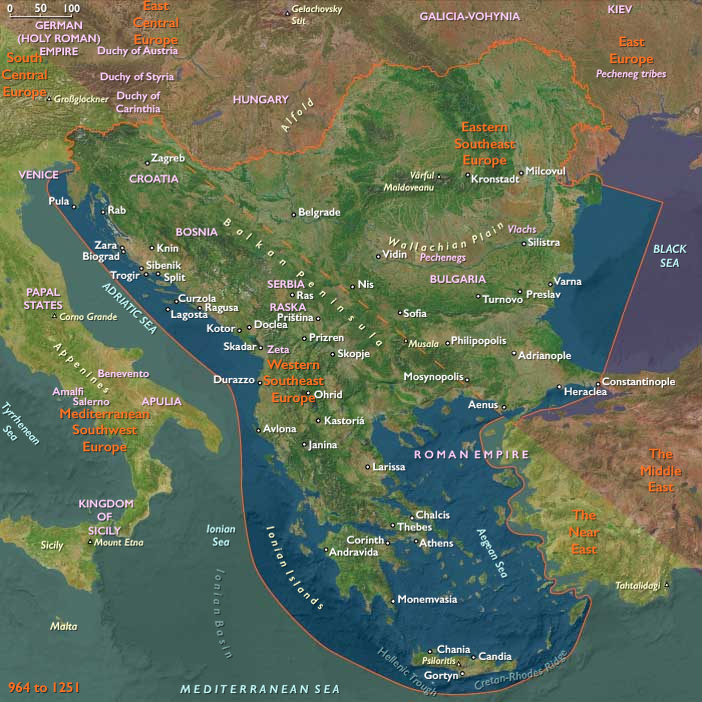
- East Europe
- Northeast Europe
- East Central Europe
- Eastern Southeast Europe
- Western Southeast Europe
- South Central Europe
- Mediterranean West Europe
- Mediterranean Southwest Europe
- Atlantic Southwest Europe
- Atlantic West Europe
- West Central Europe
- Northwest Europe