
Mnajdra, a megalithic temple complex found on …
Years: 3645BCE - 3502BCE
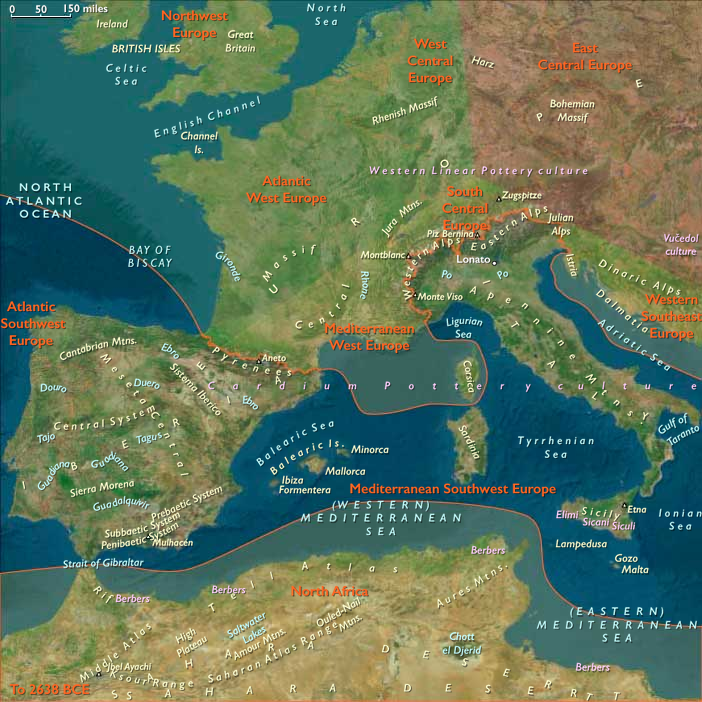
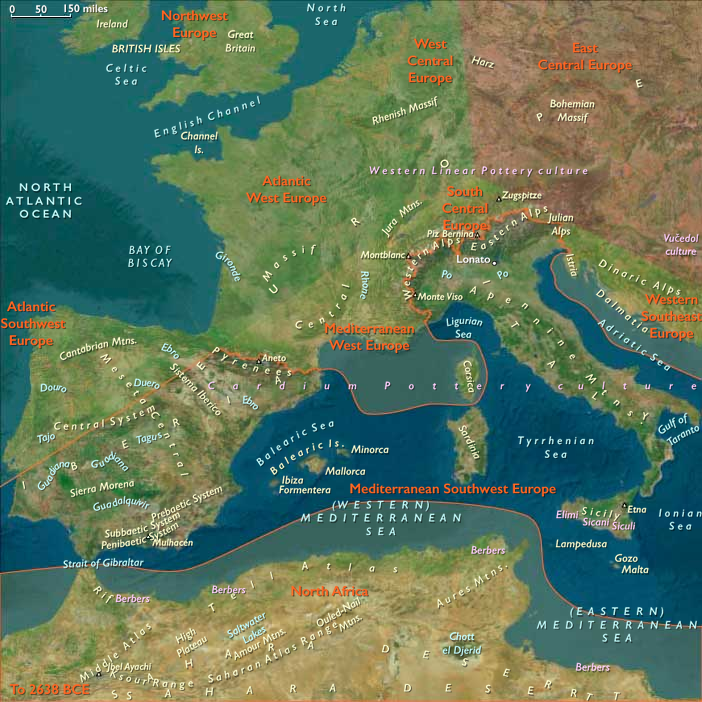
Mnajdra, a megalithic temple complex found on the southern coast of the Mediterranean island of Malta, is made of coralline limestone, which is much harder than the soft globigerina limestone of Hagar Qim, approximately five hundred meters away.
The main structural systems used in the temples are corbelling with smaller stones, and post-and-lintel construction using large slabs of limestone.
The cloverleaf plan of Mnajdra appears more regular than that of Hagar Qim, and seems reminiscent of the earlier complex at Ggantija.
The prehistoric structure consists of three conjoined but not connected temples: the upper, middle and lower.
The upper temple is the oldest structure in the Mnajdra complex and dates to the Ggantija phase (3600-3200 BCE).
It is a three-apsed building, the doorway of which is formed by a hole cut into a large piece of limestone set upright, a type of construction typical of other megalithic doorways in Malta.
This temple appears originally to have had a vaulted ceiling, but only the base of the ceiling now remain on top of the walls.
The pillar-stones were decorated with pitmarks drilled in horizontal rows on the inner surface.
The temple contains "furniture" such as stone benches and tables that set it apart from other European megalith constructions.
Locations
Groups
Topics
- Chalcolithic Epoch, or Copper Ages
- Younger Peron Transgression during the Neolithic Subpluvial
- Subboreal Period
Subjects
Regions
Subregions
Related Events
Showing 10 events out of 68780 total
Years: 3645BCE - 3502BCE
Locations
Groups
Topics
- Chalcolithic Epoch, or Copper Ages
- Younger Peron Transgression during the Neolithic Subpluvial
- Subboreal Period
Subjects
Regions
Subregions