
Near East (909 BCE – …
Years: 909BCE - 819
Near East (909 BCE – 819 CE) Early Iron and Antiquity — Greeks of Ionia, Levantine Tyre, Roman–Byzantine Egypt, Arabia’s Caravans
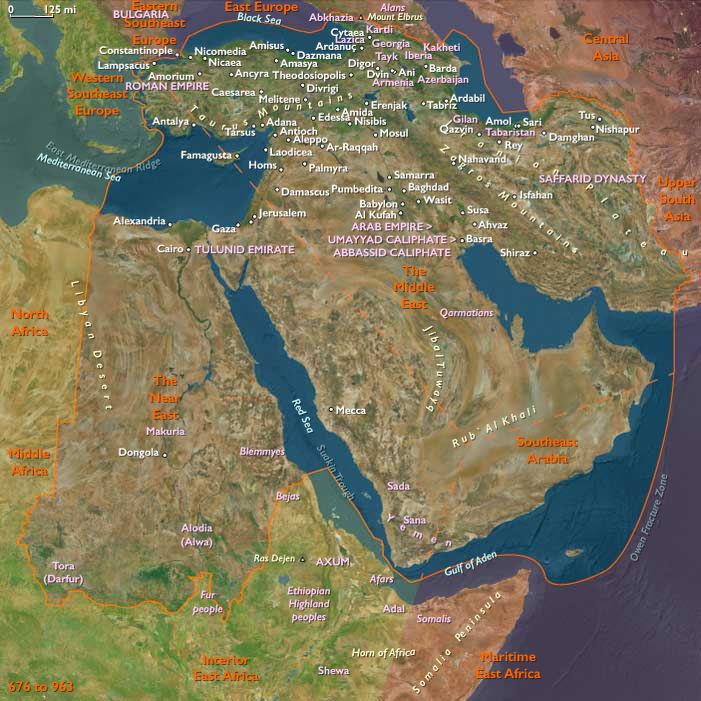
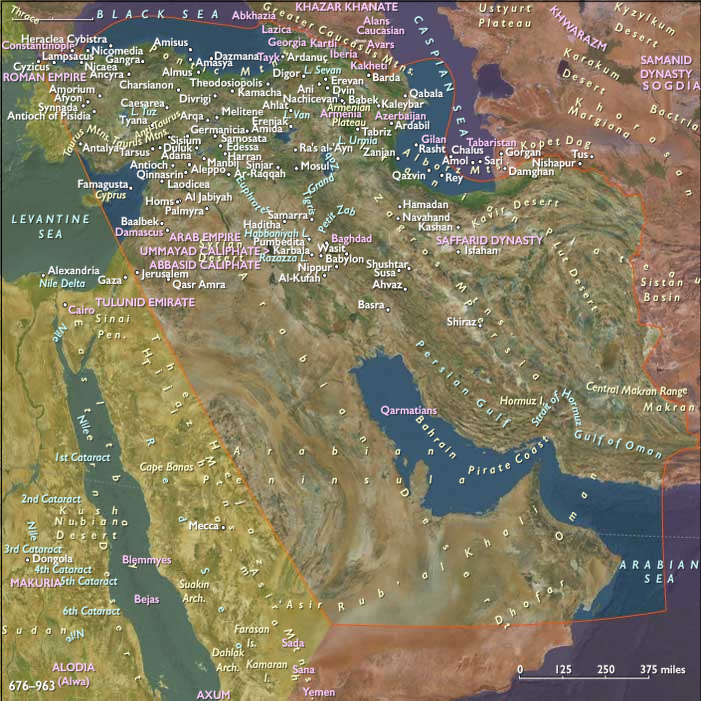
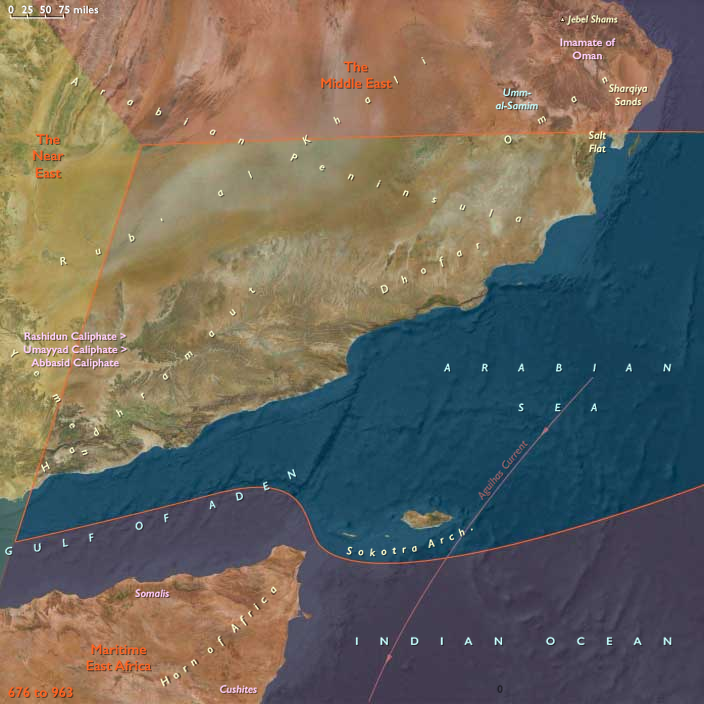
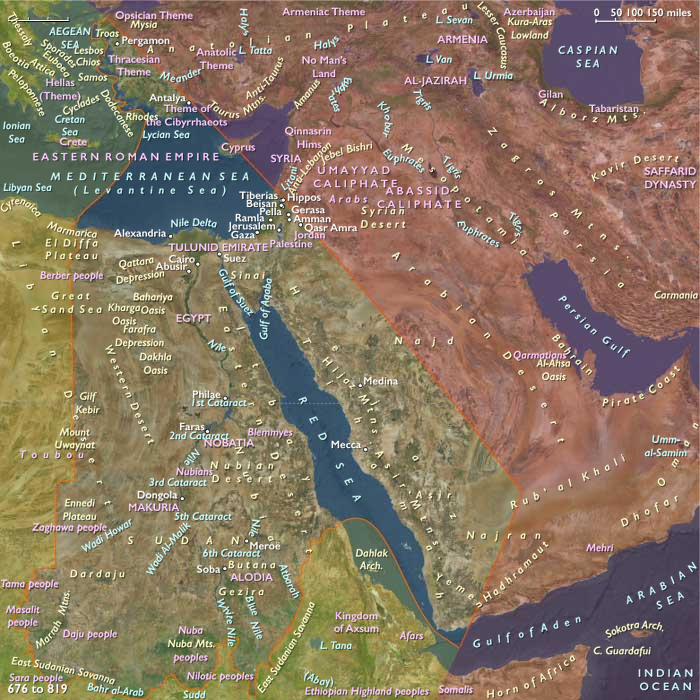
Geographic and Environmental Context
The Near East includes Egypt, Sudan, Israel, most of Jordan, western Saudi Arabia, western Yemen, southwestern Cyprus, and western Turkey (Aeolis, Ionia, Doris, Lydia, Caria, Lycia, Troas) plus Tyre (extreme SW Lebanon).-
Anchors: the Nile Valley and Delta; Sinai–Negev–Arabah; the southern Levant (with Tyre as the sole Levantine node in this subregion); Hejaz–Asir–Tihāma on the Red Sea; Yemen’s western uplands/coast; southwestern Cyprus; western Anatolian littoral (Smyrna–Ephesus–Miletus–Halicarnassus–Xanthos; Troad).
Climate & Environment
-
Nile’s late antique variability; Aegean storms seasonal; Arabian aridity persistent but terraces/cisterns mitigated.
Societies & Political Developments
-
Western Anatolia Greek city-states (Ionia–Aeolia–Doria, with Troad): Miletus, Ephesus, Smyrna, etc.
-
Tyre (sole Near-Eastern Levantine node here) dominated Phoenician seafaring.
-
Egypt (Ptolemaic → Roman → Byzantine): Nile granary and Christianizing hub.
-
Arabian west: caravan kingdoms and Hejaz–Asir oases; western Yemen incense terraces and caravan polities.
-
Southwestern Cyprus embedded in Hellenistic–Roman maritime circuits.
Economy & Trade
-
Grain–papyrus–linen from the Nile; olive–wine Aegean; incense–myrrh from Yemen; Red Sea lanes linked to Aden–Berenike nodes (outside core but connected).
-
Tyre exported craft goods and purple dye.
Technology & Material Culture
-
Iron agriculture and tools; triremes and merchant galleys; advanced terracing, cisterns; lighthouse/harbor works.
Belief & Symbolism
-
Egyptian polytheism → Christianity (Alexandria); Greek civic cults; Tyrian traditions; Arabian deities; monasticism along Nile/Desert.
Adaptation & Resilience
-
Canal maintenance buffered Nile shocks; terraces/cisterns stabilized Arabian farming; Aegean coastal redundancy protected shipping routes.
Transition
By 819 CE, the Near East was a multi-corridor world of Nile granaries, Ionia’s city-coasts, Tyre’s Phoenician legacy, and Arabian incense roads — a foundation for the medieval dynamics ahead (Ayyubids in Syria/Egypt next door, Abbasids beyond, and the Ionian–Anatolian littoral under Byzantine/Nicaean arcs).
People
- Al-Mansur
- Alexander the Great
- Ardashir I
- Cyrus II ”the Great”
- Darius I
- Harun al-Rashid
- Nebuchadnezzar II
- Shapur I
- Xerxes I
- Zenobia
- al-Ma'mun
Groups
- Dilmun (Bahrain?)
- Magan (civilization)
- Iranian peoples
- Aramaeans
- Georgians
- Arab people
- Aram-Damascus (Syria), Kingdom of
- Babylon, Kingdom of
- Assyria, (New) Kingdom of (Neo-Assyrian Empire)
- Cyprus, Classical
- Urartu, Kingdom of
- Urartu, Kingdom of
- Assyria, (New) Kingdom of (Neo-Assyrian Empire)
- Macedon, Argead Kingdom of
- Zoroastrians
- Neo-Babylonian, or Chaldean, Empire
- Achaemenid Empire
- Armenia, Satrapy of
- Babylonia, Classical
- Phoenicia, Achaemenid
- Achaemenid, or First Persian, Empire
- Jews
- Bedouin
- Cyprus, Hellenistic
- Armenia, Macedonian vassal Kingdom of
- Egypt, Alexandrine
- Greeks, Hellenistic
- Phoenicia, Hellenistic
- Seleucus, Kingdom of
- Egypt, Ptolemaic Kingdom of
- Iberia, Caucasian (Kartli, Kingdom of)
- Armenia, Macedonian vassal Kingdom of
- Seleucid Kingdom
- Parthian Empire
- Seleucid Empire
- Armenia, Kingdom of Greater
- Cyprus, Roman
- Commagene, Kingdom of
- Osroene, Kingdom of
- Armenia, Empire of
- Armenia, Kingdom of Greater
- Cilicia et Cyprus (Roman province)
- Roman Empire (Rome): Julio-Claudian dynasty
- Adiabene, Kingdom of
- Christians, Jewish
- Christians, Early
- Roman Empire (Rome): Flavian dynasty
- Roman Empire (Rome): Nerva-Antonine dynasty
- Roman Empire (Rome): Severan dynasty
- Phoenice (Roman province)
- Armenia, Kingdom of
- Persian Empire, Sassanid, or Sasanid
- Manicheanism
- Palmyrene Empire
- Roman Empire: Tetrarchy
- Christians, Meletian
- Christians, Armenian Apostolic Orthodox
- Roman Empire: Constantinian dynasty (Nicomedia)
- Christianity, Nicene
- Roman Empire: Constantinian dynasty (Constantinople)
- Christian community of Najran
- Roman Empire: Theodosian dynasty (Constantinople)
- Armenia, (East Roman [Byzantine] vassal) Principality of
- Phoenice (Roman province)
- Phoenice Lebanensis (Roman province)
- Christians, Eastern (Diophysite, or “Nestorian”) (Church of the East)
- Christians, Maronite
- Armenia, or Persarmenia, (Persian vassal) Marzabanate of
- Christians, Miaphysite (Oriental Orthodox)
- Christians, Monophysite
- Christianity, Chalcedonian
- Roman Empire, Eastern: Leonid dynasty
- Roman Empire, Eastern: Justinian dynasty
- Armenia, (Roman vassal) Principality of
- Iberia, Principate of
- Roman Empire, Eastern: Non-dynastic
- Roman Empire, Eastern: Heraclian dynasty
- Islam
- Rashidun Caliphate
- Christians, Monotheletist
- Muslims, Sunni
- Armenia, Ostikanate of
- Muslims, Kharijite
- Umayyad Caliphate (Damascus)
- Muslims, Shi'a
- Cyprus, Roman-Umayyad condominium of
- Muslims, Ibadi
- Umayyad Caliphate (Harran)
- Cyprus, Roman-Abbasid condominium of
- Abbasid Caliphate (Kufa)
- Abbasid Caliphate (Baghdad)
- Tao-Klarjeti (Georgian [Kartvelian] kingdoms and principalities)
- Azerbaijani people (Azeris)
Topics
Commodoties
- Fish and game
- Water
- Hides and feathers
- Gem materials
- Domestic animals
- Grains and produce
- Textiles
- Fibers
- Strategic metals
- Lumber
- Spices
Subjects
- Commerce
- Language
- Architecture
- Engineering
- Environment
- Conflict
- Faith
- Government
- Custom and Law
- Medicine
- Mathematics
- Astronomy
- Theology
- Philosophy and logic
Regions
Subregions
Related Events
Showing 10 events out of 66848 total
Years: 909BCE - 819
People
- Al-Mansur
- Alexander the Great
- Ardashir I
- Cyrus II ”the Great”
- Darius I
- Harun al-Rashid
- Nebuchadnezzar II
- Shapur I
- Xerxes I
- Zenobia
- al-Ma'mun
Groups
- Dilmun (Bahrain?)
- Magan (civilization)
- Iranian peoples
- Aramaeans
- Georgians
- Arab people
- Aram-Damascus (Syria), Kingdom of
- Babylon, Kingdom of
- Assyria, (New) Kingdom of (Neo-Assyrian Empire)
- Cyprus, Classical
- Urartu, Kingdom of
- Urartu, Kingdom of
- Assyria, (New) Kingdom of (Neo-Assyrian Empire)
- Macedon, Argead Kingdom of
- Zoroastrians
- Neo-Babylonian, or Chaldean, Empire
- Achaemenid Empire
- Armenia, Satrapy of
- Babylonia, Classical
- Phoenicia, Achaemenid
- Achaemenid, or First Persian, Empire
- Jews
- Bedouin
- Cyprus, Hellenistic
- Armenia, Macedonian vassal Kingdom of
- Egypt, Alexandrine
- Greeks, Hellenistic
- Phoenicia, Hellenistic
- Seleucus, Kingdom of
- Egypt, Ptolemaic Kingdom of
- Iberia, Caucasian (Kartli, Kingdom of)
- Armenia, Macedonian vassal Kingdom of
- Seleucid Kingdom
- Parthian Empire
- Seleucid Empire
- Armenia, Kingdom of Greater
- Cyprus, Roman
- Commagene, Kingdom of
- Osroene, Kingdom of
- Armenia, Empire of
- Armenia, Kingdom of Greater
- Cilicia et Cyprus (Roman province)
- Roman Empire (Rome): Julio-Claudian dynasty
- Adiabene, Kingdom of
- Christians, Jewish
- Christians, Early
- Roman Empire (Rome): Flavian dynasty
- Roman Empire (Rome): Nerva-Antonine dynasty
- Roman Empire (Rome): Severan dynasty
- Phoenice (Roman province)
- Armenia, Kingdom of
- Persian Empire, Sassanid, or Sasanid
- Manicheanism
- Palmyrene Empire
- Roman Empire: Tetrarchy
- Christians, Meletian
- Christians, Armenian Apostolic Orthodox
- Roman Empire: Constantinian dynasty (Nicomedia)
- Christianity, Nicene
- Roman Empire: Constantinian dynasty (Constantinople)
- Christian community of Najran
- Roman Empire: Theodosian dynasty (Constantinople)
- Armenia, (East Roman [Byzantine] vassal) Principality of
- Phoenice (Roman province)
- Phoenice Lebanensis (Roman province)
- Christians, Eastern (Diophysite, or “Nestorian”) (Church of the East)
- Christians, Maronite
- Armenia, or Persarmenia, (Persian vassal) Marzabanate of
- Christians, Miaphysite (Oriental Orthodox)
- Christians, Monophysite
- Christianity, Chalcedonian
- Roman Empire, Eastern: Leonid dynasty
- Roman Empire, Eastern: Justinian dynasty
- Armenia, (Roman vassal) Principality of
- Iberia, Principate of
- Roman Empire, Eastern: Non-dynastic
- Roman Empire, Eastern: Heraclian dynasty
- Islam
- Rashidun Caliphate
- Christians, Monotheletist
- Muslims, Sunni
- Armenia, Ostikanate of
- Muslims, Kharijite
- Umayyad Caliphate (Damascus)
- Muslims, Shi'a
- Cyprus, Roman-Umayyad condominium of
- Muslims, Ibadi
- Umayyad Caliphate (Harran)
- Cyprus, Roman-Abbasid condominium of
- Abbasid Caliphate (Kufa)
- Abbasid Caliphate (Baghdad)
- Tao-Klarjeti (Georgian [Kartvelian] kingdoms and principalities)
- Azerbaijani people (Azeris)
Topics
Commodoties
- Fish and game
- Water
- Hides and feathers
- Gem materials
- Domestic animals
- Grains and produce
- Textiles
- Fibers
- Strategic metals
- Lumber
- Spices
Subjects
- Commerce
- Language
- Architecture
- Engineering
- Environment
- Conflict
- Faith
- Government
- Custom and Law
- Medicine
- Mathematics
- Astronomy
- Theology
- Philosophy and logic
Regions
Subregions