
Middle Africa (1984–1995 CE): Protracted Conflicts, Economic …
Years: 1984 - 1995
Middle Africa (1984–1995 CE): Protracted Conflicts, Economic Crises, and Political Transitions
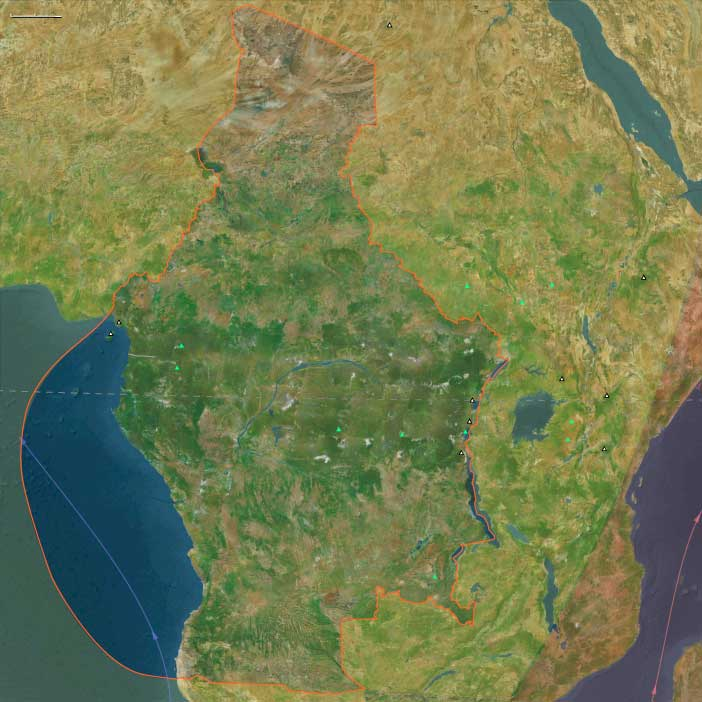
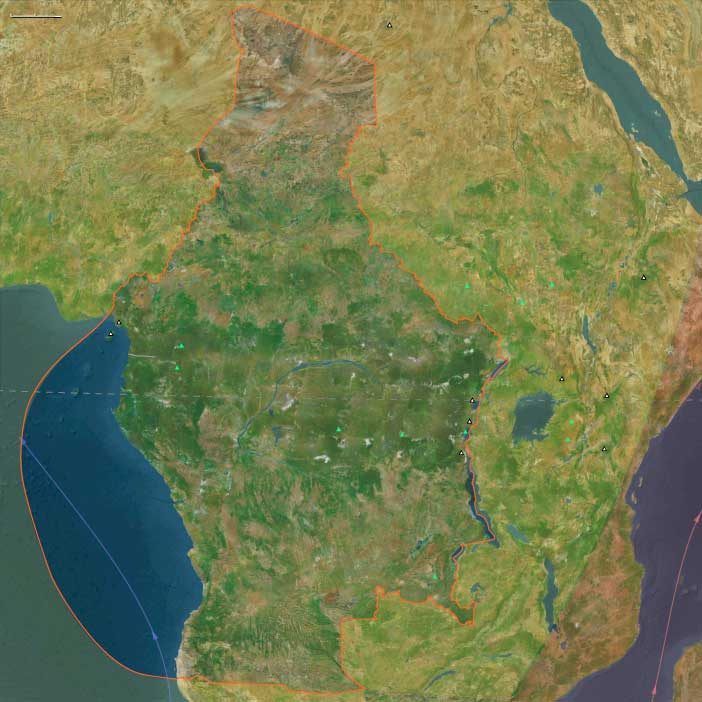
Between 1984 and 1995 CE, Middle Africa—encompassing modern Chad, Cameroon, Central African Republic, Equatorial Guinea, São Tomé and Príncipe, Gabon, Republic of the Congo, Democratic Republic of the Congo (Zaire), and Angola (including Cabinda)—continues to face deep-rooted conflicts, severe economic crises, political turmoil, and initial movements toward democratization, shaped profoundly by Cold War geopolitics and its aftermath.
Persistent Conflicts and Instability
Angola: Intensified Civil War and Failed Peace Efforts
In Angola, the brutal civil war between the Marxist-Leninist MPLA, led by President José Eduardo dos Santos, and the rebel group UNITA, under Jonas Savimbi, persists as a proxy Cold War conflict. International involvement remains significant, with Cuban forces backing the MPLA until their withdrawal in 1989 under the Tripartite Accord, brokered by the United States, the Soviet Union, and Angola. Despite a UN-sponsored peace agreement in 1991 and multiparty elections in 1992, UNITA refuses to recognize its electoral defeat, triggering renewed fighting and deepening humanitarian crises.
Chad: Habré’s Dictatorship and Déby’s Ascendancy
In Chad, President Hissène Habré maintains an oppressive regime supported by Western powers, notably France and the United States, who see him as an anti-Libyan ally. His rule is characterized by widespread human rights abuses, political repression, and brutal campaigns against insurgents. In 1990, however, Habré is overthrown by a rebellion led by his former military advisor, Idriss Déby, who assumes power, promising political reforms that are slow to materialize amid ongoing ethnic tensions and regional conflicts.
Central African Republic: Political Instability and Transition
In the Central African Republic, political turbulence continues after President André Kolingba’s (1981–1993) authoritarian rule is increasingly contested. Economic decline and demands for democratic reform lead to widespread unrest, culminating in multiparty elections in 1993, won by Ange-Félix Patassé. Although this marks the nation's first peaceful transfer of power through elections, underlying ethnic tensions and institutional weaknesses persist, foreshadowing future instability.
Economic Crises and Structural Adjustments
Zaire (Democratic Republic of the Congo): Economic Collapse under Mobutu
In Zaire, President Mobutu Sese Seko’s corrupt kleptocratic regime leads to catastrophic economic collapse. Hyperinflation, infrastructure breakdown, and public service deterioration provoke social unrest. Forced to implement IMF-backed structural adjustment programs in the late 1980s, Mobutu reduces state subsidies and public employment, further impoverishing the populace without significantly curbing elite corruption. Mobutu’s regime remains entrenched, supported by Western powers until the Cold War’s end reduces his geopolitical value.
Gabon and Congo: Oil Wealth and Economic Inequality
In Gabon, President Omar Bongo uses extensive oil revenues to maintain political stability through patronage networks, despite economic shocks due to fluctuating oil prices. Structural adjustment programs imposed by international lenders in the early 1990s reduce public expenditures but do little to curtail corruption, exacerbating inequalities. The Republic of the Congo similarly experiences economic stagnation, structural adjustment, and political instability, with transitions toward multiparty elections marred by ethnic tensions and power struggles.
Equatorial Guinea: Oil Discoveries and Continued Repression
Equatorial Guinea, under President Teodoro Obiang Nguema Mbasogo, remains isolated, impoverished, and authoritarian. The discovery of substantial offshore oil reserves in the early 1990s brings foreign investment and revenue, though benefits are monopolized by the ruling elite, deepening corruption and social disparities. Human rights abuses and political oppression continue largely unchallenged by the international community.
Steps toward Political Liberalization
Cameroon: Biya’s Consolidation amid Demands for Democracy
In Cameroon, President Paul Biya, who succeeds Ahmadou Ahidjo in 1982, maintains authoritarian control through the ruling party (RDPC). Economic hardship due to falling commodity prices and structural adjustments fuels popular demands for democratic reforms, culminating in the legalization of multiparty politics in 1990. Yet, Biya’s regime manipulates electoral processes to maintain power, effectively undermining genuine democratic progress.
São Tomé and Príncipe: Democratic Transition and Stability
The island nation of São Tomé and Príncipe emerges as a rare example of peaceful democratic transition in Middle Africa. After prolonged economic stagnation under socialist policies, constitutional reforms in 1990 lead to peaceful multiparty elections in 1991, marking a significant democratic milestone. Miguel Trovoada becomes the first democratically elected president, setting the stage for relative political stability despite ongoing economic challenges.
Regional Impact of Global Changes
End of the Cold War and Reduced External Intervention
The collapse of the Soviet Union (1991) profoundly affects Middle Africa, reducing the strategic importance of the region and diminishing external military support for factions in Angola, Chad, and Zaire. This geopolitical shift forces regional actors toward peace negotiations, albeit with varying degrees of success. In Angola, however, peace proves elusive, while in Chad and elsewhere, external military and economic backing declines, leading to uncertain political transitions.
Humanitarian Crises and Refugee Flows
Conflicts and economic collapse in countries like Angola, Chad, and Zaire generate massive humanitarian crises, characterized by widespread displacement, refugee flows into neighboring countries, and severe food shortages. International humanitarian intervention intensifies, but resources remain inadequate, exacerbating regional instability and social tensions.
Legacies of Continued Struggle and Fragile Progress
By 1995, Middle Africa remains deeply marked by unresolved conflicts, economic devastation, and fragile political reforms. Although some states, such as São Tomé and Príncipe, manage peaceful democratic transitions, others—including Angola, Chad, and Zaire—remain entrenched in violence or authoritarian rule. Economic hardship continues, deepening poverty and inequality, and setting the stage for continued instability and struggle in subsequent decades.
People
- Ahmadou Ahidjo
- André Kolingba
- Ange-Félix Patassé
- David Dacko
- Hissène Habré
- Idriss Déby
- Jonas Savimbi
- José Eduardo dos Santos
- Miguel Trovoada
- Mobutu Sese Seko
- Omar Bongo
- Paul Biya
- Teodoro Obiang Nguema Mbasogo
Groups
- United States of America (US, USA) (Washington DC)
- Belgium, Kingdom of
- Cuba
- South Africa, Union of (British Dominion)
- Union of Soviet Socialist Republics (USSR), or Soviet Union
- Portugal, (Second) Republic of
- Britain (United Kingdom of Great Britain and Northern Ireland)
- FNLA (National Liberation Front of Angola)
- MPLA (People's Movement for the Liberation of Angola)
- France (French republic); the Fifth Republic
- Cameroon, Republic of
- Chad, Republic of
- Central African Republic
- Congo, Democratic Republic of the
- UNITA (National Union for the Total Independence of Angola)
- Equatorial Guinea, Republic of
- Zaire, Republic of
- Angola, Republic of
- São Tomé and Principe, Democratic Republic of
Topics
Commodoties
Subjects
Regions
Subregions
Related Events
Showing 10 events out of 1617 total
Years: 1984 - 1995
People
- Ahmadou Ahidjo
- André Kolingba
- Ange-Félix Patassé
- David Dacko
- Hissène Habré
- Idriss Déby
- Jonas Savimbi
- José Eduardo dos Santos
- Miguel Trovoada
- Mobutu Sese Seko
- Omar Bongo
- Paul Biya
- Teodoro Obiang Nguema Mbasogo
Groups
- United States of America (US, USA) (Washington DC)
- Belgium, Kingdom of
- Cuba
- South Africa, Union of (British Dominion)
- Union of Soviet Socialist Republics (USSR), or Soviet Union
- Portugal, (Second) Republic of
- Britain (United Kingdom of Great Britain and Northern Ireland)
- FNLA (National Liberation Front of Angola)
- MPLA (People's Movement for the Liberation of Angola)
- France (French republic); the Fifth Republic
- Cameroon, Republic of
- Chad, Republic of
- Central African Republic
- Congo, Democratic Republic of the
- UNITA (National Union for the Total Independence of Angola)
- Equatorial Guinea, Republic of
- Zaire, Republic of
- Angola, Republic of
- São Tomé and Principe, Democratic Republic of
Topics
Commodoties
Subjects
Regions
Subregions