
Middle Africa (1972–1983 CE): Authoritarian Regimes, Resource …
Years: 1972 - 1983
Middle Africa (1972–1983 CE): Authoritarian Regimes, Resource Conflicts, and Regional Instability
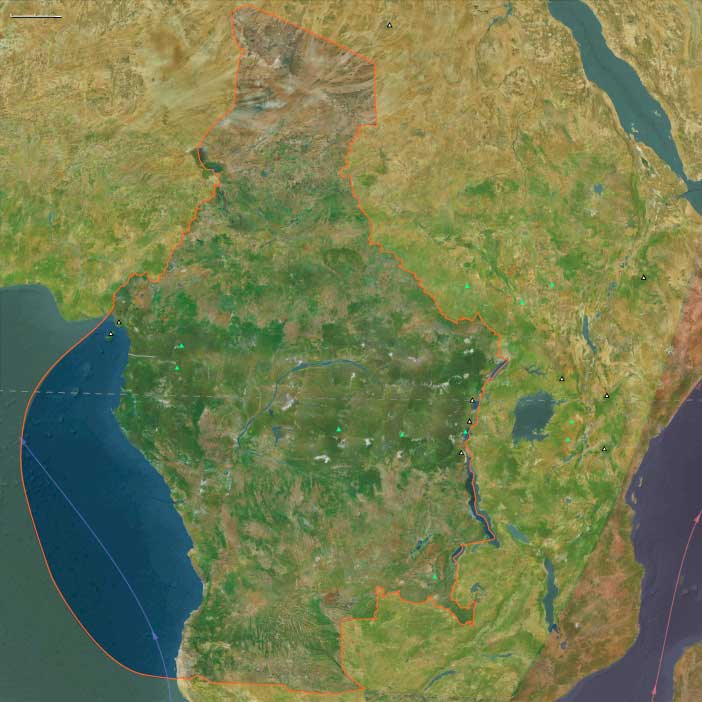
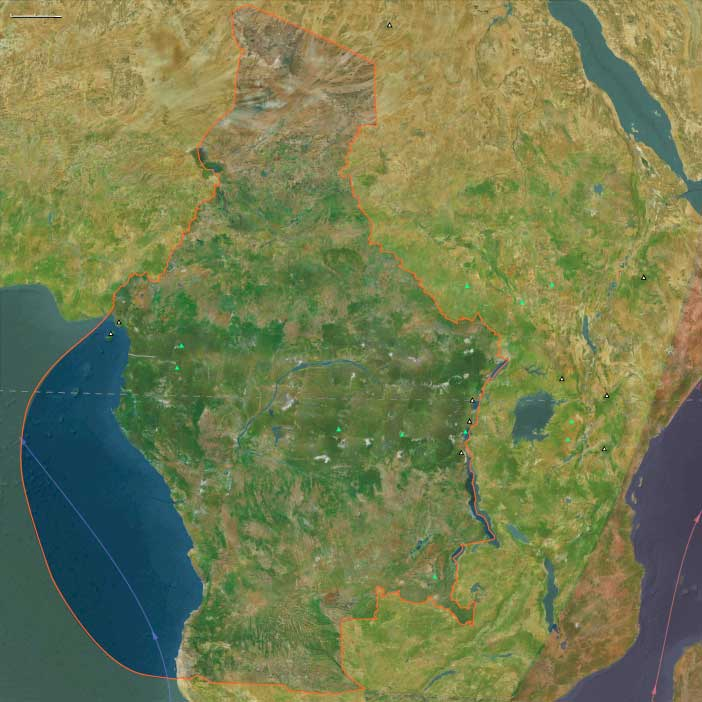
Between 1972 and 1983 CE, Middle Africa—encompassing modern-day Chad, Cameroon, Central African Republic, Equatorial Guinea, São Tomé and Príncipe, Gabon, Republic of the Congo, Democratic Republic of the Congo (Zaire), and Angola (including the Cabinda enclave)—experiences a turbulent decade defined by authoritarian rule, resource-driven conflicts, Cold War geopolitics, and persistent regional instability.
Authoritarian Consolidation and Political Turmoil
Mobutu’s Zaire: Entrenched Kleptocracy
In the Democratic Republic of the Congo, renamed Zaire by President Mobutu Sese Seko (1971), the era witnesses the entrenchment of a corrupt and autocratic regime. Mobutu’s policy of Authenticité intensifies, aiming to erase colonial influences but simultaneously concentrating power, promoting a cult of personality, and facilitating immense corruption. Economic mismanagement and brutal political repression characterize Mobutu’s rule, provoking widespread poverty and discontent.
Angola: Civil War and Cold War Proxy Conflict
In Angola, independence from Portugal (1975) is quickly overshadowed by a violent civil war involving rival nationalist factions: the Soviet-backed MPLA under Agostinho Neto (succeeded by José Eduardo dos Santos in 1979), the US and South African-supported UNITA under Jonas Savimbi, and the FNLA initially supported by the West and Zaire. The war becomes a proxy Cold War battleground, deeply devastating Angolan society, infrastructure, and economy, and intensifying regional instability.
Chad: Escalating Civil War
In Chad, internal divisions erupt into open civil war, driven by ethnic tensions, competition over scarce resources, and political rivalries. President François Tombalbaye is overthrown and killed in a coup (1975). Subsequent instability brings various factions, such as the FROLINAT rebel group and leaders like Goukouni Oueddei and Hissène Habré, into prolonged and violent conflict, severely destabilizing the country.
Equatorial Guinea: The Macías Dictatorship
In Equatorial Guinea, President Francisco Macías Nguema presides over a regime of extreme brutality and repression, becoming one of Africa’s most notorious dictators. In 1979, his nephew Teodoro Obiang Nguema Mbasogo ousts Macías in a bloody coup, but continues authoritarian rule, albeit with marginally reduced brutality. The country remains isolated and economically devastated.
Economic Exploitation and Resource-Driven Conflicts
Gabon and Congo: Oil Wealth and Authoritarianism
In Gabon, President Omar Bongo consolidates power through patronage and repression, funded by burgeoning oil revenues. The country achieves relative economic stability but remains politically repressive. Similarly, in the Republic of the Congo, President Marien Ngouabi rules through a Marxist-Leninist regime until his assassination (1977), leading to a prolonged power struggle. Both countries’ political elites enrich themselves through extensive resource extraction, deepening social inequalities.
São Tomé and Príncipe: Post-Independence Challenges
The small island nation of São Tomé and Príncipe, independent from Portugal since 1975, faces substantial economic hardships, struggling to transition from a plantation economy dependent on cocoa. The early post-independence government under President Manuel Pinto da Costa pursues socialist policies but soon faces severe economic difficulties, forcing increased dependence on foreign aid.
Cameroon and Central African Republic: Relative Stability and Instability
Cameroon: Authoritarian Stability under Ahidjo
In Cameroon, President Ahmadou Ahidjo maintains relative political stability through a repressive one-party state. Economic growth, largely based on agricultural exports and oil revenues, ensures a degree of social stability. However, internal tensions simmer, exacerbated by regional disparities and authoritarian governance.
Central African Republic: Bokassa’s Brutal Empire
In the Central African Republic, President Jean-Bédel Bokassa declares himself emperor (Bokassa I) in 1976, presiding over a grotesquely oppressive and extravagant regime. His brutal rule and the infamous coronation ceremony (1977) symbolize the excesses of African authoritarianism. In 1979, France intervenes militarily, restoring former President David Dacko to power, though instability persists.
Regional and International Dynamics
Cold War Rivalries and International Intervention
Throughout the region, Cold War geopolitics heavily influence internal conflicts. In Angola, Soviet and Cuban support propels the MPLA, while the US and apartheid South Africa back UNITA, turning the civil war into a prolonged international proxy conflict. Similarly, French interventions shape outcomes in Chad and Central Africa, reflecting continuing neo-colonial interests.
Economic Dependence and Underdevelopment
Economic reliance on extractive industries—especially oil, diamonds, and timber—deepens dependency on foreign capital, exacerbating corruption and inequality. Infrastructure remains neglected, and widespread poverty contrasts starkly with the immense wealth accumulated by political elites.
Legacies of Conflict and Authoritarianism
By the end of the era (1983), Middle Africa remains profoundly marked by authoritarianism, deep-rooted poverty, and ongoing conflicts. The region’s considerable resource wealth fails to translate into widespread prosperity, with corrupt governance structures entrenching socio-economic inequalities. The enduring instability sets the stage for future political turbulence, social unrest, and continuous struggles for effective governance and sustainable development.
People
- Agostinho Neto
- Ahmadou Ahidjo
- David Dacko
- Francisco Macías Nguema
- François Tombalbaye
- Goukouni Oueddei
- Hissène Habré
- Jean-Bédel Bokassa
- Jonas Savimbi
- José Eduardo dos Santos
- Léon M'ba
- Manuel Pinto da Costa
- Marien Ngouabi
- Mobutu Sese Seko
- Omar Bongo
- Teodoro Obiang Nguema Mbasogo
Groups
- Portuguese Empire
- São Tomé and Príncipe, Portuguese
- Spanish Empire
- Spanish Guinea
- United States of America (US, USA) (Washington DC)
- Belgium, Kingdom of
- Portuguese West Africa (Angola)
- Cuba
- South Africa, Union of (British Dominion)
- Union of Soviet Socialist Republics (USSR), or Soviet Union
- Portugal, (Second) Republic of
- Britain (United Kingdom of Great Britain and Northern Ireland)
- Spain, Franconian Regency of (Spanish State)
- FNLA (National Liberation Front of Angola)
- MPLA (People's Movement for the Liberation of Angola)
- France (French republic); the Fifth Republic
- Cameroon, Republic of
- Chad, Republic of
- Central African Republic
- South Africa, Republic of
- Congo, Democratic Republic of the
- UNITA (National Union for the Total Independence of Angola)
- Equatorial Guinea, Republic of
- Zaire, Republic of
- Angola, Republic of
- São Tomé and Principe, Democratic Republic of
Topics
Commodoties
Subjects
Regions
Subregions
Years: 1972 - 1983
People
- Agostinho Neto
- Ahmadou Ahidjo
- David Dacko
- Francisco Macías Nguema
- François Tombalbaye
- Goukouni Oueddei
- Hissène Habré
- Jean-Bédel Bokassa
- Jonas Savimbi
- José Eduardo dos Santos
- Léon M'ba
- Manuel Pinto da Costa
- Marien Ngouabi
- Mobutu Sese Seko
- Omar Bongo
- Teodoro Obiang Nguema Mbasogo
Groups
- Portuguese Empire
- São Tomé and Príncipe, Portuguese
- Spanish Empire
- Spanish Guinea
- United States of America (US, USA) (Washington DC)
- Belgium, Kingdom of
- Portuguese West Africa (Angola)
- Cuba
- South Africa, Union of (British Dominion)
- Union of Soviet Socialist Republics (USSR), or Soviet Union
- Portugal, (Second) Republic of
- Britain (United Kingdom of Great Britain and Northern Ireland)
- Spain, Franconian Regency of (Spanish State)
- FNLA (National Liberation Front of Angola)
- MPLA (People's Movement for the Liberation of Angola)
- France (French republic); the Fifth Republic
- Cameroon, Republic of
- Chad, Republic of
- Central African Republic
- South Africa, Republic of
- Congo, Democratic Republic of the
- UNITA (National Union for the Total Independence of Angola)
- Equatorial Guinea, Republic of
- Zaire, Republic of
- Angola, Republic of
- São Tomé and Principe, Democratic Republic of
Topics
Commodoties
Subjects
Regions
Subregions