
Filters:
A group of thirty music professionals had …
Years: 1813 - 1813
March
A group of thirty music professionals had formed the Philharmonic Society of London on February 6, 1813, at a time when there are no permanent London orchestras, nor organized series of chamber music concerts.
The idea is that by cooperating, they can build a stronger orchestra than by competing against one another.
However, given the organization's choice to hold its concerts at the Argyll Rooms, it is likely that the society had been initiated because of John Nash's bold urban redesign of Regent Street.
In this way, the society will gain an impressive performing space once the old Argyll Rooms have to be rebuilt due to the Regent Street plan, and the Prince regent (the future George IV) can promote classical music as a British institution and thereby improve his reputation.
Concerts will be held in the Argyll Rooms until it burns down in 1830.
The Society's aim is "to promote the performance, in the most perfect manner possible of the best and most approved instrumental music".
The first concert, on March 8, 1813, is presided over by Johann Peter Salomon, with Muzio Clementi at the piano and the violin prodigy Nicolas Mori as lead violinist, performing symphonies by Joseph Haydn and Ludwig van Beethoven.
Among the founders are the pianist and violinist William Dance (who beomes the society's first director and treasurer until his death in 1840), composer Henry Bishop, and Charles Neate, a pianist and friend of Beethoven, who will publicize Beethoven's music at the Society.
The idea is that by cooperating, they can build a stronger orchestra than by competing against one another.
However, given the organization's choice to hold its concerts at the Argyll Rooms, it is likely that the society had been initiated because of John Nash's bold urban redesign of Regent Street.
In this way, the society will gain an impressive performing space once the old Argyll Rooms have to be rebuilt due to the Regent Street plan, and the Prince regent (the future George IV) can promote classical music as a British institution and thereby improve his reputation.
Concerts will be held in the Argyll Rooms until it burns down in 1830.
The Society's aim is "to promote the performance, in the most perfect manner possible of the best and most approved instrumental music".
The first concert, on March 8, 1813, is presided over by Johann Peter Salomon, with Muzio Clementi at the piano and the violin prodigy Nicolas Mori as lead violinist, performing symphonies by Joseph Haydn and Ludwig van Beethoven.
Among the founders are the pianist and violinist William Dance (who beomes the society's first director and treasurer until his death in 1840), composer Henry Bishop, and Charles Neate, a pianist and friend of Beethoven, who will publicize Beethoven's music at the Society.
Locations
People
Groups
Topics
Subjects
Regions
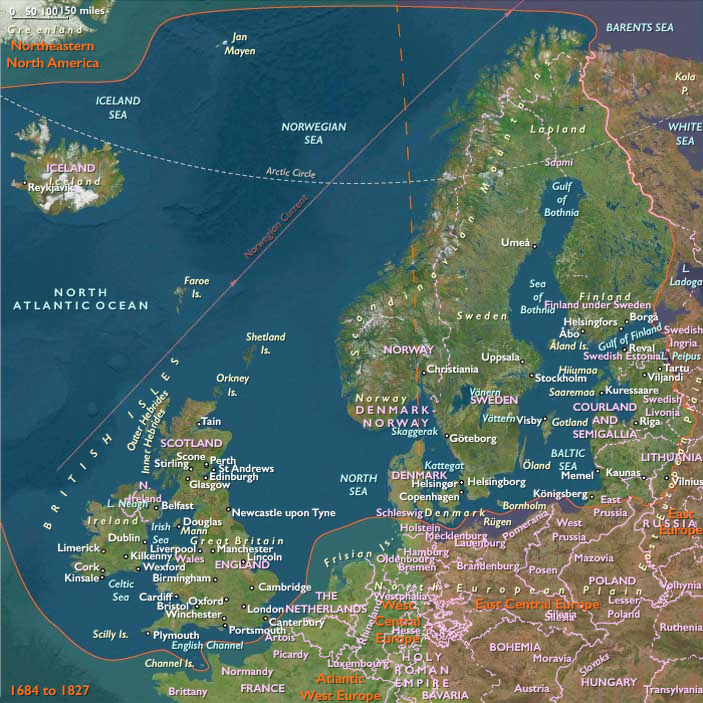
Subregions

Years: 1813 - 1813
March
Locations
People
Groups
Topics
Subjects
Regions
Subregions